If you own or manage a building in New York City that’s taller than six stories, you’ve probably heard the term “Local Law 11” tossed around. Maybe your property manager mentioned it, or you got a notice from the city. Either way, it’s not something you want to ignore.
Local Law 11 is a facade safety rule that the city takes very seriously, and skipping it can cost you thousands of dollars in fines. In this guide, we’ll break down exactly what Local Law 11 means, who has to follow it, and how to stay on the right side of the law without the stress.
What Local Law 11 Actually Means for Your Building
Local Law 11 is a New York City rule that requires regular inspections of a building’s exterior walls, or facade. It’s also known by another name: the Facade Inspection Safety Program, or FISP for short. The New York City Department of Buildings (DOB) created this program to make sure building exteriors stay safe for everyone walking by.
The idea behind Local Law 11 is simple. Old bricks, loose stones, and crumbling concrete can fall off a building and hurt someone on the sidewalk below. This law forces owners to catch those problems early, before they turn into a real danger.
Local Law 11 covers more than just walls. Inspectors also check things like:
- Balconies, railings, and guardrails
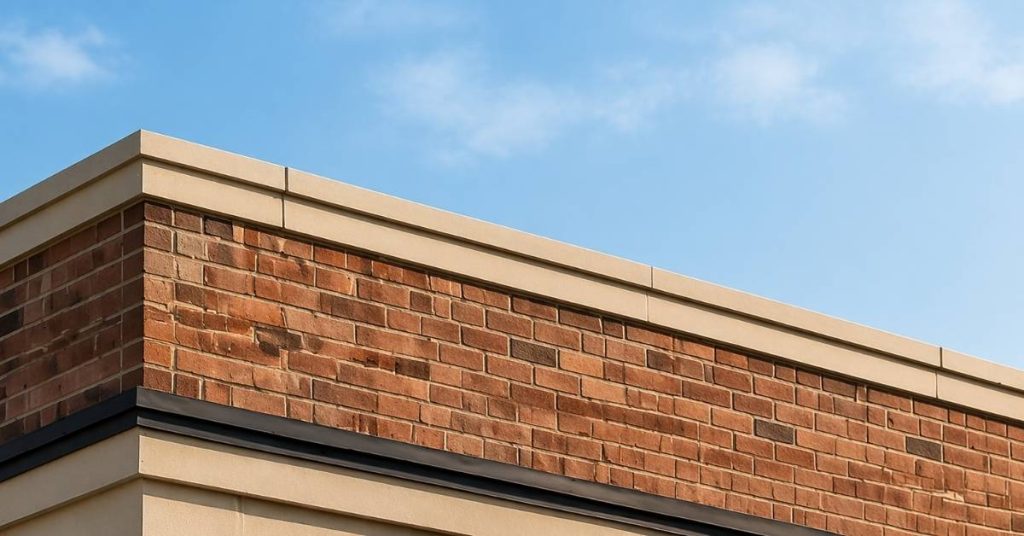
- Parapets and cornices
- Fire escapes
- Window frames and ledges
- Signs, lights, and AC units attached to the building
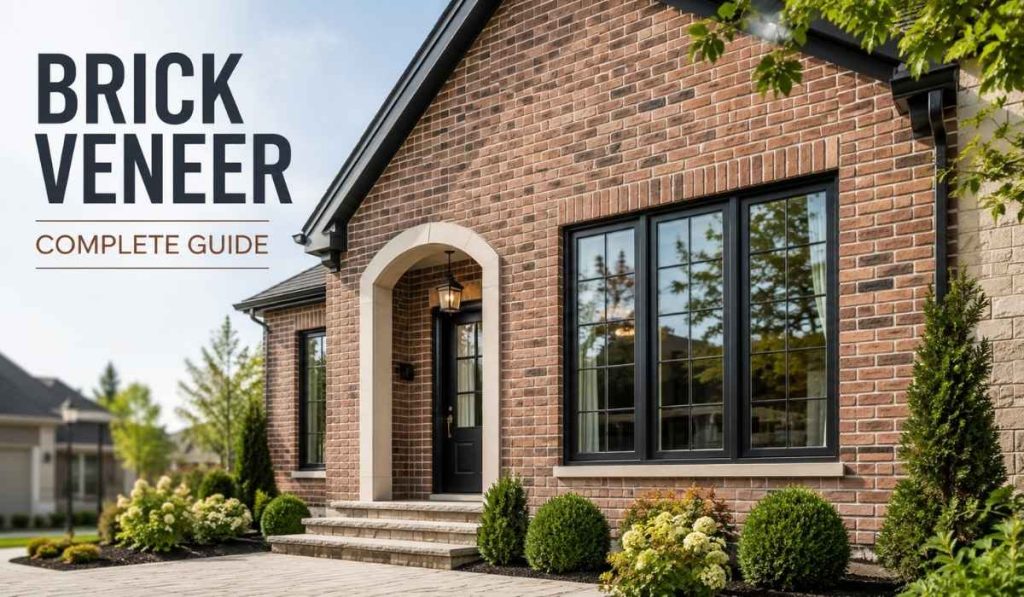
- Stone, brick, metal, and other exterior materials
An inspector gets up close to look at these parts, often using scaffolding, ropes, or drones to reach higher spots.
Does Your Building Need to Comply?
Not every building in NYC is required to comply. Here’s how to know if your property falls under this rule.
Your building needs a Local Law 11 inspection if it:
- Stands taller than six stories
- Sits anywhere in one of the five boroughs (Manhattan, Brooklyn, Queens, the Bronx, or Staten Island)
- Has an exterior wall or attached features like balconies or fire escapes
- Is used for housing, business, or a mix of both
Your building may be exempt if it:
- Has six stories or fewer (though the DOB can still step in if the facade looks unsafe)
- Is built almost entirely from certain lightweight materials, depending on DOB review
If you’re not sure whether your property qualifies, it’s worth checking with a professional rather than guessing.
Finding the Right QEWI for Your Inspection
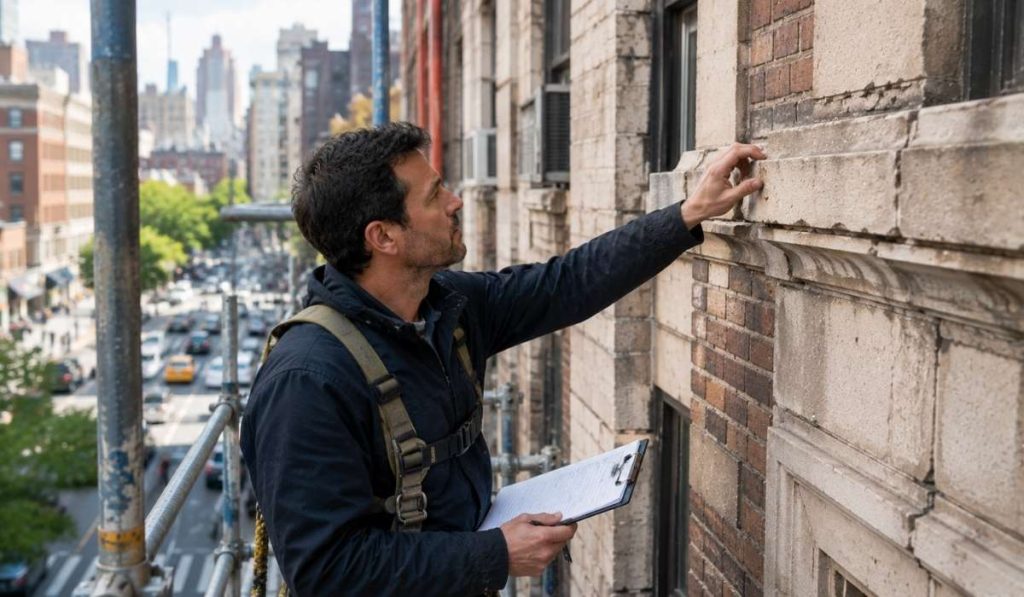
You can’t just hire any contractor to check your facade. Local Law 11 requires the inspection to be done by a Qualified Exterior Wall Inspector, commonly called a QEWI.
A QEWI is either a licensed architect or a licensed engineer in New York State who has been approved by the DOB specifically for facade work. They’re the only people allowed to sign off on your inspection report.
Working with a real QEWI matters because they know how to spot hidden problems, follow DOB paperwork rules correctly, and avoid mistakes that could delay your filing or trigger extra fines. Before hiring one, it’s smart to ask for references, confirm their license status with the DOB, and make sure they carry proper insurance.
When Your Next Inspection Is Due
Local Law 11 inspections happen once every five years. The city splits buildings into groups called sub-cycles, labeled A, B, and C, based on the last digit of the building’s block number. This spreads out the workload so the DOB isn’t flooded with reports all at once.
Right now, the city is in what’s known as Cycle 10, which runs from 2025 through 2029. Once this cycle wraps up, Cycle 11 will begin with its own updated rules.
Two filing deadlines matter most:
- You have one year after your up-close inspection to submit the full report
- The QEWI has 60 days after the physical inspection to finish the critical exam portion
Missing these windows can put you into non-compliance, even if the inspection itself already happened.
Is Local Law 11 Mandatory?
No. This is not optional, and there’s no way around it. Even if your facade looks perfectly fine from the ground, the law still requires a hands-on inspection by a QEWI. If access is limited for some reason, like a blocked area or a tenant issue, that has to be written into the report and dealt with quickly. Owners who repeatedly avoid inspections can expect the DOB to escalate enforcement.
What It’ll Cost You If You Wait
Ignoring Local Law 11 gets expensive fast. The DOB doesn’t go easy on buildings that miss their deadlines.
Money penalties can include:
- A $1,000 fine every month the report isn’t filed
- A separate late fee on top of that
- Extra fines if unsafe conditions are found and nothing is done to protect the public
- Fines that keep growing the longer you wait
Beyond the fines, you could also face:
- A mandatory sidewalk shed installed at your own cost
- Stop-work orders on any other construction happening at the property
- Higher insurance premiums
- Trouble selling or refinancing the building until the issue is resolved
Basically, the longer you put it off, the more painful and costly it gets.
Don’t risk the fines. Royal Empire Builder helps NYC building owners handle facade inspections, repairs, and Local Law 11 filings from start to finish. Contact us today for a free consultation.
What Your Facade Rating Really Means
After the inspection, the QEWI gives your building one of three ratings. This rating tells you exactly what needs to happen next.
Safe
Safe means no real problems were found. Your facade is in good shape, and normal upkeep is all that’s needed until the next cycle.
Safe With a Repair and Maintenance Program
Safe With a Repair and Maintenance Program, often shortened to SWARMP, means there are issues, but nothing dangerous right now. You’ll need to fix them within a set timeframe, and depending on severity, some temporary protective steps might be required in the meantime.
Unsafe
Unsafe means the DOB considers the condition an active danger to people below. This rating requires immediate action.
If Your Building Gets Rated Unsafe, Here’s What Happens
An unsafe rating sets off a chain of required steps:
- Protective measures go up right away, such as netting, sealing loose material, or removing anything that could fall
- The QEWI must notify the DOB, and the owner then has 30 days to make repairs
- Once repairs are finished, the QEWI comes back within two weeks to re-check the work and file an updated report, usually changing the status to SWARMP
- If more time is needed, extension forms can be filed every 90 days
- Sidewalk sheds can be partially taken down as conditions improve
- Once the DOB confirms everything checks out, the building’s status finally moves to Safe
So, How Much Will This Cost You?
Costs vary quite a bit depending on your building’s size, age, materials, and how much repair work is actually needed. A straightforward inspection with no major issues will cost far less than a case involving unsafe conditions, sidewalk sheds, and structural repairs. Getting ahead of small problems before they grow is almost always cheaper than waiting until the DOB forces your hand.
A Little Planning Goes a Long Way
The smartest approach to Local Law 11 compliance is to not wait until the deadline is staring you down. Regular facade checkups, quick repairs on small issues, and keeping good maintenance records all make your next inspection cycle smoother and cheaper.
We’ve Got Your Local Law 11 Compliance Covered
If you own a building in NYC and need help with facade inspections, repairs, or general Local Law 11 compliance, Royal Empire Builder works across all five boroughs to keep your property safe, code-compliant, and worry-free. From masonry repairs to full exterior restoration, our team handles the work so you don’t have to navigate the DOB process alone.
Ready to get compliant? Call us today or request a free facade inspection quote — we’ll walk your building through every step of Local Law 11, from inspection to final DOB sign-off.
Frequently Asked Questions About Local Law 11
1. What is Local Law 11 in NYC?
Local Law 11 is a New York City facade safety requirement that requires regular inspections of the exterior walls and certain exterior features of buildings. It is also known as the Facade Inspection Safety Program (FISP). The goal is to identify unsafe facade conditions, such as loose bricks, deteriorating concrete, or damaged exterior elements, before they become a danger to people below.
2. Which buildings need to comply with Local Law 11?
Generally, buildings in New York City that are taller than six stories are required to comply with Local Law 11. The requirement applies across all five boroughs and can cover residential, commercial, and mixed-use properties. If you’re unsure whether your building falls under the program, a qualified professional can help determine your property’s requirements.
3. Who can perform a Local Law 11 inspection?
A Local Law 11 inspection must be performed by a Qualified Exterior Wall Inspector, or QEWI. A QEWI is a qualified New York State licensed architect or engineer who is approved to perform facade inspections and submit the required report to the NYC Department of Buildings. A regular contractor cannot simply perform and sign off on the required inspection.
4. What are the penalties for not complying with Local Law 11?
Failing to comply with Local Law 11 can result in significant financial penalties. Your building may face monthly fines for failing to file the required report, along with additional penalties for late filings or unsafe facade conditions. Owners may also face other costs, such as protective measures, sidewalk sheds, and required facade repairs. The longer compliance is delayed, the more expensive the problem can become.
5. What happens if a building receives an Unsafe rating?
An Unsafe rating means the facade has conditions that may pose an immediate danger to people below. The owner must take protective measures to secure the area and arrange for the necessary repairs. Once the repairs are completed, the QEWI must inspect the work and submit the required updated documentation. The building’s facade status can then be updated once the required conditions have been addressed.
Need Help with Your Next Project? Call Royal Empire Builder Today!
Fast responses. Expert advice. Trusted service across NYC and beyond.