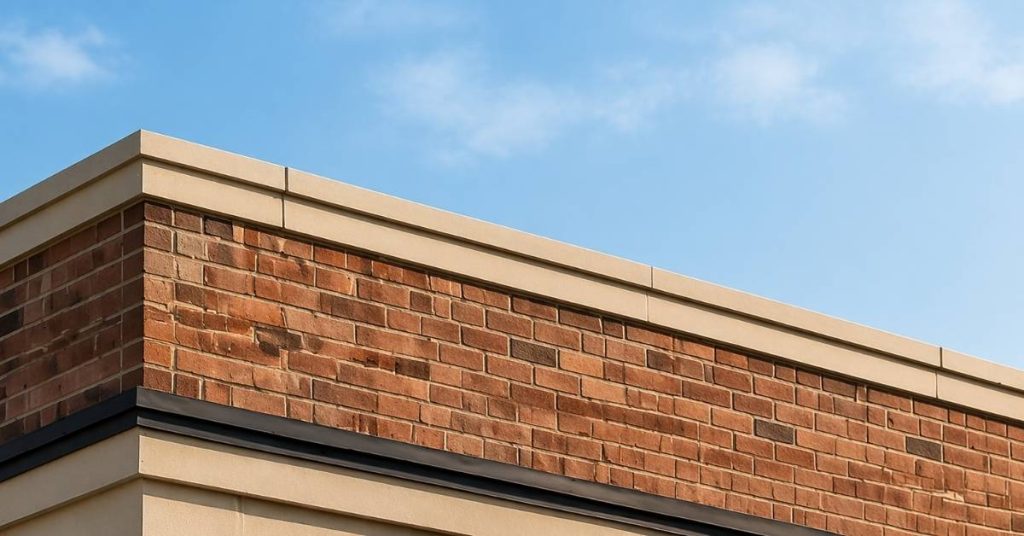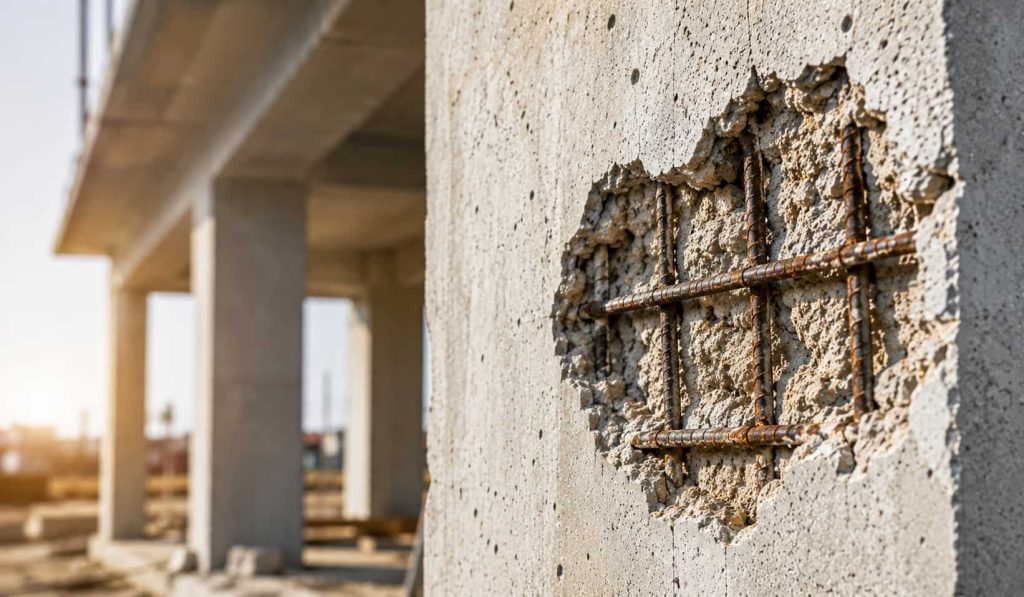
Brick has always been one of the most sought-after exterior finishes in New York City — you’ll see it on Brooklyn brownstones, Queens two-families, and Staten Island homes alike. But a lot of that classic brick look you see today isn’t a full masonry wall. It’s brick veneer: a thin layer of brick attached to the outside of a building instead of a solid, load-bearing wall.
The framing behind the wall carries the structural weight, not the brick itself. That’s what makes veneer such a practical choice for older NYC homes needing a facade update, and for new construction where budget and build time matter.
In this guide, you’ll learn:
- What brick veneer actually is
- The pros and cons before you commit
- What it costs to install in NYC
- How installation works, step by step
- How to maintain it so it lasts
- How it compares to solid brick
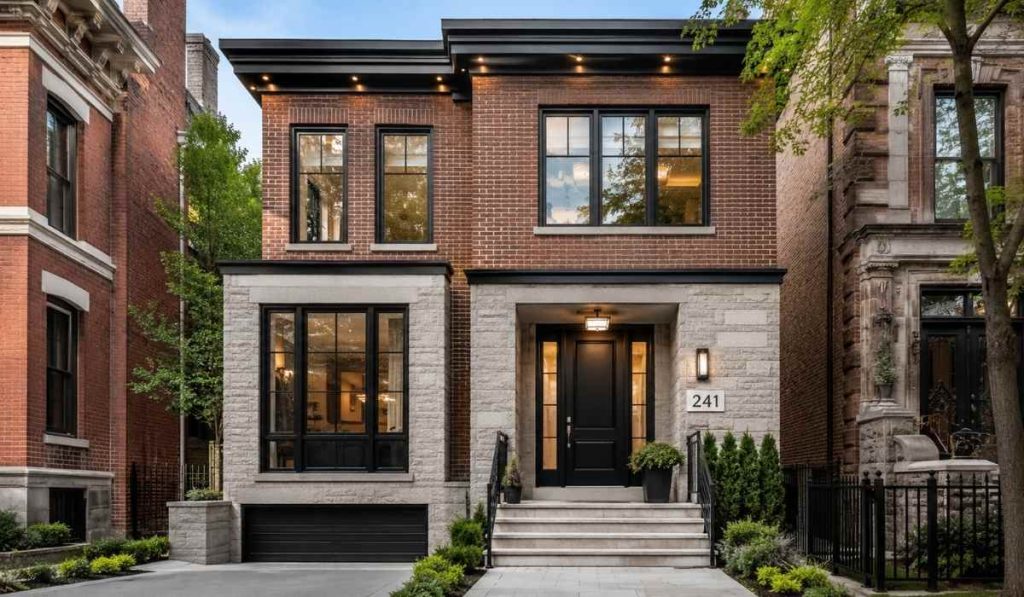
What Is Brick Veneer?
Brick veneer is a non-structural layer of brick installed on the outside of a building. It doesn’t hold up any weight — the wood, steel, or concrete framing behind it does that job. The brick is purely for looks and weather protection.
In NYC, contractors install veneer over wood framing, concrete walls, and steel framing alike, which is why it works on everything from a Staten Island single-family home to a Manhattan mid-rise.
A properly built veneer wall includes a moisture barrier, a 1-inch air gap behind the brick, metal ties spaced roughly every 2.67 sq. ft., and weep holes every 24 inches above the flashing to let moisture drain out. Skip these details and you’re looking at water damage down the line — which is why correct installation matters as much as the brick itself.
Types of Brick Veneer
There are several types of veneer systems available today. Each option offers different benefits depending on the project style and budget.
Thin Brick Veneer
This is exactly what it sounds like — brick cut into thin slices instead of full-size units. It’s a favorite for fireplace surrounds, accent walls, and full exterior facades because it’s lighter and faster to install than standard brick. A lot of Brooklyn and Queens homeowners choose thin brick veneer specifically for remodels where the existing wall can’t handle the extra weight of full brick.
Brick Veneer Panels
These come pre-made in large sections, which speeds up installation significantly compared to laying individual bricks. For bigger exterior renovation jobs — think full facade replacements or multi-unit buildings — panels cut down labor time and cost while still giving a clean, consistent brick appearance. This is often the go-to option for commercial projects and larger residential jobs across the boroughs.
Stone and Brick Veneer
Some homeowners mix stone and brick finishes for a more custom, upscale look. This combination shows up a lot in Manhattan townhouse renovations and higher-end Staten Island builds, where the goal is a premium facade that stands out. It adds texture and depth that a single-material wall doesn’t have.
Each type fits a different budget and project scope — thin brick for lightweight remodels, panels for speed and scale, stone-and-brick combos for a custom high-end finish.
Advantages of Brick Veneer
Benefits of Brick Veneer
It Looks Like the Real Thing
Whether you go with classic red brick or a modern gray tone, veneer gives your home that same premium, established look as solid brick. Buyers tend to see brick exteriors as more durable and higher-value than siding or stucco — which matters if you’re planning to sell down the line.
Lower Cost Than Solid Brick
Solid masonry construction needs more material, more labor, and stronger structural support to carry the weight. Veneer skips all of that. You get the same visual impact for a fraction of the price, which is a big part of why it’s such a common choice for exterior renovation budgets in NYC.
Faster to Install
Because veneer doesn’t require building a full structural wall, crews can complete the job much faster than traditional brick construction. In a city where construction permits, street access, and scaffolding costs add up fast, shaving time off a project directly saves money — especially in busy neighborhoods across Brooklyn and Queens where scheduling around traffic and parking is its own challenge.
Better Insulation
The air gap and insulation built into a proper veneer system help regulate indoor temperature year-round. That means less heat loss in the winter, less strain on your AC in the summer, and a lower energy bill overall — a real advantage during NYC’s freezing winters and humid summers.
Lighter on the Structure
Full brick walls are heavy and often need reinforced foundations to support them. Veneer weighs significantly less, which makes it a much easier fit for home additions, multi-story buildings, and older houses across the Bronx and Staten Island that weren’t built to carry extra structural load.
Holds Up in NYC Weather
When installed correctly, brick veneer handles rain, snow, humidity, and NYC’s freeze-thaw cycles better than most siding materials. That durability is exactly why it’s such a common choice for facades that need to survive harsh winters without cracking or warping.
Brick Veneer Cost
Cost is usually the first question homeowners ask, and it depends on a few factors: the type of veneer, wall size, design complexity, and how accessible the property is for crews to work on.
Labor tends to run higher in NYC than other areas because most projects require permits, scaffolding, and sometimes street closures or parking coordination — especially in denser neighborhoods across Brooklyn and Manhattan. Skilled masons in the city typically charge somewhere in the $60–$100+ per hour range, so the type of veneer you choose has a real impact on your total labor cost.
Here’s a general breakdown by type:
| Project Type | Estimated Cost |
|---|---|
| Thin brick veneer | $8–$15 per sq. ft. |
| Standard veneer system | $10–$25 per sq. ft. |
| Custom stone and brick veneer | $18–$35 per sq. ft. |
Choosing a faster-installing option like brick veneer panels can help bring total costs down, since less labor time means lower overall project cost — a big factor if you’re working with a tighter renovation budget.
Larger exterior renovations, custom architectural details, or projects with difficult site access (common in tighter NYC lots) can push costs toward the higher end of these ranges.
Brick Veneer Installation Process
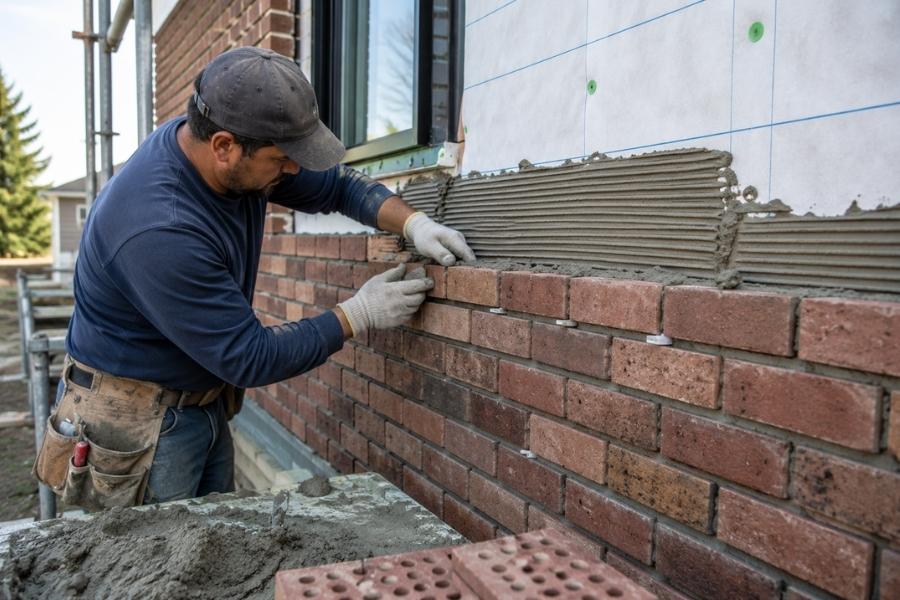
Installation is where the quality of your brick veneer really gets decided. Done right, it’ll hold up for decades. Done wrong, you’ll deal with cracking, moisture damage, and loose brick within a few years.
Here’s how a proper installation works, step by step:
Surface Preparation
The crew begins by inspecting the existing framing and wall surface for damage, uneven areas, or weak materials. The surface is then cleaned, repaired, and leveled so it can properly support the moisture barrier, anchors, and brick veneer system.
Moisture Barrier Installation
A weather-resistant moisture barrier is installed over the prepared wall to protect the structural framing from water. This layer helps stop rain and moisture from reaching the materials behind the brick, reducing the risk of rot, mold, and interior water damage.
Air Gap Creation
Installers leave an air gap of at least one inch between the brick veneer and the structural wall. This space allows moisture to drain downward and air to move behind the brick. Without a proper air gap, water can remain trapped and slowly damage the framing, insulation, and interior wall materials.
Brick Placement
The brick veneer is installed with mortar and secured to the structural wall using metal ties. These ties are commonly spaced according to local building codes and project requirements. Weep holes are also installed above the flashing, usually at regular intervals, so any moisture behind the brick can drain safely out of the wall.
Final Sealing and Cleanup
After the bricks are installed, the mortar joints and surrounding connections are inspected and completed. The work area is cleaned, loose mortar is removed, and the entire wall is checked for proper alignment, drainage, flashing, and secure attachment before the project is approved.
Why This Process Matters
Many common brick veneer problems, including cracked mortar, loose bricks, water stains, and mold, are caused by poor installation or missing moisture-control details. An incorrect air gap, damaged flashing, or blocked weep holes can trap water behind the brick, and the damage may remain hidden for months or even years.
This is why brick veneer installation should be handled by an experienced masonry contractor. Proper installation helps the wall drain, dry, and remain secure through changing weather conditions. Regular inspections of the mortar joints, flashing, and weep holes are also important, especially after harsh NYC winters, because early repairs can prevent larger and more expensive problems.
Is Brick Veneer Worth It?
FFor most NYC homeowners, yes. Brick veneer gives you the same classic, high-value look as solid brick, at a lower cost and with a much faster installation timeline. The one thing that determines whether it holds up for decades or causes problems down the line is installation quality — which is why choosing an experienced local mason matters more than the material itself.
If you’re weighing brick veneer against other exterior options, the short answer is this: it’s one of the most cost-effective ways to upgrade curb appeal on an NYC home without a full masonry rebuild.
FAQs
How Much Does Brick Veneer Cost in NYC?
Brick veneer usually costs $8 to $35 per square foot in NYC. Thin brick costs less, while custom designs, scaffolding, permits, and difficult access can raise the final price.
What Are the Benefits of Brick Veneer?
Brick veneer costs less than solid brick, installs faster, adds less weight, and requires little maintenance. It also gives homes the classic look of brick and performs well in NYC weather.
How Long Does Brick Veneer Installation Take?
Installation time depends on the size of the wall, site access, weather, and the type of veneer. Small projects may take a few days, while full exterior work can take several weeks.
Is Brick Veneer as Durable as Solid Brick?
Yes, brick veneer can last for decades when installed correctly. Proper flashing, drainage, wall ties, and weep holes help protect it from moisture and weather damage.
Do I Need a Permit to Install Brick Veneer in NYC?
Many exterior brick veneer projects in NYC require permits. A licensed contractor can review the project and handle the required approvals.
Need Help with Your Next Project? Call Royal Empire Builder Today!
Fast responses. Expert advice. Trusted service across NYC and beyond.