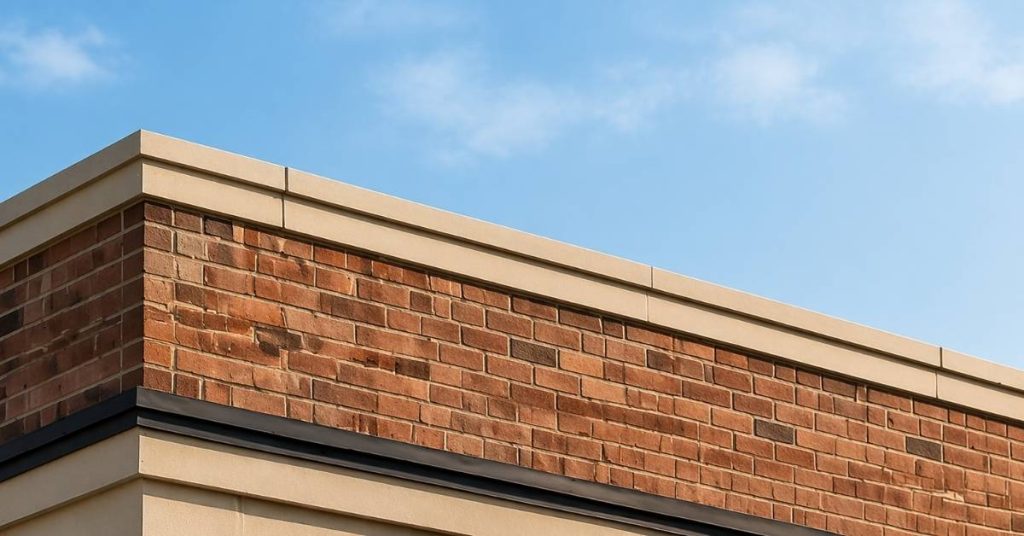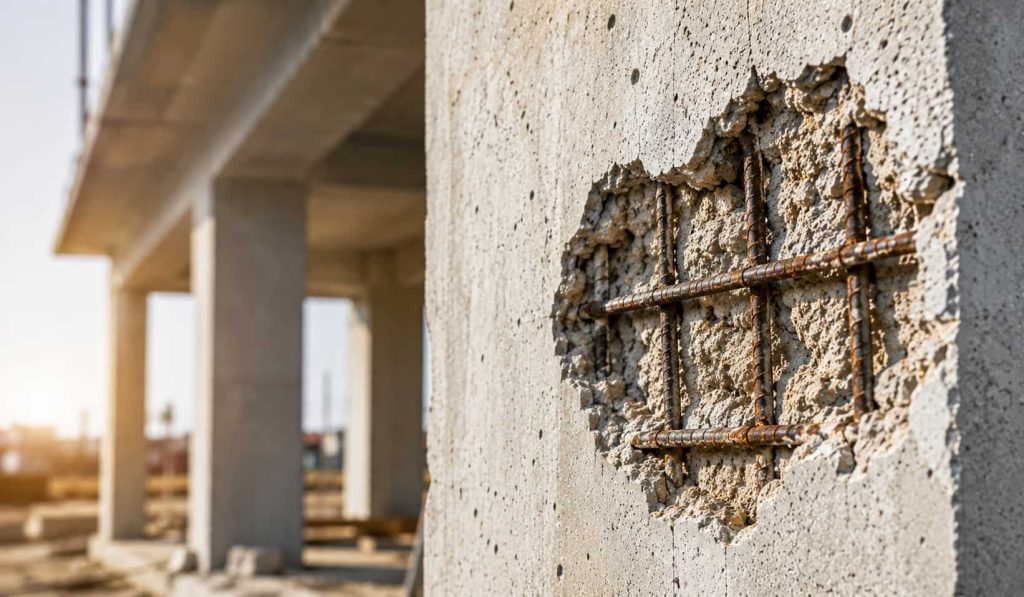
Concrete is known for its strength and durability, but over time, even the toughest surfaces can develop cracks. Whether it’s your driveway, foundation, floor, or patio, these surfaces often require proper maintenance and occasional concrete repair solutions. That’s why concrete crack repair is not just a maintenance task—it’s a necessary step to protect your property.
Many homeowners assume cracks are only caused by age, but in reality, several factors contribute to this issue. From temperature changes to water damage, these small imperfections can quickly grow into serious structural concerns if left untreated.
In this guide, we’ll walk you through everything you need to know about concrete crack repair, including causes, types, repair methods, costs, and prevention tips. Whether you’re dealing with a concrete floor crack repair or a larger structural issue, this guide will help you make the right decision.
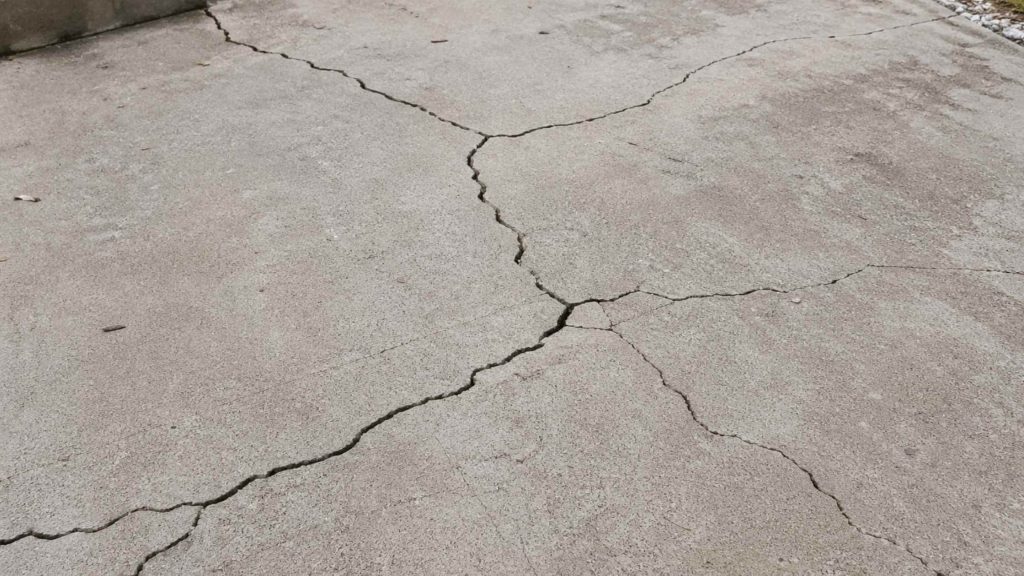
What Causes Cracks in Concrete?
Understanding why cracks occur is the first step toward effective concrete crack repair. Concrete may seem solid, but it constantly reacts to environmental and structural changes.
Here are the most common causes:
- Shrinkage: As concrete dries, it naturally shrinks, leading to small cracks
- Temperature Changes: Expansion and contraction due to weather can stress the surface
- Poor Installation: Improper mixing or curing can weaken the structure
- Heavy Loads: Excessive weight can cause stress cracks
- Water Damage: Moisture can erode the base and create cracks
Knowing these causes helps you choose the right concrete repair methods and avoid future damage.
Types of Concrete Cracks You Should Know
Not all cracks are the same. Identifying the type of crack is essential before starting any concrete crack repair.
Hairline Cracks
These are thin, surface-level cracks often caused by shrinkage. They are usually harmless but should still be sealed to prevent water intrusion.
Structural Cracks
These are deeper and more serious. If you notice wide or growing cracks, immediate foundation crack repair may be required.
Settlement Cracks
These occur when the ground beneath the concrete shifts. Common in driveways and patios, they often require professional driveway crack repair.
Expansion Cracks
Caused by temperature changes, these cracks appear when concrete expands without enough space to move.
Each type requires a slightly different concrete crack repair approach, so proper inspection is key.
Signs You Need Immediate Concrete Crack Repair
Cracks in concrete are not always harmless. Some warning signs indicate that the issue needs immediate attention.
Here are key signs to watch:
- Cracks wider than 1/4 inch
- Uneven or sinking concrete surfaces
- Water seeping through cracks
- Cracks that continue to grow over time
- Multiple cracks forming in the same area
If you notice any of these issues, delaying repairs can lead to more serious structural damage.. In such cases, especially with concrete wall crack repair or foundation cracks, professional inspection is highly recommended.
Why Concrete Crack Repair is Important
Ignoring cracks might seem harmless, but it can lead to serious consequences over time. Proper concrete repair ensures both safety and durability..
Here’s why it matters:
- Prevents Water Damage: Cracks allow water to seep in, weakening the structure
- Improves Safety: Uneven surfaces can cause trips and falls
- Protects Structural Integrity: Especially important for concrete wall crack repair and foundations
- Maintains Property Value: Well-maintained concrete boosts curb appeal
Timely concrete crack repair can save you from costly repairs in the future.
How to Repair Concrete Cracks (Step-by-Step Guide)
If you’re wondering how to repair concrete cracks, here’s a simple and effective process you can follow.
Step 1: Clean the Crack
Remove dirt, debris, and loose particles using a brush or pressure washer. A clean surface ensures better bonding during the repair process.
Step 2: Choose the Right Material
Selecting the correct filler is crucial. For minor cracks, a basic concrete crack filler works well. For deeper cracks, epoxy or polyurethane is recommended.
Step 3: Apply Crack Filler
Carefully fill the crack using your chosen material. Make sure it penetrates deep into the crack for a long-lasting concrete crack repair.
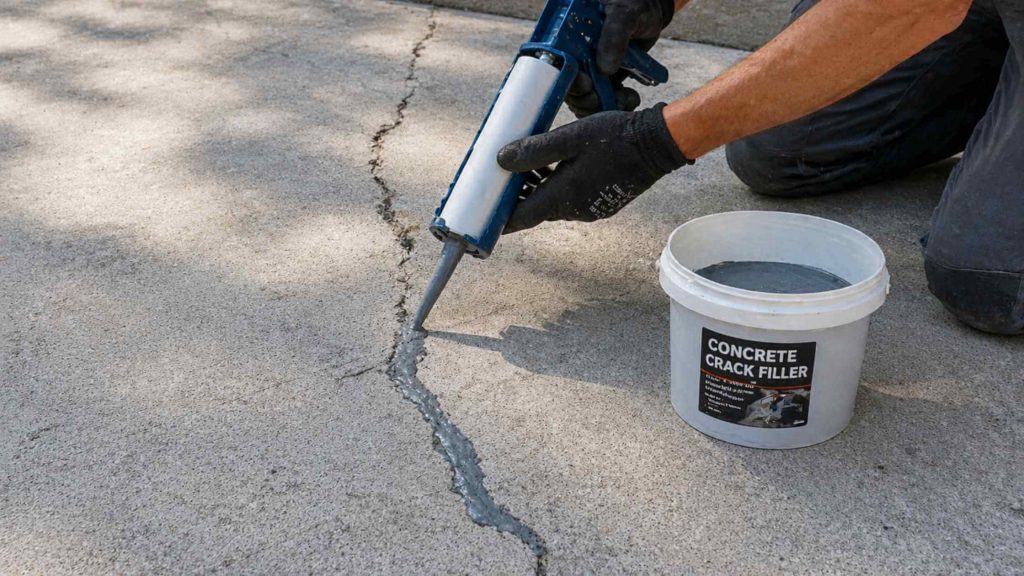
Step 4: Smooth and Seal
Level the surface and apply a sealant to protect against moisture and future damage.
These steps work well for concrete floor crack repair, driveways, and even small structural cracks.
Different repair approaches may be needed depending on the surface. For example, concrete pool deck crack repair often requires flexible sealants due to constant exposure to water and temperature changes. Similarly, concrete wall crack repair may involve structural reinforcement if the crack affects stability.
Taking the time to assess the crack properly ensures that the repair method you choose delivers long-term results.
Common Mistakes to Avoid During Concrete Crack Repair
Even simple repairs can fail if done incorrectly. Avoiding these mistakes ensures better and longer-lasting results.
- Ignoring small cracks: Minor cracks can quickly expand if not treated early
- Using wrong materials: Not all fillers work for every type of crack
- Poor surface preparation: Dirt and debris prevent proper bonding
- Overfilling cracks: Can weaken the surrounding surface
- Skipping sealing: Leaves the repair exposed to moisture
Whether you’re doing concrete floor crack repair or fixing a patio, proper technique matters as much as the material.
Best Materials for Concrete Crack Repair
Using the right material makes a huge difference in the effectiveness of your concrete crack repair.
Concrete Crack Filler
Best for small cracks and quick fixes. Easy to apply and widely available.
Epoxy Injection
Ideal for structural cracks. Provides strong bonding and restores strength.
Polyurethane Sealant
Flexible and perfect for areas exposed to moisture, like concrete pool deck crack repair.
Cement-Based Repair
Suitable for larger cracks and surfaces that need resurfacing.
Choosing the best material ensures your concrete crack repair lasts longer and performs better.
Tools Required for Concrete Crack Repair
Using the right tools makes the repair process easier and more effective.
Essential tools include:
- Wire brush or pressure washer
- Chisel or crack opener
- Caulking gun
- Trowel or putty knife
- Safety gloves and goggles
These tools are commonly used in both DIY and professional concrete repair methods, ensuring a clean and durable finish.
Driveway Crack Repair vs Foundation Crack Repair
Not all repairs are equal. Understanding the difference helps you choose the right solution.
Driveway Crack Repair
Driveway cracks are usually caused by heavy loads or weather conditions. These are easier to fix and often involve surface-level repairs
Foundation Crack Repair
Foundation cracks are more serious. They may indicate structural issues and often require professional help.
If you notice widening cracks, it’s best to seek expert concrete crack repair services.
DIY vs Professional Concrete Crack Repair
Many homeowners consider DIY solutions, but is it always the right choice?
DIY Repair:
- Cost-effective
- Suitable for small cracks
- Quick fixes
Professional Repair:
- Better for structural issues
- Long-lasting results
- Proper inspection and advanced concrete repair methods
For minor issues like concrete floor crack repair, DIY works. But for foundation or wall cracks, professional concrete crack repair is recommended.
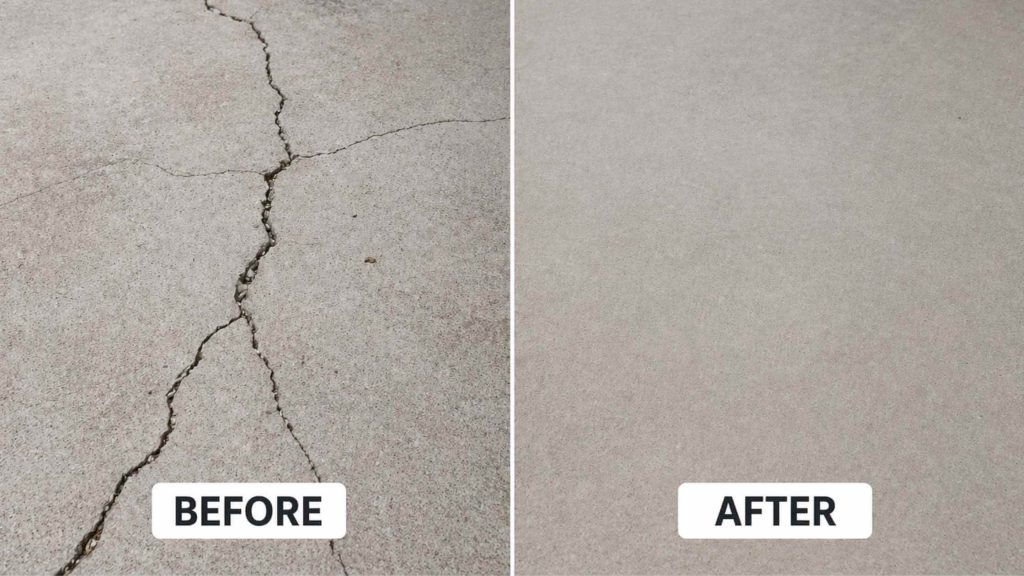
Concrete Crack Repair Cost (2026 Guide)
The cost of concrete crack repair depends on the size and severity of the crack.
Estimated costs:
- Small cracks: $100 – $300
- Medium cracks: $300 – $800
- Large or structural cracks: $800 – $2,500+
For specialized repairs like concrete pool deck crack repair or foundation crack repair, costs may be higher due to labor and materials.
Investing in timely concrete crack repair can prevent more expensive repairs later.
How Weather Affects Concrete Cracks
Weather plays a major role in the formation and expansion of cracks.
- Hot weather: Causes expansion and surface stress
- Cold weather: Leads to contraction and cracking
- Freeze-thaw cycles: Water inside cracks expands when frozen
- Rain and moisture: Weakens the concrete base
Understanding these factors helps you plan better maintenance and reduce the need for frequent repairs
Tips to Prevent Future Concrete Cracks
Prevention is always better than repair. Here’s how you can avoid frequent concrete crack repair:
- Ensure proper drainage around concrete surfaces
- Seal concrete regularly
- Avoid excessive weight on surfaces
- Inspect cracks early
- Use quality materials during installation
Taking these steps reduces the need for repeated concrete crack repair.
Conclusion
Concrete cracks are common, but they should never be ignored. Whether it’s a small surface crack or a deeper structural issue, timely concrete crack repair is essential to maintain safety and durability.
From understanding causes to choosing the right materials and methods, this guide covers everything you need. If you’re unsure about the severity of the crack, it’s always a good idea to consult a professional.
If the cracks seem serious or continue to grow, it may be worth exploring professional concrete and masonry services for a long-lasting solution.
FAQs
How to repair concrete cracks permanently?
Using high-quality materials like epoxy or polyurethane ensures long-lasting concrete crack repair.
What is the best concrete crack filler?
The best option depends on the crack size, but epoxy-based fillers are highly effective.
Can I repair concrete cracks myself?
Yes, small cracks can be fixed using DIY methods, but larger issues require professional concrete crack repair.
When should I worry about concrete cracks?
If cracks are wide, deep, or growing, immediate inspection and repair are necessary.
How much does concrete crack repair cost?
Costs vary depending on severity, but early concrete crack repair is always more affordable.
Need Help with Your Next Project? Call Royal Empire Builder Today!
Fast responses. Expert advice. Trusted service across NYC and beyond.