If you own a brick home or an older commercial building, there is a good chance you will eventually ask what is tuckpointing and why so many contractors recommend it. Most homeowners first search this phrase after noticing cracked mortar joints, loose bricks, white staining, or water leaks around exterior walls. These warning signs often appear slowly, so many people do not realize there is a problem until visible damage becomes harder to ignore.
Many first-time property owners do not understand what is tuckpointing until they begin seeing bricks shift, mortar crumble, or moisture stains appear after heavy rain. By the time these issues are visible, repairs are often more urgent than expected.
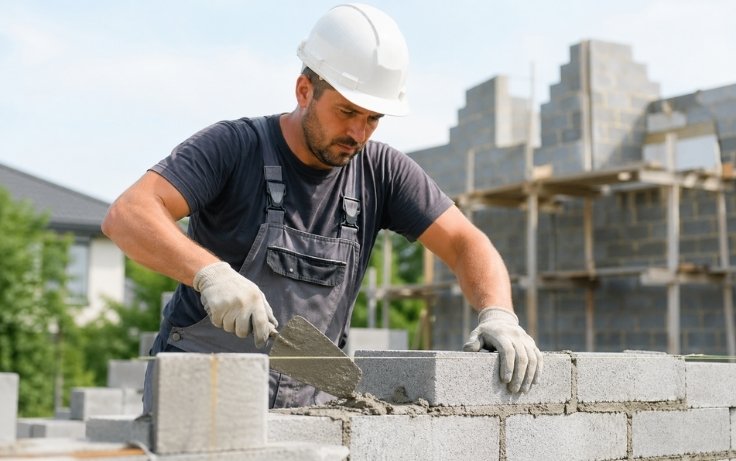
The good news is that tuckpointing is one of the most effective ways to restore masonry without rebuilding the wall. Professional tuck pointing removes worn mortar and replaces it with fresh mortar that helps strengthen the wall, improve appearance, and block moisture entry. It is commonly used on homes, chimneys, facades, garden walls, retaining walls, and historic properties.
Because brick can last for decades, the mortar between the bricks usually fails first. Understanding what is tuckpointing early can save you from much larger repair bills later. Knowing what is tuckpointing before damage spreads helps homeowners make smarter repair decisions and protect their investment.
In this guide, we explain how it works, warning signs, tuckpointing cost, maintenance tips, contractor selection, and how to protect your masonry for years to come.
Tuckpointing Definition
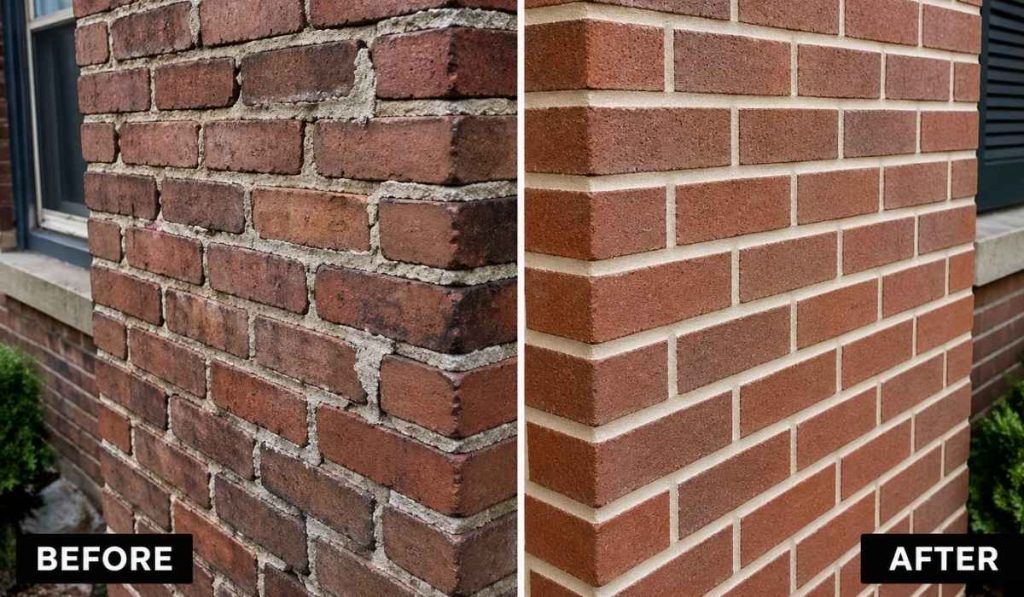
A clear tuckpointing definition is the process of removing old, damaged, or crumbling mortar from between bricks and replacing it with fresh mortar. If someone asks you to define tuckpointing, the simplest answer is brick joint repair that restores strength, stability, and weather protection.
Many people also ask what does tuck point mean because the term is often confused with repointing. In everyday use, both words are used for mortar joint restoration, although tuckpointing can also focus on creating neat finished lines that improve the appearance of the wall.
When mortar becomes weak, moisture can enter the wall and slowly create more damage. During winter, trapped water may freeze and expand, causing cracks or loose bricks. That is why timely tuckpointing is one of the smartest preventive repairs for brick structures.
If you still wonder what is tuckpointing, think of it as renewing the protective joints that help brick walls stay safe, dry, and strong for years.
What Is Tuckpointing Brick?
Many searches for what is tuckpointing brick come from homeowners noticing cracks or gaps on outside walls. Brick walls rely on strong mortar joints to stay secure. Even if the bricks themselves still look solid, worn joints can create moisture issues and instability over time.
Tuckpointing brick walls means restoring the mortar while preserving the original brickwork. This is usually much more affordable than rebuilding the wall entirely. It also helps maintain the charm and original look of older homes.
Benefits of brick tuckpointing include:
- Prevents water from entering the wall system
- Helps stop bricks from shifting or loosening
- Improves wall strength and stability
- Refreshes the appearance of aging masonry
- Extends the life of the structure
Many homeowners asking what is tuckpointing are really trying to understand why brick walls start failing over time.
Signs You Need Tuckpointing
Many property owners do not notice mortar damage right away because it often starts small. What looks like a minor crack today can become a costly repair next year. One reason people search what is tuckpointing is because these warning signs usually appear before larger masonry problems begin.
Cracked or Missing Mortar
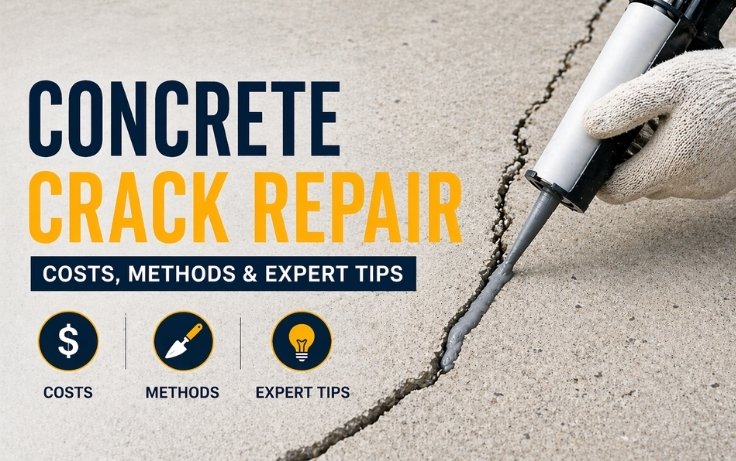
When mortar begins cracking, crumbling, or falling out, the wall loses its protective barrier. Rainwater can enter through these small gaps and slowly weaken the structure. This is one of the clearest signs repairs should not be delayed.
Loose Bricks
If bricks feel unstable, shift slightly, or look uneven, the joints may no longer be holding properly. Loose bricks are common on steps, chimneys, and older walls. Ignoring them can create safety risks.
Water Leaks Indoors
Many homeowners are surprised to learn that water stains inside the house may come from failing mortar joints. Damaged masonry can allow moisture to pass through during storms or long rainy periods.
White Powder on Brick
This white residue is called efflorescence. It happens when moisture travels through brick and leaves salt deposits behind. While it may seem cosmetic, it often points to a moisture problem inside the wall.
Chimney Damage
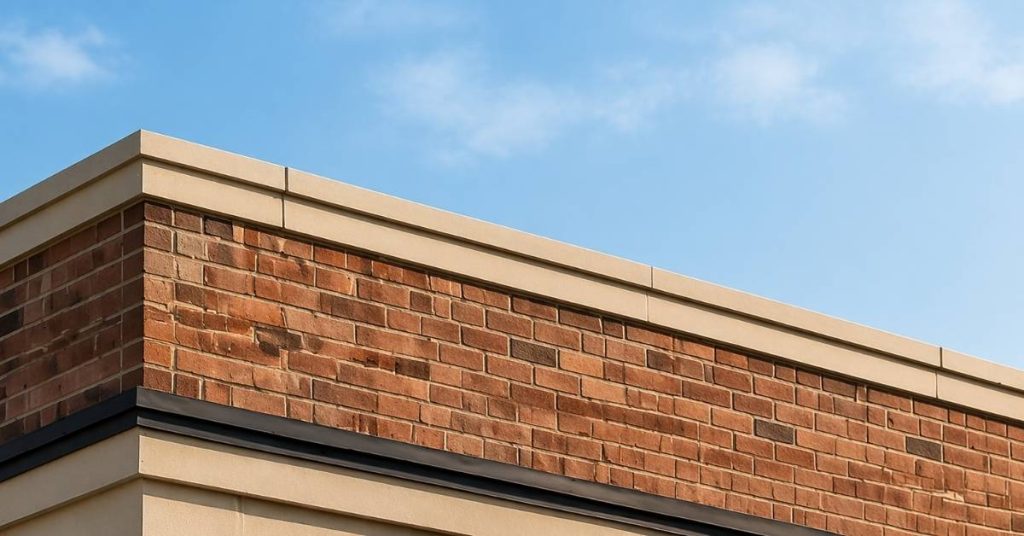
Because chimneys face wind, rain, sun, and freezing weather year-round, they often need chimney tuckpointing before other areas. Cracks or gaps on a chimney should be repaired quickly.
Sandy or Powdery Mortar
If the mortar rubs away easily when touched, it may be deteriorating badly. This usually means the bonding material has reached the end of its useful life.
Gaps Around Windows and Doors
Small openings where brick meets windows or doors may indicate shifting masonry or aging mortar joints. These gaps can also let drafts and moisture enter the home.
Bowing or Bulging Walls
If a wall appears curved or pushed outward, there may be serious structural movement behind it. This requires immediate professional attention.
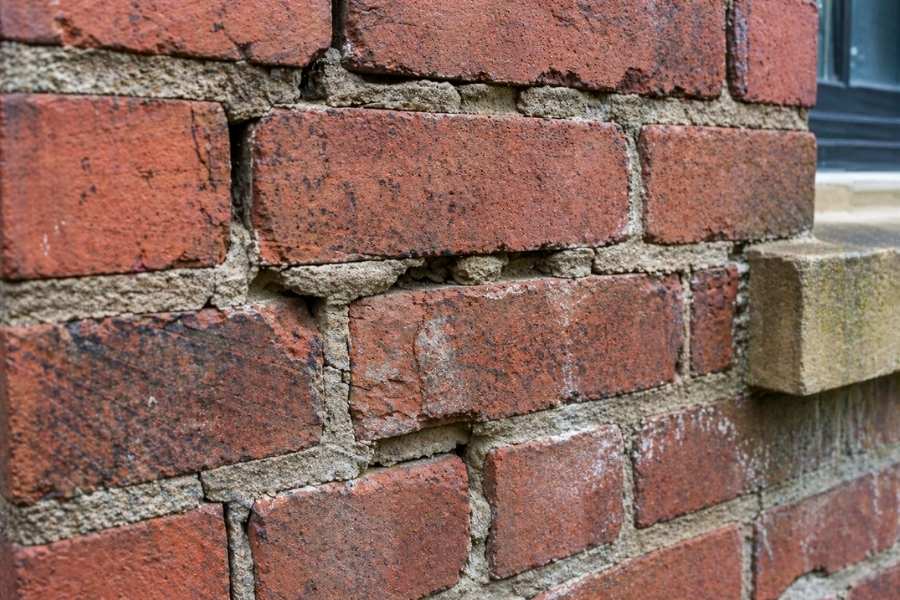
Table: Common Signs and What They Mean
| Warning Sign | Possible Cause | Recommended Action |
|---|---|---|
| Cracked mortar joints | Aging mortar or weather damage | Schedule inspection |
| Loose bricks | Weak joints | Repair quickly |
| Water stains indoors | Moisture entering through joints | Check wall exterior |
| White powder on brick | Water movement in masonry | Inspect mortar |
| Chimney cracks | Heavy weather exposure | Consider chimney repair |
Tuckpointing Cost in 2026
After learning about the process, the next question is usually price. Actual tuckpointing cost depends on wall size, damage level, accessibility, and local labor rates. Before requesting quotes, many owners first ask what is tuckpointing and whether repair is better than replacement.
Average Tuckpointing Prices
- Small repairs: $500 to $1,500
- Medium wall areas: $1,500 to $5,000
- Large exterior walls: $5,000 to $20,000+
Average tuckpointing cost per square foot often ranges from $8 to $25 depending on project difficulty.
What Affects Tuckpointing Cost?
Several factors can change tuckpointing cost:
- Wall height requiring scaffolding
- Hard-to-reach repair areas
- Historic mortar matching
- Brick replacement needs
- Large damaged sections
- Local labor pricing
If you ask how much does tuckpointing cost, the answer usually depends on how early the issue is caught. Small repairs are often affordable, but waiting too long can raise the cost of tuckpointing significantly.
Table: Estimated Tuckpointing Prices
| Project Type | Estimated Cost |
|---|---|
| Small patch repair | $500 – $1,500 |
| Medium wall repair | $1,500 – $5,000 |
| Full exterior wall | $5,000 – $20,000+ |
| Chimney repair | $500 – $3,000+ |
| Historic specialty work | Custom quote |
Chimney Tuckpointing Cost
Chimneys are one of the most common areas needing repair because they are fully exposed to changing weather conditions. Rain, snow, heat, and freezing temperatures wear down mortar faster than many wall surfaces.
Typical chimney tuckpointing pricing:
- Minor repairs: $500 to $1,200
- Medium repairs: $1,200 to $3,000
- Major rebuild work: $3,000+
The final chimney tuckpointing cost depends on roof height, access difficulty, and how much mortar has failed. Ignoring chimney issues can lead to leaks, leaning brickwork, or falling masonry.
Cost of Tuckpointing Brick Walls
The cost of tuckpointing brick walls depends on wall size, joint damage, and labor requirements. A small side wall may only need basic repair, while a full facade can require more time, equipment, and material matching.
Typical tuck pointing brick cost factors include:
- Number of damaged joints
- Height of the wall
- Brick condition
- Mortar color matching
- Equipment needed for access
For many homes, brick tuckpointing is far more cost-effective than rebuilding damaged masonry from scratch.
How Weather Damages Mortar Over Time
Weather is one of the biggest reasons mortar begins to fail. Rainwater can seep into tiny cracks, and when temperatures drop, that water freezes and expands. Over time, this repeated cycle breaks joints apart.
Many homeowners only realize what is tuckpointing after seasonal weather starts causing visible mortar cracks.
Strong sunlight can also dry older mortar and make it brittle. Humid climates may encourage moisture retention, while windy areas can slowly erode exposed joints. This is why regular inspections are especially helpful in areas with changing seasons.
Why Older Homes Need Tuckpointing More Often
Older homes often require repairs sooner because the original mortar has naturally aged over decades. Some historic homes were built with softer mortar mixes that wear out faster than modern materials.
That does not mean the home is weak. In many cases, the bricks remain strong while only the joints need restoration. Proper masonry tuckpointing helps preserve the original beauty of older properties while improving safety and durability.
That is why owners of historic homes often research what is tuckpointing when planning restoration work.
Tuckpointing vs Repointing
Many homeowners ask if tuckpointing and repointing are the same thing. Both involve removing damaged mortar and replacing it with new material.
The difference is that tuckpointing may also focus on decorative finishing lines that create a cleaner visual appearance. Repointing is often used as a general repair term. In practical use, contractors sometimes use both words interchangeably.
If your goal is stronger joints and better appearance, either service may solve the issue depending on the contractor’s process.
How Long Does Tuckpointing Last?
A common question after learning what is tuckpointing is how long repairs last. Quality tuckpointing can last 20 to 30 years or even longer when completed properly. Another reason people ask what is tuckpointing is to know whether it offers long-term value.
Its lifespan depends on:
- Local climate
- Mortar quality
- Installation skill
- Drainage around walls
- Ongoing maintenance
Chimneys and walls facing harsh weather may need earlier attention. Regular inspections can help catch small issues before they grow.
Best Time of Year for Tuckpointing
Many people ask when they should schedule repairs. Mild weather is usually best because mortar cures more consistently when temperatures are stable.
Spring and fall are often ideal seasons for masonry tuckpointing. Extreme heat can dry mortar too quickly, while freezing weather can slow proper curing. Booking early in the season also gives you more contractor availability.
How to Maintain Brickwork After Tuckpointing
Once repairs are complete, simple maintenance can help your masonry last longer.
Helpful tips:
- Keep gutters clean so water drains properly
- Repair leaks quickly
- Trim plants touching the wall
- Inspect mortar once a year
- Seal small cracks early
- Watch for pooling water near the foundation
Good maintenance protects both the mortar and the brick surface.
DIY vs Professional Tuckpointing
Some homeowners think about doing repairs themselves after searching online. While small cosmetic patching may seem simple, real mortar restoration requires skill.
DIY mistakes often include:
- Wrong mortar mix
- Brick damage from tools
- Poor color matching
- Weak joints
- Uneven finish lines
A trained tuck pointer understands safe mortar removal and proper installation. For visible walls or chimneys, professional work is usually the better investment.
How to Choose a Tuckpointing Contractor

Choosing the right contractor matters just as much as the repair itself.
Look for:
- Licensed and insured company
- Experience with brick tuckpointing
- Good customer reviews
- Clear written estimate
- Photos of previous work
- Warranty options
Ask whether cleanup, brick replacement, and material matching are included in the quote.
How to Get a Tuckpointing Estimate
A professional estimate usually starts with an on-site inspection. Contractors check the wall condition, measure damaged areas, and determine how deep the mortar repair needs to go.
When comparing estimates, ask:
- Is scaffolding included?
- Are damaged bricks extra?
- Will mortar color be matched?
- Is cleanup included?
- Is there a workmanship warranty?
Comparing detailed quotes helps avoid surprises later.
Can Tuckpointing Increase Property Value?
Yes, in many cases repairs can improve property value. Buyers often notice exterior condition immediately, and damaged mortar can make a home look neglected.
Fresh joints create a cleaner, stronger appearance and show that the owner has maintained the building properly. For older brick homes, updated repairs can be a strong selling point.
Common Mistakes Homeowners Make
Some property owners delay repairs too long or hire the cheapest contractor without checking experience.
Common mistakes include:
- Ignoring small cracks
- Waiting until leaks begin
- Choosing low-quality materials
- Not comparing estimates
- Skipping yearly inspections
Avoiding these mistakes can save money in the long run.
Final Thoughts
Now that you understand what is tuckpointing, it is easy to see why this repair is so valuable for brick homes and buildings. Replacing damaged mortar protects masonry, improves appearance, and helps prevent larger structural repairs later.
Whether you need chimney tuckpointing, wall restoration, or full brick tuckpointing, acting early usually lowers costs and limits future damage. If someone asks what is tuckpointing, the simplest answer is protecting brickwork before larger damage begins.
If you notice cracks, loose bricks, or leaks, schedule a professional inspection soon. Quality tuckpointing keeps brick structures safe, attractive, and durable for many years to come.