Your driveway is one of the first things people notice about your home. Over time, constant vehicle traffic, harsh weather, water damage, and everyday wear can leave it looking tired and damaged. Cracks, potholes, exposed aggregate, fading, and uneven surfaces not only affect curb appeal but can also lead to more expensive repairs if ignored.
Fortunately, a full driveway replacement is not always necessary. In many cases, driveway resurfacing offers a practical and cost-effective way to restore the appearance and performance of your driveway. By applying a new surface over an existing base, homeowners can extend the life of their driveway without the disruption and expense of complete reconstruction.
Whether you have an asphalt driveway, concrete driveway, resin-bound driveway, gravel driveway, block paving driveway, or tar and chip driveway, choosing the right resurfacing solution can make a significant difference in durability, maintenance requirements, and long-term value.
What Is Driveway Resurfacing?
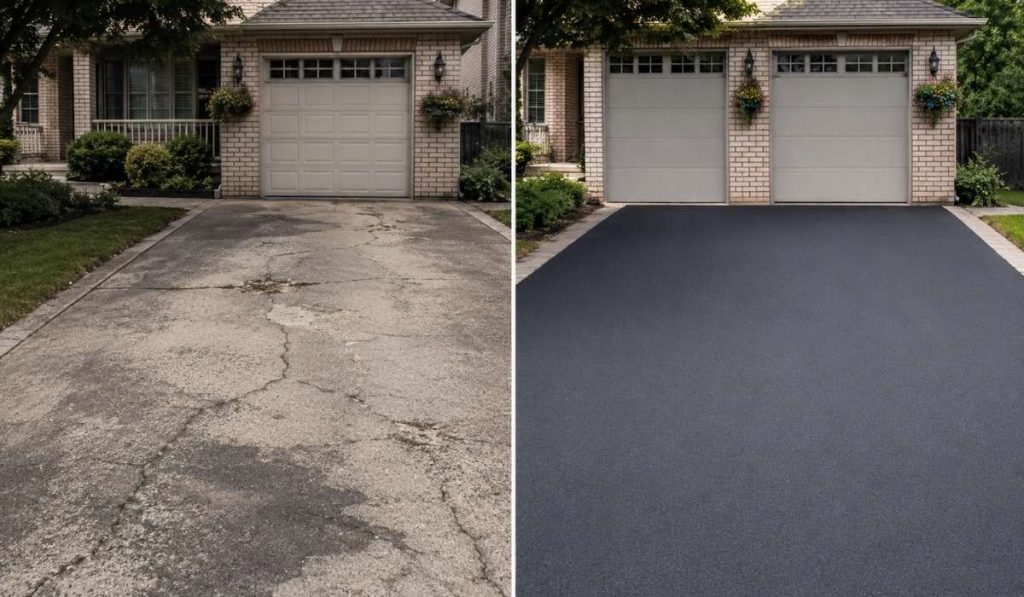
Driveway resurfacing is the process of restoring an existing driveway by applying a new layer of material over the current surface. It is commonly used when a driveway shows signs of wear but still has a solid foundation underneath.
Unlike minor repairs that only fix isolated cracks or potholes, resurfacing addresses widespread surface damage and creates a fresh, uniform appearance. It is often considered the middle ground between simple repairs and a complete driveway replacement.
Homeowners typically choose driveway resurfacing when they notice surface cracks, fading, stains, minor potholes, exposed aggregate, or rough textures. If the structural base remains stable, resurfacing can provide years of additional performance while improving the overall appearance of the property.
Signs Your Driveway Needs Resurfacing
Many driveway problems develop gradually. Identifying these warning signs early can help prevent more serious damage.
Surface Cracks
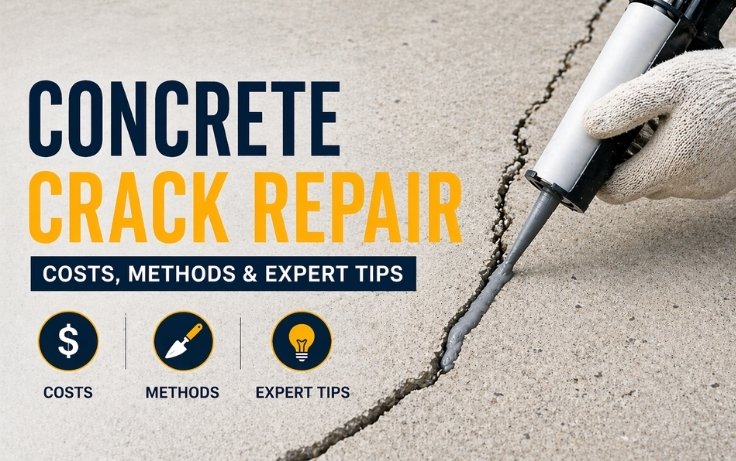
Small cracks may seem harmless at first, but they often allow moisture to penetrate beneath the surface. During freeze-thaw cycles, trapped water can expand and create larger cracks over time.
Potholes and Surface Damage
Potholes are a clear indication that the driveway surface is deteriorating. Resurfacing can restore the damaged area before it spreads further.
Fading and Discoloration
Years of exposure to sunlight, rain, and vehicle traffic can cause driveway materials to lose their original appearance. Resurfacing provides a fresh and uniform finish.
Exposed Aggregate
When the upper layer begins wearing away, the aggregate beneath becomes visible. This often signals that the surface is nearing the end of its useful life.
Drainage Problems
Standing water and puddles can accelerate deterioration. Poor drainage should be addressed before resurfacing to ensure long-lasting results.
Different Types of Driveway Surfaces
Choosing the right driveway material is just as important as the resurfacing process itself. Each option offers unique advantages depending on your budget, property style, climate, and maintenance expectations.
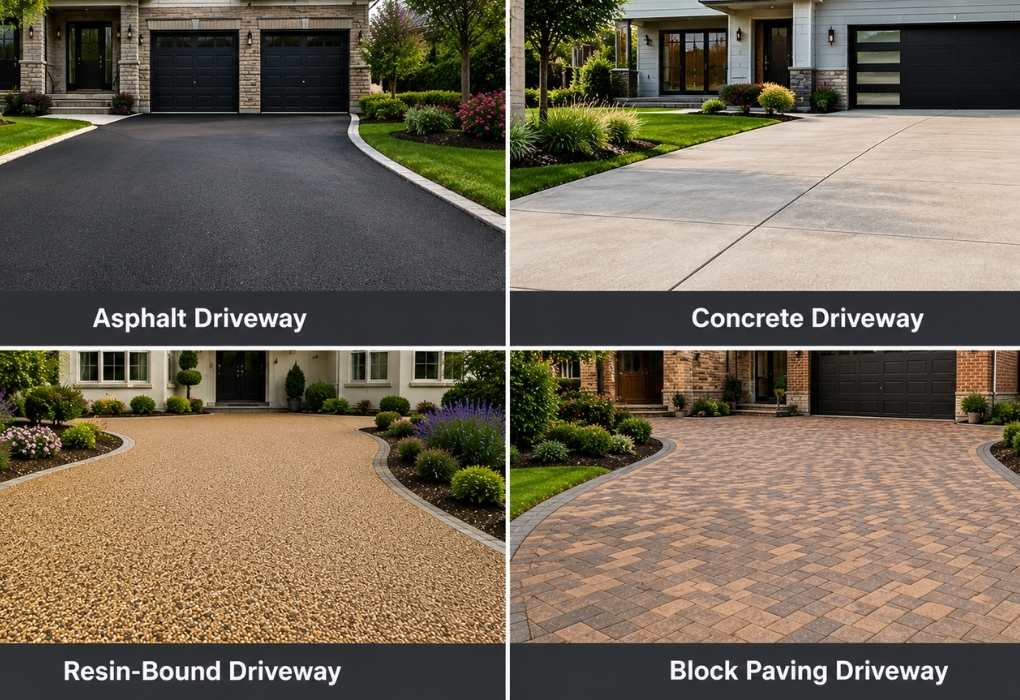
Asphalt Driveways
Asphalt driveways remain one of the most popular choices for residential properties. Known for their smooth black appearance and durability, they perform well under heavy traffic and varying weather conditions.
Benefits of Asphalt Driveways
- Cost-effective compared to many alternatives
- Fast installation and resurfacing process
- Smooth driving surface
- Easy to maintain and repair
- Can last 15–20 years with proper care
Asphalt resurfacing is often recommended when the existing pavement shows cracking, fading, or minor surface deterioration but still has a stable foundation.
Concrete Driveways
Concrete driveways offer a clean, modern appearance and excellent durability. They are commonly found in residential neighborhoods and can be enhanced with decorative finishes.
Benefits of Concrete Driveways
- Long lifespan
- Low maintenance requirements
- Strong resistance to heavy loads
- Available in decorative designs and colors
- Improves curb appeal
Concrete resurfacing can hide minor imperfections while giving the driveway a refreshed appearance.
Resin-Bound Driveways
Resin-bound driveways have become increasingly popular because of their attractive finish and excellent drainage properties. They combine natural stone aggregate with a durable resin binder to create a smooth yet permeable surface.
Benefits of Resin-Bound Driveways
- Excellent water permeability
- Modern decorative appearance
- Wide range of colors and textures
- Low maintenance
- Resistant to weeds and surface cracking
For homeowners concerned about drainage and standing water, resin-bound driveways are often one of the best choices.
Gravel Driveways
Gravel driveways remain a practical option, especially for larger properties and rural homes. They offer a natural appearance and effective drainage at a relatively low cost.
Benefits of Gravel Driveways
- Affordable installation
- Excellent drainage performance
- Easy to extend or modify
- Rustic appearance
- Suitable for long driveways
While gravel requires occasional maintenance and replenishment, it remains one of the most economical driveway solutions available.
Block Paving Driveways
Block paving driveways are created using individual pavers arranged in various patterns. They are known for their versatility and premium appearance.
Benefits of Block Paving Driveways
- Wide variety of colors and styles
- Easy to repair individual sections
- Strong visual appeal
- Durable under regular traffic
- Can increase property value
Many homeowners choose block paving because it offers a balance between aesthetics and long-term performance.
Tar and Chip Driveways
Tar and chip driveways combine hot liquid asphalt with loose stone aggregate. This creates a textured surface that provides good traction and a traditional appearance.
Benefits of Tar and Chip Driveways
- Lower installation costs
- Good skid resistance
- Natural-looking finish
- Suitable for large driveways
- Durable and practical
Although they may not offer as many design options as block paving or resin-bound surfaces, tar and chip driveways remain a reliable solution for many properties.
Driveway Surface Comparison
| Driveway Type | Average Lifespan | Maintenance Level | Drainage Performance | Best For |
|---|---|---|---|---|
| Asphalt Driveway | 15–20 Years | Moderate | Good | Budget-friendly homes |
| Concrete Driveway | 20–30 Years | Low | Moderate | Long-term durability |
| Resin-Bound Driveway | 15–25 Years | Low | Excellent | Modern homes |
| Gravel Driveway | 5–10 Years | High | Excellent | Rural properties |
| Block Paving Driveway | 25–50 Years | Low | Good | Premium curb appeal |
| Tar and Chip Driveway | 8–15 Years | Low | Moderate | Long driveways |
How to Choose the Right Driveway
The best driveway depends on several factors beyond appearance alone.
Consider your budget, local climate, drainage requirements, maintenance expectations, and the overall style of your property. Homes in areas with heavy rainfall often benefit from permeable surfaces such as resin-bound driveways or gravel driveways. Properties focused on curb appeal may benefit from block paving or decorative concrete surfaces.
It is also important to think about vehicle traffic, long-term maintenance costs, and how long you plan to stay in the property. A higher initial investment may provide better value over time through increased durability and lower repair costs.
Is Resurfacing a Driveway a Good Idea?
Yes, driveway resurfacing is a good option when the existing driveway has surface damage but the foundation remains stable. It can improve appearance, extend the lifespan of the driveway, and cost significantly less than a full replacement. Many homeowners choose resurfacing to repair cracks, minor potholes, fading, and surface deterioration without removing the entire driveway.
How Long Does Driveway Resurfacing Last?
The lifespan of a resurfaced driveway depends on the material, weather conditions, traffic levels, and maintenance. Asphalt driveway resurfacing typically lasts 8–15 years, while concrete resurfacing can last 10–15 years or longer with proper care. Regular cleaning, sealing, and timely repairs can help maximize longevity.
What Is the Difference Between Resurfacing and Sealing a Driveway?
Driveway resurfacing involves applying a new layer of material over an existing surface to restore its appearance and performance. Sealing is a maintenance treatment that adds a protective coating to prevent moisture penetration, UV damage, and staining. Resurfacing addresses existing surface wear, while sealing helps protect a driveway from future damage.
What Is the Process of Resurfacing a Driveway?
The driveway resurfacing process begins with an inspection of the existing surface. Contractors repair cracks, potholes, and damaged areas before thoroughly cleaning the driveway. A new overlay or resurfacing material is then applied to create a smooth, uniform finish. Once cured, the resurfaced driveway provides improved durability, appearance, and protection against weather-related damage.
Final Thoughts
Driveway resurfacing is an excellent way to restore a worn driveway without the cost and disruption of complete replacement. Whether you choose asphalt, concrete, resin-bound, gravel, block paving, or tar and chip surfaces, selecting the right material can improve durability, enhance curb appeal, and increase property value.
By understanding the benefits, maintenance requirements, lifespan, and drainage performance of each driveway type, homeowners can make informed decisions and choose a resurfacing solution that delivers long-term results.
Need Help with Your Next Project? Call Royal Empire Builder Today!
Fast responses. Expert advice. Trusted service across NYC and beyond.