A chimney cap is one of those parts of a home that most people rarely think about until something goes wrong. It sits at the very top of the chimney, so it is easy to miss from the ground. Even so, it has an important job. A good cap helps keep rain, snow, animals, leaves, and other debris out of the flue while still allowing smoke and gases to escape.
For homeowners in New York City, this small cover can be especially useful. Chimneys here face heavy rain, winter snow, strong winds, changing temperatures, and constant outdoor exposure. This guide explains what a chimney cap is, how it works, the main types available, and the signs that may mean it needs repair or replacement.
What Is a Chimney Cap?
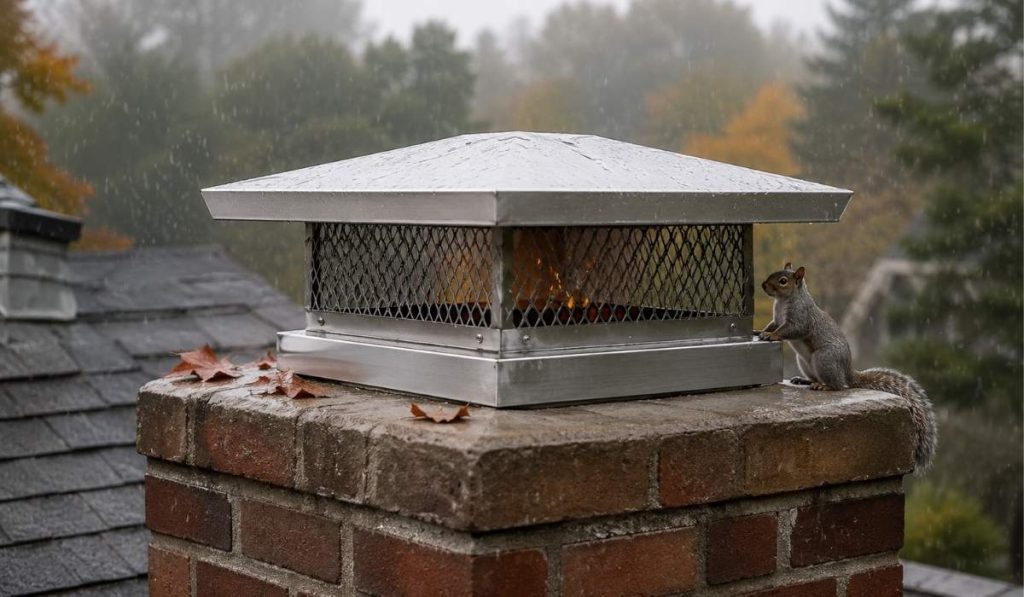
A chimney cap is a protective cover fitted over the opening at the top of a chimney. Most designs have a solid metal top and mesh sides. The top blocks water and falling debris, while the open mesh allows smoke, heat, and gases to leave the chimney safely.
The opening inside the chimney is called the flue. Without a cap, the flue remains open to rain, birds, squirrels, leaves, and anything else carried by the wind. The cap works like a shield rather than a full seal. It protects the opening without closing off the airflow that the chimney needs.
Some homeowners search for a “cap for fireplace,” but the usual term is chimney cap or fireplace chimney cap. It is installed outside, above the flue, rather than directly on the fireplace inside the home.
What Does a Chimney Cap Do?
A chimney cap may be small, but it protects the chimney in several ways. Some of the most common benefits are listed below.
It Keeps Rain and Snow Out
Water is one of the biggest causes of chimney damage. When rain enters an open flue, it can soak the liner, mortar, metal parts, and firebox below. Over time, this may lead to staining, rust, unpleasant smells, and damaged masonry.
A chimney rain cap helps block most water from entering directly from above. It does not waterproof the whole chimney, though. Cracked crowns, damaged flashing, and weak mortar joints can still allow moisture in.
It Helps Keep Animals Away
Birds, squirrels, and other small animals sometimes enter open chimneys for warmth or shelter. They may build nests inside the flue, creating a blockage that affects airflow.
A cap with secure mesh helps stop animals from getting inside. If you hear scratching, flapping, or chirping in the chimney, do not use the fireplace until the flue has been checked.
It Blocks Leaves and Debris
Leaves, twigs, bits of roofing material, and windblown rubbish can fall into an uncovered flue. A small amount may not seem serious, but a large buildup can restrict ventilation or create a fire risk.
A chimney flue cap helps keep larger debris out. Regular chimney cleaning is still necessary because soot and creosote can collect inside even when the cap is in good condition.
It Can Reduce Downdrafts
Wind moving across the top of a chimney can sometimes push cold air, smoke, or odours back into the home. A properly designed cap may reduce this problem by changing how air moves around the flue opening.
A cap will not fix every draft issue. Poor chimney height, negative air pressure, nearby buildings, trees, or a damaged flue can also cause smoke to enter the room.
It Helps Control Escaping Sparks
Wood-burning fireplaces can send sparks and small embers up the chimney. The mesh around many chimney caps helps reduce the chance of those sparks reaching the roof or nearby materials.
The screen must remain clean and open. Heavy soot or creosote on the mesh can restrict airflow and create new problems.
Do All Chimneys Need a Cap?
Most chimneys benefit from having a correctly fitted cap, but the right design depends on the type of fireplace or heating appliance connected to the flue.
Wood-burning fireplaces and stoves usually need a cap to keep out water and debris and to help control sparks. Unused chimneys also need protection because rain and animals can still enter, even when the fireplace is no longer used.
Gas appliances are different. Some use a special vent terminal instead of a standard chimney cap. The correct part depends on the appliance and venting system. A regular cap should not be added without checking the manufacturer’s instructions or having the system inspected.
Different Types of Chimney Caps
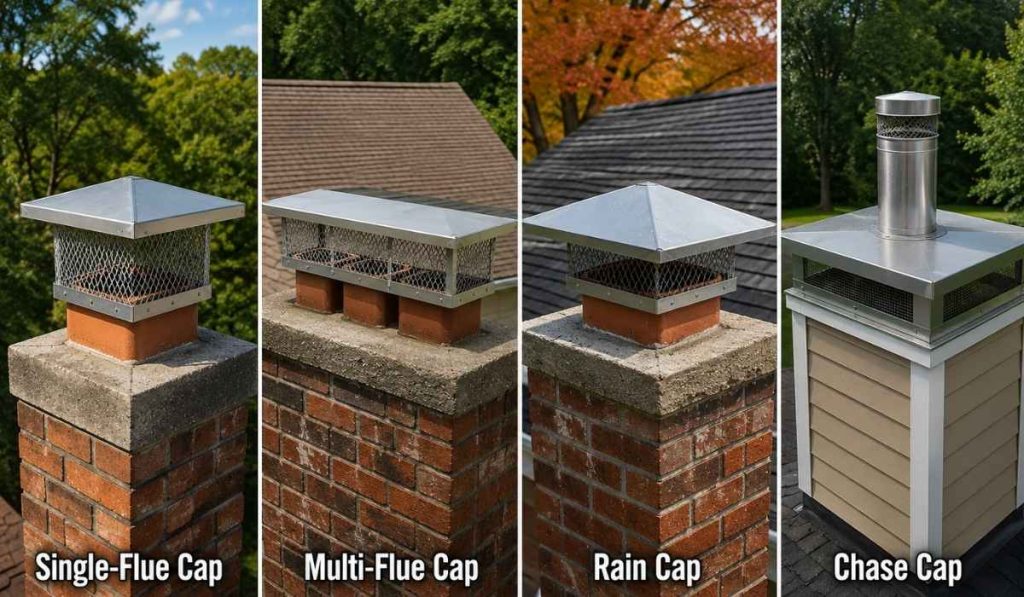
There is no single design that suits every chimney. The right choice depends on the number of flues, the shape of the opening, and the way the chimney was built.
| Type | Best suited for |
|---|---|
| Single-flue chimney cap | A chimney with one flue opening |
| Multi-flue chimney cap | Two or more flues within the same chimney |
| Chimney rain cap | Homes where water protection is the main concern |
| Chimney flue cap | A cap fitted directly over one flue opening |
| Custom chimney cap | Unusual sizes, shapes, or chimney layouts |
| Chimney chase cap | Factory-built fireplaces with a framed chimney chase |
Single-Flue Chimney Cap
A single-flue cap covers one opening. It may clamp onto the flue tile, fit around the outside edge, or attach with screws and brackets. This is one of the most common options for residential chimneys.
Multi-Flue Chimney Cap
A multi-flue cap covers several flues at once. It is usually larger and may be fixed to the chimney crown. This design can protect a wider section of the chimney top.
Chimney Rain Cap
A chimney rain cap is made mainly to direct rain and snow away from the flue. Many standard caps also work as rain caps, but the amount of protection depends on the size and shape of the top cover.
Chimney Flue Cap
A chimney flue cap fits over a single round, square, or rectangular flue. It should be secure without reducing the space needed for smoke and gases to escape.
Custom Chimney Cap
Some chimneys are too large, too wide, or too unusual for a standard product. In those cases, a custom cap may provide a safer and more stable fit.
Chimney Chase Cap
A chimney chase cap is different from a small flue cap. It is a large metal cover placed over the whole top of a framed chimney chase. It helps stop water from entering the structure around a factory-built fireplace.
Chimney caps are commonly made from galvanised steel, stainless steel, copper, or aluminium. Stainless steel is popular because it is durable, but its cost, lifespan, and maintenance are better covered in a separate material-specific guide.
Chimney Cap vs Chimney Crown vs Chase Cover
These terms are often confused because all three parts sit near the top of a chimney.
A chimney cap covers the flue opening and keeps out water, animals, and debris.
A chimney crown is the sloped concrete or masonry surface around the flue on a traditional chimney. Its job is to direct water away from the bricks.
A chase cover is a large metal panel fitted over the top of a framed chimney chase.
This difference matters when dealing with leaks. Water in the fireplace may come from a missing cap, but it can also enter through a cracked crown, damaged flashing, or rusted chase cover.
Common Chimney Cap Problems
Chimney caps are exposed to wind, rain, snow, heat, and cold throughout the year. Because of this, several problems can develop over time.
Rust and corrosion are common on older metal caps. Fasteners may loosen, mesh can tear, and strong winds may bend or move the cap. Leaves, soot, or nesting material may also block the screen and reduce airflow.
Poor sizing is another issue. A cap that is too small may not protect the opening properly, while one that is too large or badly secured may move during storms.
Signs of a Damaged or Missing Chimney Cap
You may not notice damage from the ground, but problems inside the home can provide useful warning signs.
Look out for:
- Water dripping into the fireplace after rain
- Damp or musty smells near the chimney
- Rust stains around the chimney top or damper
- Animal noises coming from the flue
- Leaves, twigs, or nesting material in the firebox
- Smoke entering the room
- A cap that looks loose, bent, or tilted
- A missing cap after strong winds or a storm
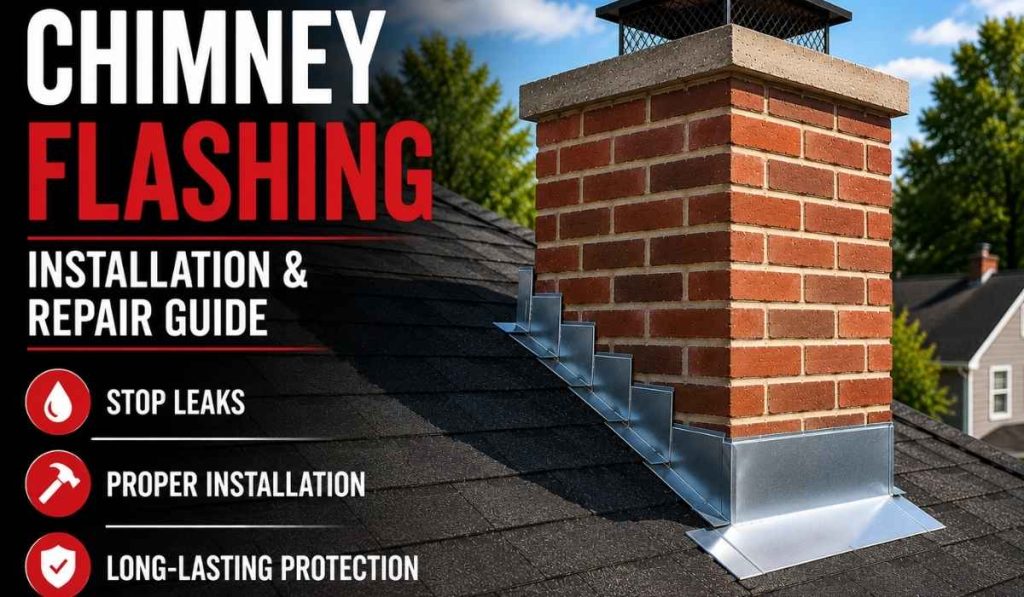
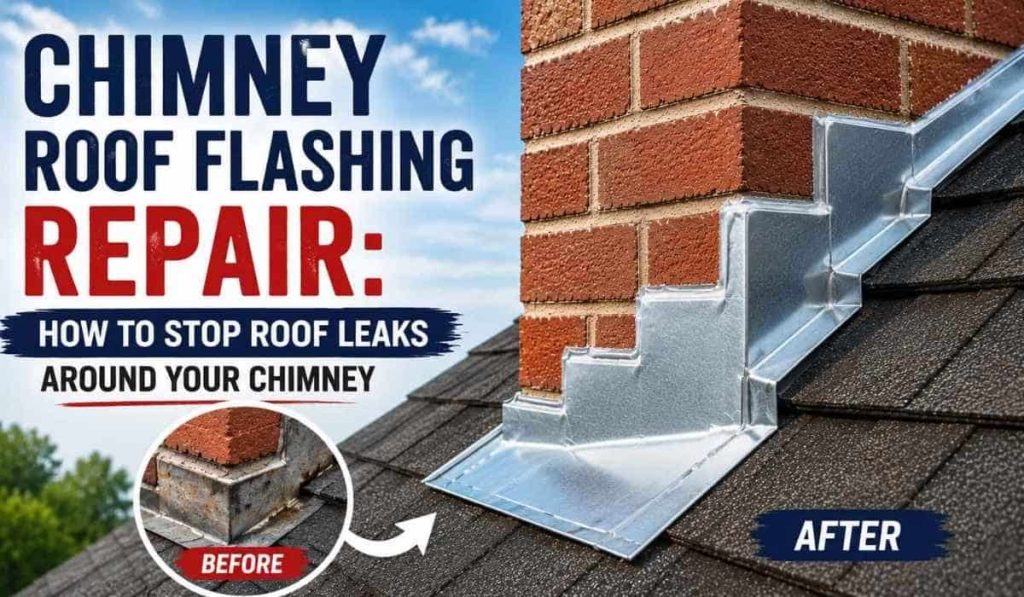
These signs do not always mean the chimney cap is the only problem. Water may also enter through damaged flashing, cracked mortar joints, or deteriorated brickwork around the chimney. Our professional masonry repair services can help address moisture damage, loose bricks, and failing mortar around the chimney structure.
Chimney Cap Repair or Replacement
Some chimney cap problems can be repaired. Loose screws may be tightened, light debris can be removed, and a slightly shifted cap may be secured again if the metal is still in good condition.
Replacement is usually the better choice when the cap is badly rusted, bent, broken, or no longer stable. Torn mesh, missing sections, repeated movement, or poor sizing are also good reasons to install a new one.
A chimney cap replacement should not be treated as a quick surface fix. The flue and surrounding chimney top should be checked first so the new cap is installed on a sound base.
How Long Does a Chimney Cap Last?
There is no single lifespan that applies to every chimney cap. Material, weather, installation quality, and maintenance all make a difference.
A basic galvanised steel cap may rust within several years, while better materials can last much longer. In New York City, rain, snow, humidity, freeze-thaw cycles, and strong winds can all speed up wear.
The condition of the cap matters more than its age alone. A cap that is secure, clean, and free from major corrosion may continue working well, while a newer cap can fail early if it was poorly fitted.
Frequently Asked Questions
What is the purpose of a chimney cap?
A chimney cap keeps rain, snow, animals, leaves, and debris out of the flue while allowing smoke and gases to escape.
Can a chimney work without a cap?
Yes, but leaving the flue open increases the chance of water damage, animal entry, debris buildup, and chimney problems.
How do I know when a chimney cap needs replacement?
Common signs include heavy rust, broken mesh, loose fittings, storm damage, repeated leaks, or a cap that no longer sits securely.
Can I install a chimney cap myself?
Some caps may look simple to fit, but roof work is dangerous and accurate sizing is important. Many homeowners prefer professional chimney cap installation for safety and a better fit.
How often should a chimney cap be inspected?
It should usually be checked once a year and again after severe storms or strong winds.
Final Thoughts
A chimney cap is a simple part of the home, but it protects the flue from many common problems. It keeps out water, animals, leaves, and other debris while helping the chimney vent safely. When it becomes loose, blocked, rusted, or damaged, small issues can quickly lead to leaks, poor airflow, or costly repairs.
Homeowners who notice water near the fireplace, animal sounds, rust marks, or storm damage should have the chimney top inspected. A correctly sized and securely fitted cap can protect the chimney for years and reduce the risk of problems spreading into the masonry or the rooms below.
Not sure what is causing the problem? Contact us for a professional inspection and clear advice on the next step.
Need Help with Your Next Project? Call Royal Empire Builder Today!
Fast responses. Expert advice. Trusted service across NYC and beyond.