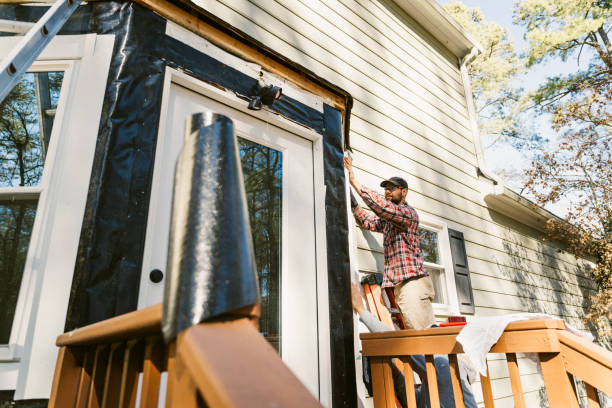
Vinyl siding is durable, affordable, and easier to maintain than many other exterior materials. Still, dirt, mold, algae, pollen, and road pollution can slowly leave the surface looking dull and stained.
Homes in New York City may need more frequent cleaning because of changing weather, humidity, traffic pollution, and dust. Choosing the right vinyl siding cleaner helps remove this buildup without fading the siding or forcing water behind the panels.
This guide covers seven practical cleaning solutions, when to use them, and how to clean vinyl siding safely.
Why Vinyl Siding Gets Dirty So Quickly
Vinyl siding faces outdoor exposure every single day, so dirt and stains naturally build up over time. Rainwater often leaves streaks behind, while dust ,Vinyl siding is exposed to rain, wind, dust, and moisture throughout the year. Dirt often settles on the surface, while shaded areas stay damp long enough for mold, mildew, or algae to grow.
Common causes of dirty siding include:
- Mold and mildew in shaded areas
- Green algae caused by moisture
- Pollen and tree sap
- Road dust and air pollution
- Rain and snow residue
- Overflowing gutters
- Plants growing close to exterior walls
Homes near busy roads or surrounded by trees may need cleaning more often. Removing stains early is usually easier than waiting until they spread across a larger area.
What Makes a Good Vinyl Siding Cleaner?

A good vinyl siding cleaner should remove dirt and organic stains without fading, scratching, or weakening the siding.
Look for a cleaner that is:
- Suitable for vinyl surfaces
- Effective against the type of stain you have
- Easy to rinse
- Safe to use at the recommended dilution
- Compatible with a soft brush or low-pressure sprayer
- Safe around landscaping when used correctly
Strong chemicals are not always the best choice. A mild cleaning solution may be enough for surface dirt, while mold, algae, and heavy staining often need a stronger product.
Always read the product instructions before use. Never mix cleaning chemicals unless the manufacturer clearly says it is safe.
7 Best Vinyl Siding Cleaner Solutions
1. Vinegar and Warm Water
A vinegar and warm water mixture is one of the easiest ways to remove light dirt and dust from siding. This homemade vinyl siding cleaner is affordable and works well for routine cleaning.
It is especially useful for homeowners who want a gentler alternative to stronger chemicals.
2. Dish Soap and Water
Dish soap mixed with water is another simple solution for regular vinyl siding cleaning. It helps remove surface grime, pollen, and light stains without damaging the siding.
Using a soft cloth or brush can help loosen dirt while avoiding scratches.
3. Oxygen Bleach Cleaner
Oxygen bleach cleaners work well for mold, mildew, and algae stains. Unlike stronger bleach products, oxygen bleach is usually safer for surrounding plants and landscaping when used properly.
This type of vinyl siding cleaner is especially helpful in shaded or damp areas where mold buildup is common.
4. Commercial Vinyl Siding Cleaner
Commercial vinyl siding cleaner are designed specifically for deep exterior house cleaning. Many homeowners use them when dealing with heavy dirt buildup or dark stains.
Benefits of commercial cleaners include:
- faster stain removal
- more even cleaning results
- better mildew removal
- compatibility with pressure washing siding equipment
Professional-grade cleaners are commonly used with soft washing systems for safer cleaning.
5. Soft Washing Solution
Soft washing is becoming one of the most recommended methods for vinyl siding cleaning because it uses lower water pressure combined with specialized cleaning solutions.
This method:
- reduces the risk of siding damage
- works well for older homes
- removes algae and mold effectively
- helps siding stay cleaner longer
Many professional power washing services now prefer soft washing for delicate exterior surfaces.
6. Pressure Washing Detergent
Pressure washing detergents and certain vinyl siding cleaner products help loosen dirt and grime before rinsing. When combined with proper water pressure settings, they can clean heavily stained siding more effectively.
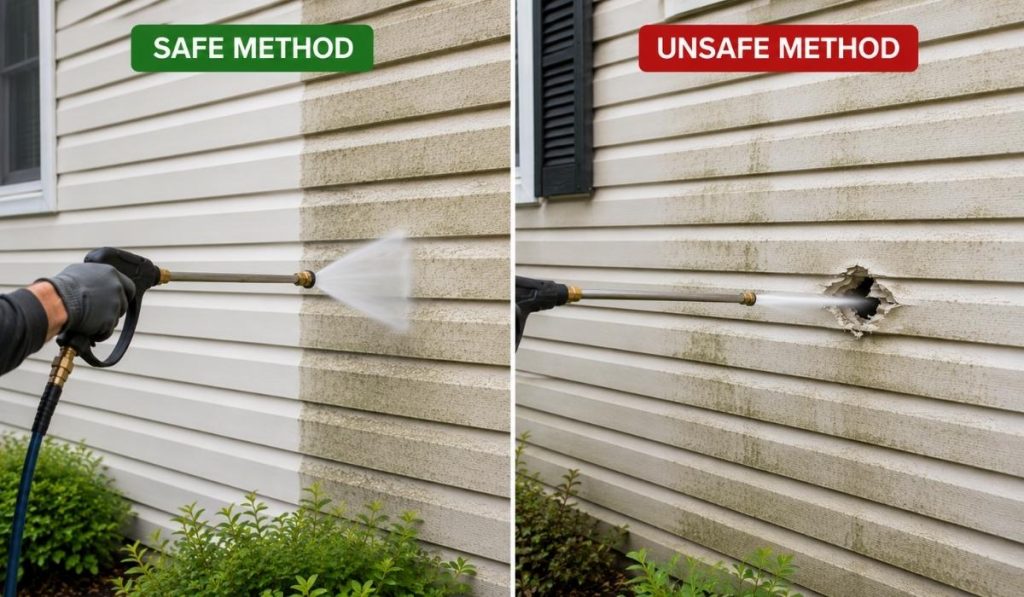
However, homeowners should avoid using excessive pressure because strong water force can crack siding or push water behind panels.
7. Mold and Mildew Remover
For homes with green stains or black streaks, mold and mildew removers can be very effective. These cleaners are designed to eliminate organic buildup while improving the appearance of the siding.
A quality vinyl siding cleaner designed for mildew removal can help prevent stains from returning too quickly.
Which Cleaner Should You Use?
The right choice depends on the condition of the siding.
| Siding condition | Suitable cleaning option |
|---|---|
| Light dirt or pollen | Dish soap and water |
| Minor surface stains | Vinegar and warm water |
| Green algae | Oxygen bleach or algae remover |
| Mold and mildew | Dedicated mold remover |
| Heavy exterior grime | Commercial siding cleaner |
| Large surface area | Soft-wash solution |
| Pressure-washer use | Vinyl-safe detergent |
Start with the gentlest suitable option. Move to a stronger cleaner only when lighter methods do not work.
Can Pressure Washing Damage Vinyl Siding?
Yes. Pressure washing can damage vinyl siding when the water pressure is too strong or the spray is directed beneath the panels.
Possible problems include:
- Cracked or loosened siding
- Water trapped behind panels
- Damage around windows and joints
- Moisture inside exterior walls
- Streaking or uneven cleaning
Older siding may be more brittle and vulnerable to damage. Soft washing is often a safer choice because it relies on cleaning products and lower pressure.
For upper floors or heavy staining, professional exterior cleaning may reduce the risk of accidental damage.
Common Cleaning Mistakes to Avoid
UEven a suitable vinyl siding cleaner can cause problems when used incorrectly.
Avoid:
- Using a very strong pressure setting
- Spraying upward beneath siding panels
- Mixing different cleaning chemicals
- Using rough or metal brushes
- Letting cleaner dry on the siding
- Cleaning in strong direct sunlight
- Ignoring manufacturer instructions
- Leaving nearby plants unprotected
Clean one manageable section at a time and rinse it before moving on.ding itself.
How Often Should You Clean Vinyl Siding
Most homes should have vinyl siding cleaning at least once or twice per year. Spring and fall are usually the best seasons because weather conditions are more manageable.
Some homes may require more frequent cleaning, especially if they are:
- located near busy roads
- surrounded by trees
- exposed to high humidity
- frequently shaded
- affected by mold or algae buildup
In New York City, seasonal weather changes, snow, rain, and pollution can all contribute to siding discoloration over time.
Regular siding maintenance helps prevent stains from becoming permanent while keeping the home exterior looking cleaner year-round.
How to Keep Vinyl Siding Cleaner for Longer
Keeping your siding clean throughout the year becomes much easier when homeowners follow simple maintenance habits regularly. A good vinyl siding cleaner can remove dirt and stains, but long-term results also depend on proper siding maintenance and moisture control around the home.
A few easy ways to keep siding cleaner for longer include:
- trimming bushes and trees near exterior walls
- cleaning gutters to prevent water overflow
- rinsing dirt and pollen during seasonal changes
- removing mold and algae stains early
- scheduling regular vinyl siding cleaning
Homes exposed to heavy rain, humidity, or shaded conditions often experience faster dirt buildup. Regular exterior house cleaning and soft washing can help reduce discoloration while protecting the appearance of the home exterior.may need additional siding maintenance during summer months because algae and mold grow faster in warm, damp conditions. Regular exterior cleaning helps preserve curb appeal while preventing stains from becoming more difficult to remove later.
DIY vs Professional Vinyl Siding Cleaning
DIY vinyl siding cleaning with the right vinyl siding cleaner can work well for smaller jobs and light dirt buildup.. Many homeowners use basic cleaning mixtures and garden hoses for routine maintenance around the home.
However, professional exterior house cleaning services often provide more consistent and longer-lasting results. Commercial equipment can clean large surfaces evenly while safely reaching difficult areas.
Professional cleaning is especially useful for:
- multi-story homes
- heavy mold buildup
- older siding
- difficult stains
- large exterior surfaces
Experienced contractors also know how to avoid siding damage caused by incorrect pressure washing techniques. In addition, they can identify hidden issues like loose siding panels or moisture buildup during the cleaning process.
Frequently Asked Questions
What is the best vinyl siding cleaner for mold and mildew?
An oxygen-based cleaner or a product made specifically for mold and mildew is usually the best choice. Mild soap may remove surface dirt, but established growth often needs a stronger siding-safe formula.
What is the best homemade vinyl siding cleaner?
For light dirt and mild stains, use warm water with a small amount of dish soap. A mix of 30% white vinegar and 70% water can also help with light mildew. Never mix vinegar with bleach.
Can you use bleach to clean vinyl siding?
Yes, but only when it is properly diluted and approved for use on vinyl siding. Strong bleach mixtures may fade the surface or damage nearby plants, so always follow the product instructions.
What removes green algae from vinyl siding?
Oxygen bleach, a commercial algae remover, or a siding-safe house wash can remove green algae. Allow the cleaner to sit for the recommended time, then rinse it thoroughly before it dries.
Is soft washing better than pressure washing vinyl siding?
Soft washing is usually safer because it uses lower water pressure and relies on the cleaning solution to remove dirt, mold, and algae. It reduces the risk of cracking panels or forcing water behind the siding.
Conclusion
Keeping vinyl siding clean does more than improve appearance. Regular cleaning helps protect your home exterior from mold growth, dirt buildup, and weather-related staining. Choosing the right vinyl siding cleaner can make a noticeable difference in both appearance and long-term siding durability.
Whether you choose DIY cleaning or professional exterior house cleaning, using safe methods is important for preventing accidental siding damage. If your home exterior needs professional attention, Royal Empire Builder NYC provides reliable siding maintenance, exterior cleaning, and power washing services to help keep your property looking its best throughout the year.
Need Help with Your Next Project? Call Royal Empire Builder Today!
Fast responses. Expert advice. Trusted service across NYC and beyond.