If your basement floods every time it rains, or you just want to stop water problems before they start, you’re probably asking one question: how much does sump pump installation cost? In simple terms, a sump pump basement system works by collecting groundwater in a basin and pushing it away from your home before it can cause damage simple in theory, but the actual cost depends on how your basement is set up. On average, homeowners in NYC pay between $800 and $3,500 for a professionally installed sump pump. The exact price depends on the type of pump you choose, whether you need a new sump pit, how much electrical work is involved, and how your basement is set up.
In this guide, we’ll break down the average costs, what makes the price go up or down, the different types of pumps you can choose from, and a few tips to help you get the best value for your money.
Average Sump Pump Installation Cost
The price of a sump pump installation changes a lot depending on what your basement needs. A simple pump swap costs less than putting in a brand new system, since the pit, pipes, and wiring are often already there.
| Installation Type | Average Cost |
|---|---|
| Pedestal Sump Pump | $800 – $1,500 |
| Submersible Sump Pump | $1,200 – $2,500 |
| Battery Backup (add-on) | $600 – $1,500 |
| Combination System (primary + backup) | $2,000 – $3,500 |
| New Sump Pit Installation | $1,500 – $4,500 |
Note: These are general price ranges. Your final cost will depend on your home’s layout, local labor rates, and how much drainage work is needed.
What Affects Sump Pump Installation Cost?
No two basements are exactly alike, so no two installs cost the same. Here’s what usually moves the price up or down:
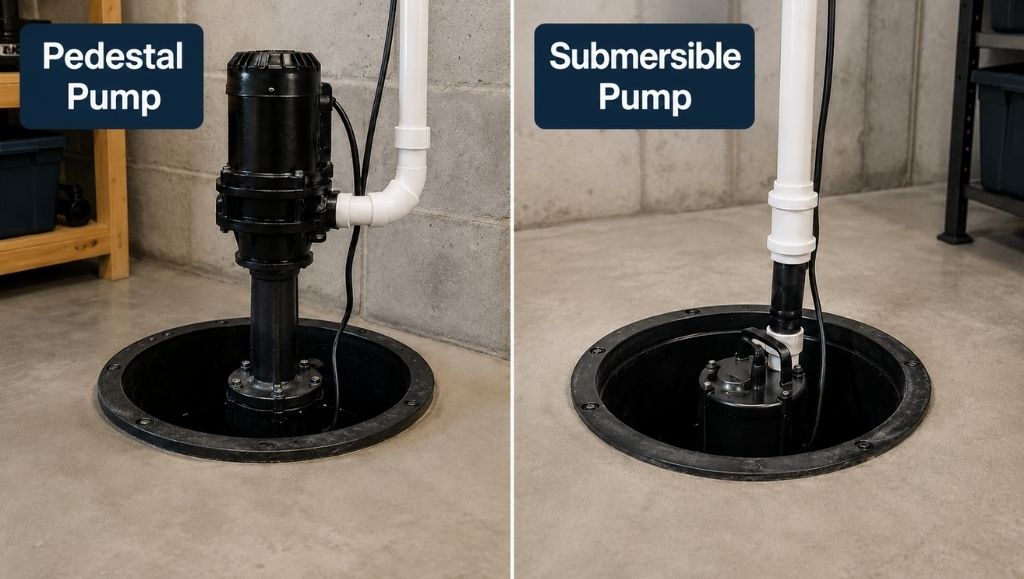
- Type of pump – Pedestal pumps cost less because the motor sits above the pit, making them simple to install. Submersible pumps sit inside the basin, run quieter, and handle heavy groundwater better, but they cost more to put in.
- New system vs. reusing existing parts – If your basement already has a sump pit, discharge line, and outlet in place, the job is faster and cheaper. Starting from scratch often means cutting concrete and running new pipe.
- Drainage setup – Some basements already have interior drains feeding into the sump basin. Others need new drainage channels added, which raises the price but also improves how well the system works.
- Electrical work – Every sump pump needs steady power. Older homes sometimes need a new dedicated circuit or updated outlet to meet code, and a battery backup adds its own wiring.
- Basement access – An open, unfinished basement is easier and cheaper to work in. A finished basement with limited access can mean extra labor to protect floors and walls during the job. A crawl space sump pump follows the same rules, though tight clearance can add to labor time.
- Labor rates – Experienced waterproofing contractors may charge more than a general handyman, but proper installation lowers the chance of the pump failing when you need it most.
Types of Sump Pumps and What They Cost
Picking the right pump depends on your basement, your flood risk, and your budget — and it’s one of the biggest factors in your final sump pump installation cost.
Pedestal Sump Pump
The motor sits above the basin instead of inside it, which makes it easy to reach for repairs.
- Lower cost to buy and install
- Easy to maintain
- Works well for smaller basements
- Runs louder and is more visible than other types
Submersible Sump Pump
This pump sits inside a sealed sump pump basin below the water line, so it runs quietly and handles heavy water better.
- Higher upfront cost than a pedestal pump
- Quieter operation
- Better suited for basements with frequent groundwater problems
Battery Backup Sump Pump
Storms that flood basements are often the same storms that knock out power. A battery backup kicks in automatically if your main pump loses electricity or gets overloaded.
- Adds $600–$1,500 to the project
- Keeps your basement protected during outages
- Worth considering for homes that lose power often
Combination System
This pairs a primary pump with a battery backup in the same basin for the highest level of protection.
- Highest upfront cost of the group
- Backup activates automatically if the main pump fails
- Best fit for homes with a high water table or a history of flooding
Other Costs to Plan For
The pump itself is only part of the project, and these extras are often what separates a low estimate from the real sump pump installation cost. Depending on your basement’s condition, you may also need:
- Permit fees
- Concrete cutting or patching
- Sump pit excavation
- A sump pump check valve to stop water from flowing back in
- Discharge pipe extensions
- Drainage upgrades
- Electrical modifications
- Battery replacement for backup systems down the road
Ask your contractor to walk through these during your first inspection so there are no surprises once the work begins.
Sump Pump vs. French Drain: Which One Do You Need?
Homeowners often mix these two up, but they solve different problems — and in a lot of basements, you actually need both working together.
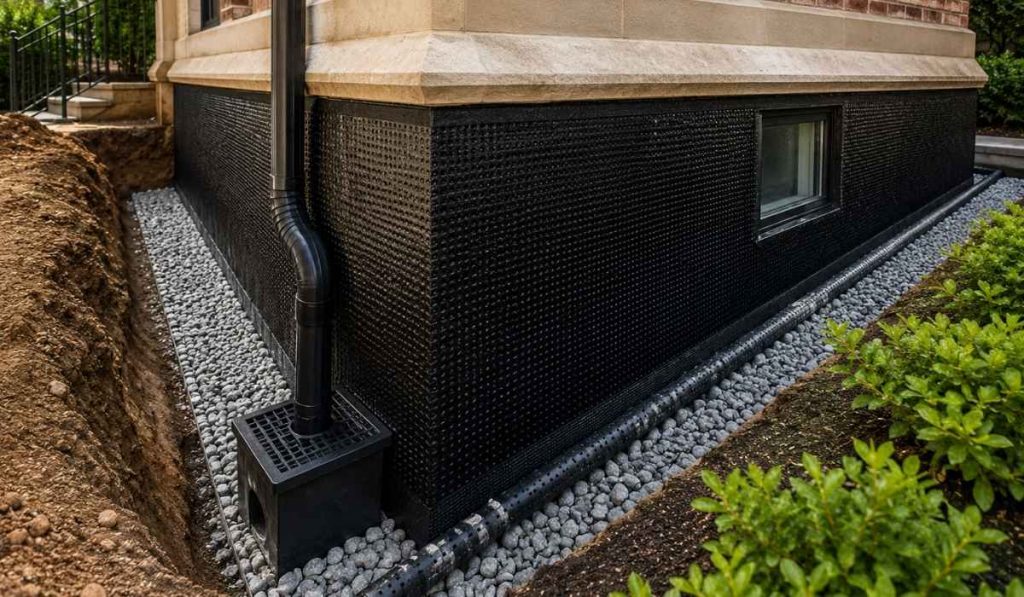
A French drain is a trench filled with gravel and a perforated pipe that collects groundwater before it reaches your foundation and carries it away by gravity. It works best as a first line of defense, catching water early.
A sump pump collects water that has already made it into your basement (often through that same French drain) and actively pumps it out and away from the house. It’s the system that does the final job of getting water out.
| French Drain | Sump Pump | |
|---|---|---|
| How it works | Redirects water by gravity | Actively pumps water out |
| Best for | Preventing water from reaching the basement | Removing water that’s already collected |
| Power needed | No | Yes |
| Typical cost | $50–$250 per linear foot | $800–$3,500 installed |
| Works alone? | Sometimes, on mild grading | Usually needs a drain feeding into it |
Which one should you get? If your basement only gets damp in one spot after heavy rain, a French drain alone might be enough. If you’re dealing with standing water, a high water table, or a finished basement you can’t afford to lose to flooding, you’ll want a sump pump — ideally paired with interior drainage feeding into it. A basement inspection is the best way to know which setup, or combination, fits your home — and it’s the easiest way to get an accurate sump pump installation cost for your specific property.
Signs You Might Need a Sump Pump
Not every basement needs one right away, but catching these signs early can also keep your sump pump installation cost lower by avoiding emergency work later. A few warning signs mean it’s worth looking into before the next big storm:
- Standing water after heavy rain – Usually a sign of poor drainage or pressure building up under the foundation.
- Damp basement walls – Persistent dampness often means moisture is pushing through the concrete itself.
- Musty smells or mold – A damp basement is the perfect place for mold to grow, which can affect indoor air quality.
- Water seeping through cracks – Small leaks at the wall-floor joint often point to rising groundwater pressure.
- Repeat flooding – If your basement has flooded more than once, cleaning it up won’t fix the underlying problem.
How Professionals Install a Sump Pump
A proper installation involves more than dropping a pump into a hole, and understanding the process helps explain why sump pump installation cost varies so much between jobs. Here’s what the process usually looks like:
- Inspection – The contractor checks your basement, foundation, and drainage to find the best spot for the pit.
- Pit preparation – If there’s no basin yet, the crew cuts into the concrete floor and digs a properly sized pit.
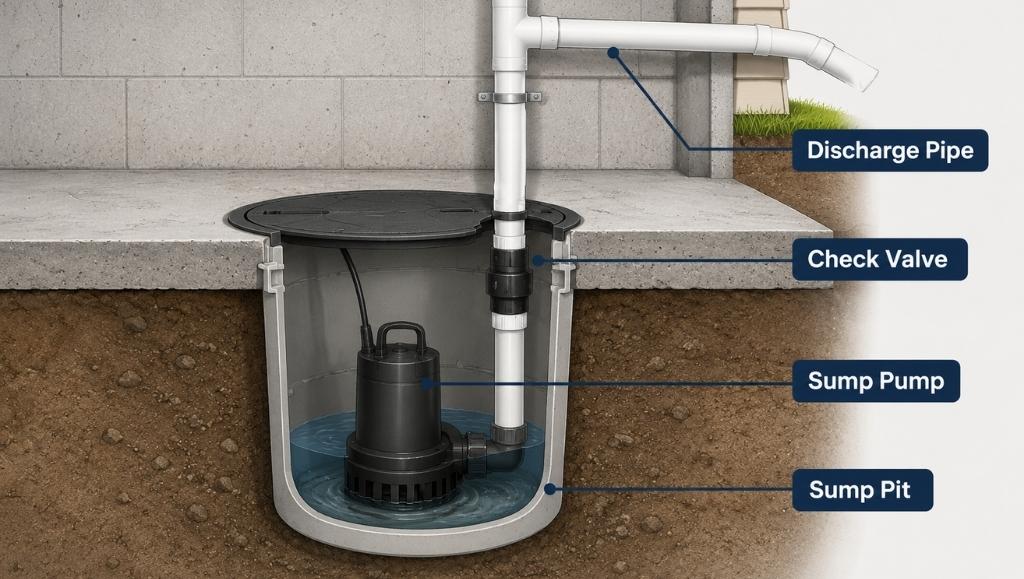
- Pump installation – The pump goes into the basin and connects to the discharge pipe. The sump pump float switch is tested to make sure it triggers correctly.
- Discharge line setup – A pipe carries the water away from your foundation, with a check valve added so water doesn’t flow back in.
- Electrical connection – The pump gets wired to a dedicated outlet, and any battery backup is installed and tested.
- Final testing – Water is added to the basin to confirm the pump turns on, drains properly, and shuts off on its own.
Tips to Keep Installation Costs Down
While every property has different needs, a few practical steps can help lower your sump pump installation cost without sacrificing quality or long-term protection.
- Don’t wait for an emergency. Installing before a flood gives you more time to compare quotes and avoid rush pricing.
- Keep up with maintenance. Small check-ups now can prevent an early, costly replacement later.
- Pick the right size pump. An oversized or undersized pump wastes money and works less efficiently.
- Add the battery backup during the original install. It’s usually cheaper than adding it as a separate job later.
- Hire an experienced contractor. Proper installation lowers the risk of drainage or electrical issues that lead to expensive repairs down the road.
Frequently Asked Questions
How much does sump pump installation cost? Most homeowners pay between $800 and $3,500, depending on the pump type, labor, and how much drainage or electrical work is needed.
How long does installation take? Most jobs are done in a single day. Larger projects with excavation or electrical upgrades may take longer.
Can I install a sump pump myself? It’s possible, but professional installation helps make sure the drainage, wiring, and pump placement all work correctly together — which protects the investment you’re making in your sump pump installation.
Does homeowners insurance cover sump pump installation? Usually not the installation itself, though some policies offer optional water backup coverage for damage caused by pump failure.
How long does a sump pump last? Most pumps last 7 to 10 years with regular maintenance and yearly inspections.
Do I need a battery backup? It’s a smart addition if your area loses power during storms, since that’s often when flooding risk is highest.
Does every basement need a sump pump? Not always, but basements with a history of flooding, high water tables, or frequent moisture problems usually benefit from one.
Final Thoughts
Knowing what to expect for sump pump installation cost makes it easier to plan ahead and protect your home before the next storm hits. While the price depends on your basement’s setup, a properly installed system almost always costs less than repairing a flooded basement, replacing damaged flooring, or dealing with mold.
If your basement shows signs of water intrusion or standing water, don’t wait for the next heavy rain. Royal Empire Builder provides trusted sump pump installation and basement waterproofing services across all five boroughs. Call us today, and we’ll walk you through your options and give you a clear, honest estimate for your home.
Need Help with Your Next Project? Call Royal Empire Builder Today!
Fast responses. Expert advice. Trusted service across NYC and beyond.