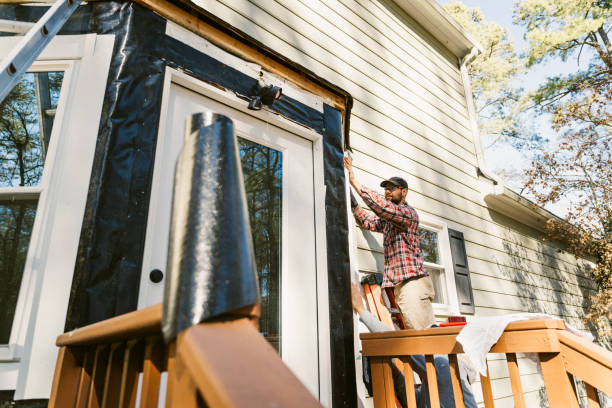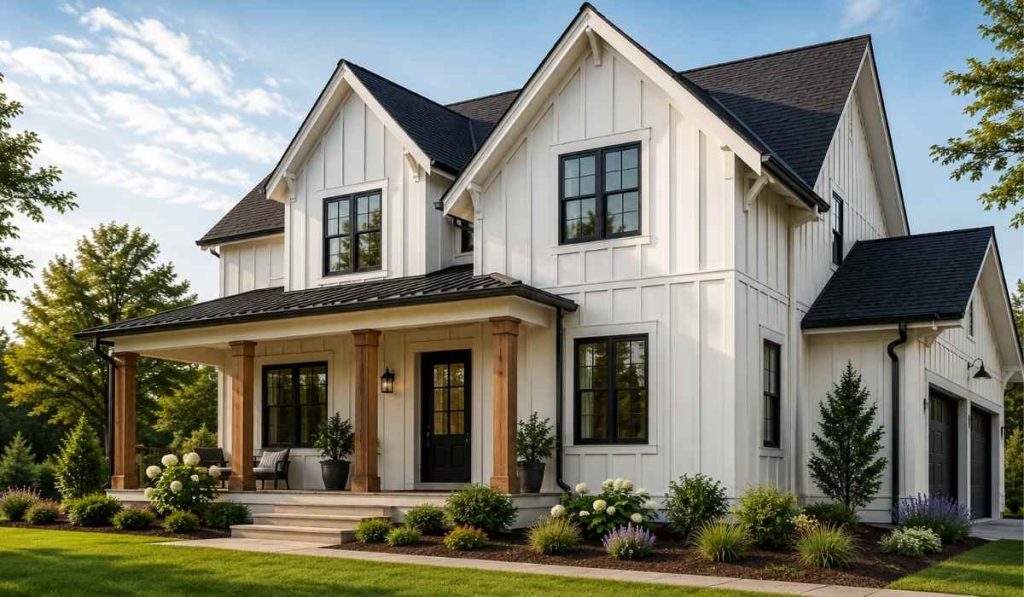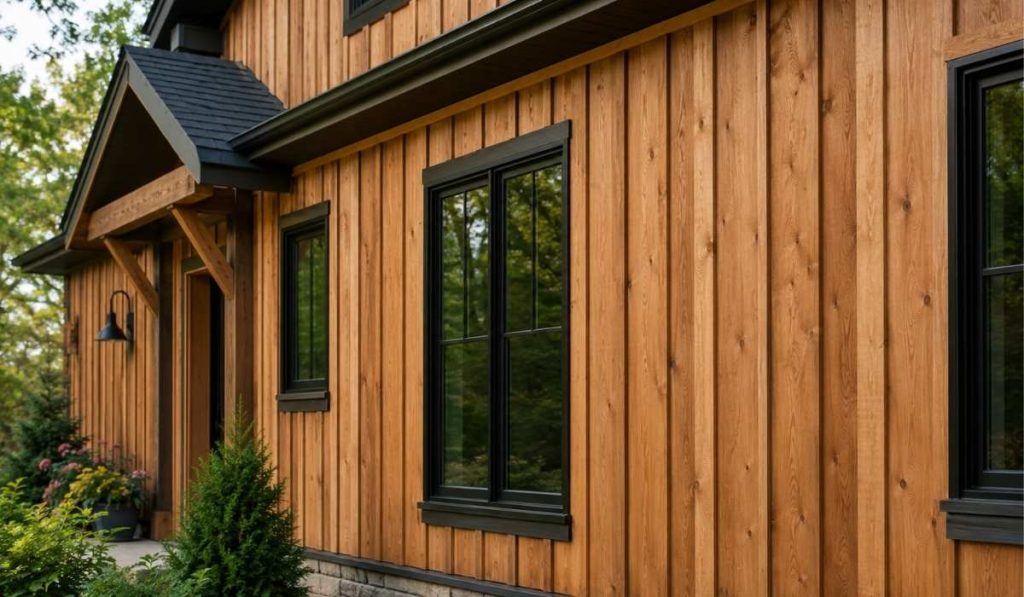
Exterior renovations can transform how a home looks from the street, and few upgrades make as strong a statement as vinyl board and batten siding. Its clean vertical lines give a house a custom, high-end appearance that has made it one of the most requested siding styles among homeowners across New York City. But the appeal isn’t just visual. Vinyl board and batten siding delivers a classic, refined exterior without the ongoing painting, sealing, and repair work that real wood requires year after year.
Even so, not every product or every installer delivers the same result, so it’s worth understanding exactly what you’re paying for before signing a contract. This guide covers what vinyl board and batten siding costs, how well it performs over time, and what to check before hiring a contractor for the job.
What Is Vinyl Board and Batten Siding?
Vinyl board and batten siding is a type of vertical siding designed to look like old-style wood boards with narrow strips running between them. Instead of nailing up separate wood boards one at a time, manufacturers make ready-to-install vinyl panels that already have the raised batten pattern built in.
The vertical lines this siding creates can make a house look taller and give the front of the home a sharper, more defined shape. Many homeowners in Brooklyn, Staten Island, and Queens use it on the whole house, while others save it for just a section, such as:
- Front-facing gables
- Upper floors
- Garage walls
- Entryways
- Home additions
It also pairs well with brick, stone, stucco, or horizontal siding when you want some contrast on the exterior. If you’re still comparing siding styles, our full guide on board and batten siding covers other material options in more detail.
Why Homeowners Choose Vinyl Board and Batten Siding
The vertical look gives a home a clean, updated feel, and it works on almost any type of property, from a modern build to an older farmhouse-style home. It doesn’t overwhelm the exterior the way busier siding patterns can.
Here’s why vinyl board and batten siding has become such a popular pick for homeowners doing an exterior renovation:
- Creates a clean, vertical design that stands out from standard siding
- Needs far less upkeep than real wood
- Never needs staining or sealing
- Resists rot and insect damage
- Comes in a wide range of colors and textures
- Works on a full exterior or just an accent area
- Usually costs less than traditional wood siding
That said, don’t let looks and price be the only two things you consider. Cheaper panels can fade, crack, or start looking uneven within a few years. Working with an experienced siding contractor and choosing a solid product will save you money in the long run and keep your home looking sharp.
Pros and Cons of Vinyl Board and Batten Siding
Every siding material has tradeoffs, and vinyl board and batten siding is no different. Knowing the upside and the downside ahead of time makes it easier to decide if this is the right fit for your home.
Advantages
- Low maintenance – A quick wash now and then is usually all it needs, no repainting required
- Resists rot – It won’t absorb moisture and break down the way wood can
- No painting – Color is baked into the panel itself
- Style options – Available in different textures, shades, and vertical patterns
- Flexible use – Works on a full house or just gables, garages, and upper walls
- Lower long-term cost – You skip the years of painting and sealing expenses
- Insect resistant – Termites and other pests won’t feed on vinyl
Disadvantages
- Fading – Lower-quality panels can lose color after years in direct sun
- Impact damage – A hard hit from a branch, ladder, or tool can crack a panel
- Temperature movement – Vinyl expands in summer heat and contracts in cold weather
- Less natural texture – Some products don’t fully copy the depth of real wood
- Repair matching – Finding the exact same color years later can be tricky
- Installation issues – A rushed or inexperienced install can leave panels loose or wavy
Choosing the cheapest option on the market often leads to these problems down the road. It’s worth comparing warranties, panel thickness, and contractor experience before making a final call, not just the lowest bid.
How Much Does Vinyl Board and Batten Siding Cost?
The cost of vinyl board and batten siding changes quite a bit from one project to the next. A small accent section on the front of a home will typically cost less overall than covering every wall, though smaller areas can still need extra time for cutting and trim work.
A few things that affect your final price:
- Size of the house
- Panel quality and thickness
- Standard versus insulated vinyl
- Local labor rates
- Whether old siding needs to be removed
- Hidden damage behind the old siding
- Number of windows and doors
- Corner and trim details
- Height of the building
- Full-house versus accent installation
| Cost Factor | Effect on Total Price |
|---|---|
| Standard vinyl | Usually the more budget-friendly choice |
| Insulated vinyl | Costs more due to the added foam backing |
| Full-house installation | Needs more panels, trim, and labor hours |
| Accent siding only | Keeps the project area smaller |
| Old siding removal | Adds labor and disposal fees |
| Wall repairs | Can raise the total estimate |
| Extra corners and trim | Requires more detailed finish work |
Ask any contractor for a written estimate that breaks down materials, labor, wall prep, trim, and cleanup. That way you can compare quotes side by side and catch anything a lower bid might be leaving out.
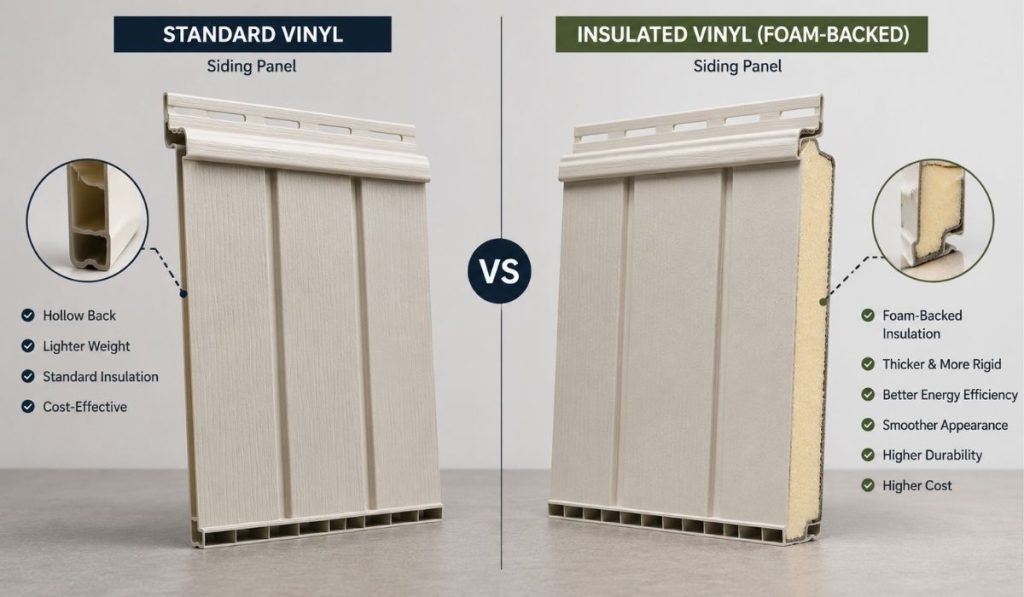
Standard Vinyl vs. Insulated Vinyl
These two options can look nearly identical from the street, but the construction and price are different. Standard panels are lighter and generally cost less upfront. Insulated panels come with a foam backing, which makes them thicker and can help them sit flatter against the wall.
| Standard Vinyl | Insulated Vinyl |
|---|---|
| Lower upfront cost | Higher upfront cost |
| Lighter panels | Thicker, firmer panels |
| Basic exterior coverage | Built-in foam backing |
| Good for tighter budgets | Adds strength and some insulation |
| May show uneven walls more easily | Tends to create a smoother finish |
Insulated vinyl isn’t necessary for every home. It really comes down to your budget, the condition of your existing walls, and whether the extra strength and insulation is worth the added cost.
Best Vinyl Board and Batten Siding Colors
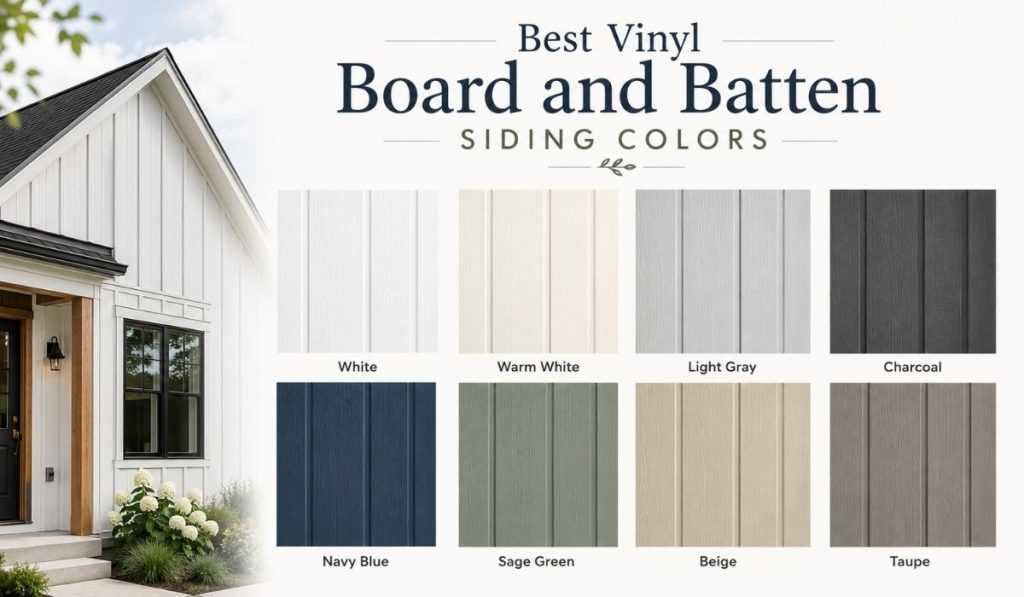
Color choice has a huge impact on the final look of vinyl board and batten siding. Lighter shades give off a bright, traditional feel, while darker tones create a bolder, more modern exterior.
Some of the most requested colors right now include:
- White
- Warm white
- Light gray
- Charcoal
- Navy blue
- Sage green
- Beige
- Taupe
Your siding color should work with your roof, windows, front door, and any brick or stone already on the house. A dark roof often pairs nicely with light gray or warm white siding, while black window frames tend to look sharp against charcoal, navy, or muted green.
Sunlight changes how a color looks, too. A shade that seems soft on a small sample card can look much brighter once it’s covering a full wall. Always check a full-size sample outdoors, in daylight, before you commit.
Common Problems Homeowners Should Watch For
Vinyl board and batten siding has a reputation for being low maintenance, but that doesn’t mean it’s problem-free. Most issues trace back to product quality, weather exposure, impact damage, or a rushed installation.
Fading
Direct sunlight wears down siding color over time. Higher-quality products usually come with stronger fade protection, while cheaper panels can fade faster or unevenly. Dark colors tend to show this more than lighter ones, so it’s worth asking about the color warranty before you buy.
Cracking
A strong impact, like a falling branch, a ladder, or storm debris, can crack a vinyl panel. Cold weather also makes some panels less flexible and more likely to crack. Any cracked section should get replaced quickly, before wind or water reaches the wall behind it.
Loose or Wavy Panels
Vertical siding can look wavy if the wall underneath isn’t flat or if the panels weren’t installed correctly. Panels can also shift if they’re fastened too tightly, since vinyl needs a little room to expand and contract with the weather. A good contractor checks the wall condition before installation and fixes major unevenness first.
Water Around Windows and Doors
Siding alone doesn’t waterproof your entire wall. Windows, doors, corners, and roof edges all need their own protection. If these areas aren’t sealed properly during installation, water can get behind the siding. Watch for stains, peeling paint, damp spots, or a musty smell inside your home, since these are early warning signs.
Difficult Color Matching
Replacing a single damaged panel is usually simple, but finding the exact same color years later can be harder than expected, since manufacturers change product lines and discontinue colors. Keeping the product name, color code, and a few spare panels after your install can save a headache down the road.
Maintenance and Cleaning Tips
Vinyl board and batten siding is low maintenance, not maintenance-free. A little regular care goes a long way toward keeping vinyl board and batten siding in good shape.
- Wash off dirt and grime as it builds up
- Check the siding after major storms
- Look for cracks, gaps, or loose panels
- Remove mildew before it spreads
- Inspect the areas around doors and windows
- Replace damaged panels as soon as you notice them
- Keep plants and tree branches from rubbing against the surface
- Keep pressure washers at a safe distance from the panels
One inspection a year is usually enough for most homes. Clean gently, especially near panel edges and trim, since harsh scrubbing or a pressure washer held too close can force water behind the siding or damage the finish.
What to Check Before You Buy
Not every vinyl siding product is built the same way, so it pays to look past the brochure photos and price tag.
Before making a decision, check for:
- Product warranty
- Color fade warranty
- Panel thickness and strength
- Available trim pieces
- Replacement panel availability
- Manufacturer reputation
- Full-size color samples
- Contractor’s installation experience
- A detailed written estimate
- Cleanup and disposal charges
Ask whether the contractor has installed vertical vinyl siding before, specifically. Vertical panels need careful alignment, and small mistakes tend to stand out more than they would with horizontal siding.
Before signing anything, make sure your estimate spells out:
- Removal of old siding
- Inspection of the exterior wall
- Any minor wall repairs
- Trim work around windows, doors, and corners
- Cleanup and waste removal
- Material warranty
- Labor warranty
A complete written estimate protects you from surprise charges later and makes it much easier to compare one contractor’s quote against another.
Vinyl Board and Batten vs. Wood
Vinyl and wood can create a similar vertical style, but they don’t perform the same way once they’re actually on your house.
| Feature | Vinyl | Wood |
|---|---|---|
| Maintenance | Low | Higher |
| Painting | Rarely needed | Needed regularly |
| Rot resistance | Won’t rot | Can rot over time |
| Appearance | Clean, consistent | More natural texture |
| Cost | Usually lower | Usually higher |
| Insect damage | Resistant | Can be affected |
Vinyl tends to work better for homeowners who want predictable, low-effort upkeep. Wood might be the better fit if you value natural texture and don’t mind painting, sealing, and repairing it on a regular schedule.
Is Vinyl Board and Batten Siding Worth It?
For homeowners who want a vertical, modern exterior without the upkeep that wood demands, vinyl board and batten siding is a solid investment. It comes in plenty of color options, holds up against rot and insects, and works whether you’re covering the whole house or just adding an accent section.
That said, the material is only part of the equation. How the panels perform over time depends just as much on wall preparation, trim detail, and the experience of the crew installing it. Before signing off on any project, compare warranties, look at full-size samples in natural light, and choose a contractor with real, hands-on experience installing vertical siding.
Frequently Asked Questions
Is Vinyl Board and Batten Siding Expensive?
The cost depends on the size of your home, panel quality, labor rates, wall condition, and whether the old siding must be removed. Insulated panels, extra trim, and detailed installation work can also increase the final price.
Does Vinyl Board and Batten Siding Need Painting?
No. The color is built into the panel, so regular painting is not required. Homeowners should still clean the siding and inspect it occasionally for dirt, cracks, or loose sections.
Can Vinyl Board and Batten Siding Cover the Whole House?
Yes. Vinyl board and batten siding can cover the entire exterior or be used only on gables, upper floors, garages, and entryways. Many homeowners use it as an accent to add contrast to horizontal siding, brick, or stone.
Does Dark Vinyl Board and Batten Siding Fade?
Dark vinyl siding may fade over time, especially on walls that receive strong sunlight. Choosing a high-quality product with a good fade warranty can help reduce the risk of noticeable color changes.
Can Damaged Vinyl Board and Batten Panels Be Replaced?
Yes. Individual panels can usually be removed and replaced without changing the entire exterior. Matching an older or discontinued color may be difficult, so keeping a few spare panels from the original installation is a smart idea.
Is Insulated Vinyl Board and Batten Siding Worth the Extra Cost?
Insulated vinyl can be worth the extra cost for homeowners who want firmer panels, a smoother appearance, and added comfort. However, it is not necessary for every home. The best choice depends on your budget, wall condition, and overall project needs.
Need Help with Your Next Project? Call Royal Empire Builder Today!
Fast responses. Expert advice. Trusted service across NYC and beyond.