Your home’s siding does more than improve its appearance; it protects your house from weather, helps with energy efficiency, and plays a major role in your home’s resale value. If you’re planning an exterior upgrade, board and batten siding is one of the most popular styles to consider because it combines timeless design with long-lasting performance.
Originally used on traditional barns and farmhouses, this clean vertical line aesthetic has evolved into a premium choice for modern homes, cottages, and contemporary architecture. Today, homeowners can choose from several durable materials depending on their budget, maintenance preferences, and architectural design goals.
What Is Board and Batten Siding?
Board and batten siding is a vertical siding style made by installing wide boards side by side and covering the spaces between them with narrow strips called battens. This simple design creates a clean, textured appearance while helping protect the home from wind and moisture.
Although this siding style has been around for centuries, it continues to be one of the most popular choices for residential exteriors. Homeowners appreciate its classic appearance, while builders value its versatility because it complements both traditional and modern architectural designs.
Unlike horizontal lap siding, which creates long horizontal lines across a home’s exterior, board and batten siding emphasizes height. The vertical pattern naturally draws the eye upward, making homes appear larger and more elegant.
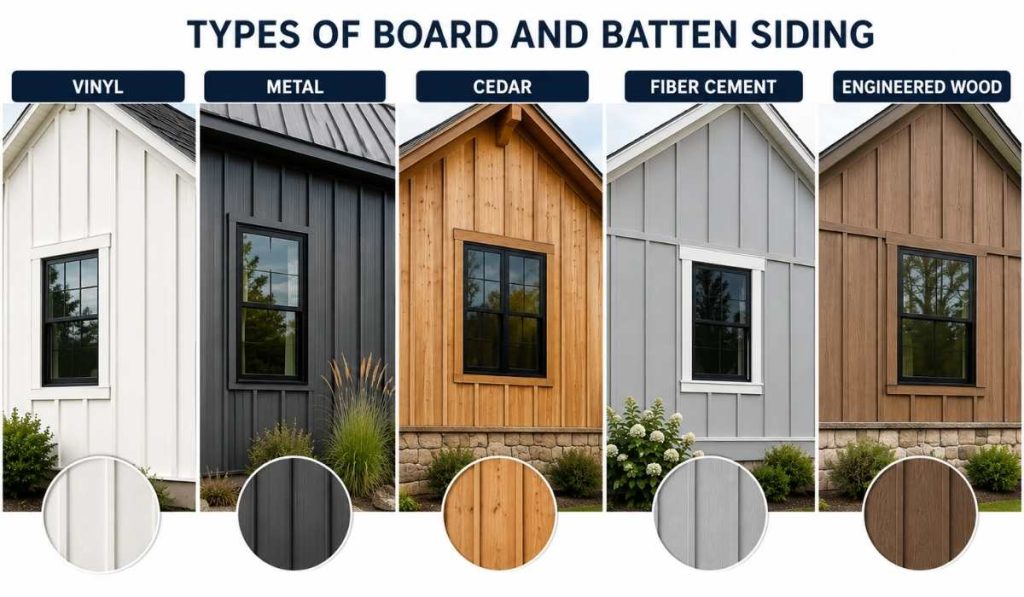
Today, board and batten siding is available in several materials, including:
- Vinyl
- Metal
- Cedar
- Fiber cement
- Engineered wood
Each material offers different advantages in durability, maintenance, appearance, and cost. We’ll briefly compare these options later in this guide before covering the most popular choices in dedicated articles.
Why Homeowners Choose Board and Batten Siding
Planning a full exterior home renovation means finding a balance between design and long-term performance. Working with a professional general contractor to install this layout is incredibly popular because it offers a distinct architectural look and handles harsh weather conditions with minimal upkeep.
1. Instant Curb Appeal and Visual Depth
The primary reason homeowners invest in this style is the immediate boost to curb appeal. Unlike standard horizontal panels, the alternating pattern of wide panels and raised strips breaks up flat exterior walls. It adds shadows, texture, and deep architectural character, giving your house a custom, high-end look.
2. Makes the House Look Taller and Larger
Vertical siding patterns act as a visual trick that naturally draws the human eye upward. This framing makes low-profile ranch houses, small cottages, or single-story properties appear significantly taller and more spacious than they actually are, improving the overall proportions of the home.
3. Solid Weather Resistance and Moisture Protection
This design is built for reliable weatherproofing. Because the narrow battens are fastened directly over the seams of the wide boards, they create a tight, overlapping barrier. This unique layout shields the underlying wall framing from heavy rain, snow, high winds, and costly moisture intrusion.
4. Boosts Your Home Resale Value
Upgrading old, cracked, or faded siding is one of the smartest investments you can make before hitting the real estate market. A fresh board and batten installation gives your property an instant face-lift, which drastically increases home resale value and gives you a strong return on investment (ROI).
5. Endless Customization Options for Any Style
You aren’t locked into a single design blueprint. You can completely change the visual style of your home by choosing different board widths (like 8-inch, 12-inch, or 16-inch sizes), adjusting how far apart the batten strips are spaced, or picking modern paint colors and realistic wood-grain textures.
Popular Board and Batten Siding Styles
One of the reasons board and batten siding remains so popular is its ability to complement many architectural designs. By changing the color, material, or trim details, homeowners can create a completely different look while keeping the same vertical siding pattern.
Here are some of the most common board and batten siding styles.
Modern Farmhouse
The modern farmhouse style has helped make this classic exterior design one of today’s most popular siding choices. Paired with white panels, black-framed windows, dark roofing, and simple architectural details, it creates a bright and timeless appearance that suits both suburban and rural homes.
Contemporary Style
Many modern homes use board and batten siding to create bold vertical lines and minimalist designs.
Contemporary homes often feature:
- Dark exterior colors
- Metal roofing
- Large windows
- Mixed materials like stone or wood
- Simple architectural details
The result is a sleek, sophisticated exterior with strong visual appeal.
Traditional Homes
Board and batten siding is not limited to modern architecture. Many traditional homes use this siding style to add texture without changing the home’s original character. Neutral paint colors and decorative trim help maintain a classic appearance while giving the exterior a fresh update.
Rustic Cabins and Cottages
Natural wood board and batten siding has long been associated with cabins, cottages, and mountain homes. Its vertical design blends beautifully with natural surroundings and pairs well with:
- Stone accents
- Timber beams
- Covered porches
- Large windows
This style creates a warm and inviting exterior that feels connected to nature.
Coastal Homes
Homes near the coast often use board and batten siding because its clean design pairs well with light exterior colors and open outdoor spaces. Soft shades like white, light gray, beige, and pale blue help create a bright, relaxed appearance that reflects coastal living.
Mixed Material Designs
One of today’s fastest-growing exterior design trends combines board and batten siding with other exterior materials.
Popular combinations include:
- Board and batten with stone veneer
- Board and batten with brick
- Board and batten with horizontal siding
- Board and batten with wood accents
Types of Board and Batten Siding Materials
The most common options include vinyl, metal, cedar, fiber cement, and engineered wood. Each material has unique strengths, so understanding the differences can help you make the right choice for your home.
Vinyl Board and Batten Siding
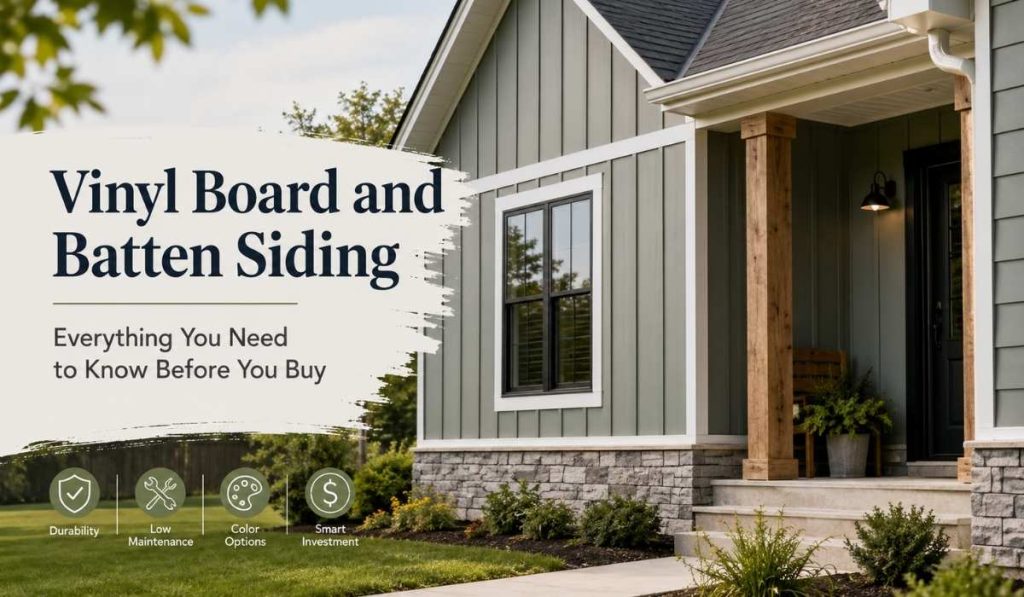
Vinyl board and batten siding is one of the most affordable and widely used options. Made from durable PVC, it is designed to withstand moisture, insects, and everyday weather conditions without requiring frequent maintenance.
Unlike natural wood, vinyl doesn’t need regular painting or staining. It comes in a variety of colors and textures, making it easy to match different home styles.
Best for:
- Homeowners looking for an affordable siding option
- Low-maintenance homes
- Traditional and modern exterior designs
If you’re considering this material, read our detailed guide on Vinyl Board and Batten Siding to learn about its costs, lifespan, maintenance, and installation.
Metal Board and Batten Siding
Metal board and batten siding has become a popular option for homeowners who prefer a clean, contemporary exterior. Most systems are made from steel or aluminum, offering excellent strength and resistance to fire, pests, and harsh weather.
Its sleek appearance pairs well with modern architecture, while its durability makes it a long-lasting investment.
Best for:
- Contemporary homes
- Areas with harsh weather
- Homeowners seeking long-term durability
Our complete guide on Metal Board and Batten Siding explains the differences between steel and aluminum, along with costs and maintenance requirements.
Cedar Board and Batten Siding
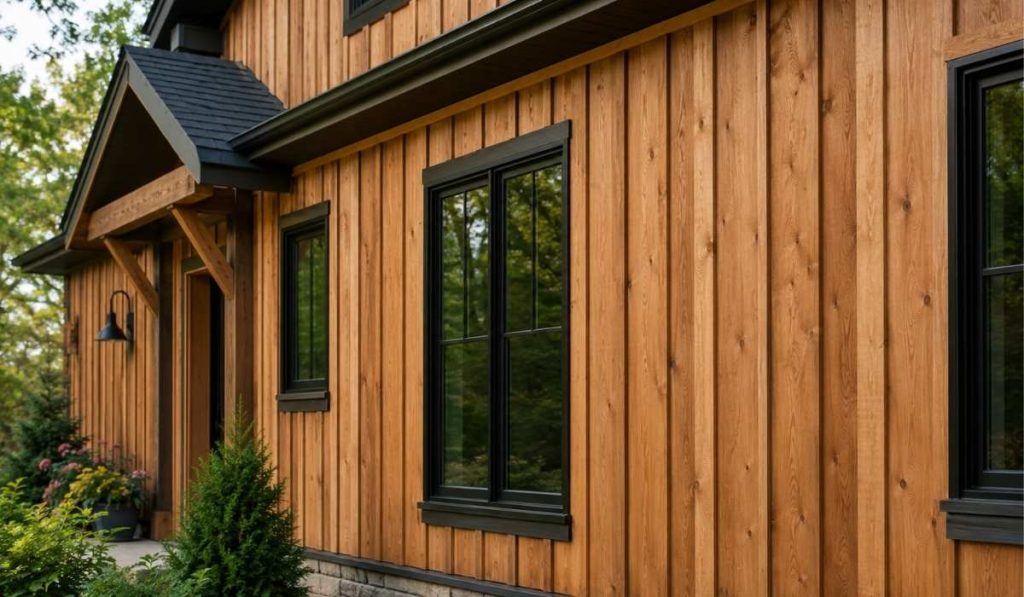
For homeowners who want the warmth and character of natural wood, cedar board and batten siding is a premium choice. Cedar is naturally resistant to insects and decay, making it one of the most durable wood siding options when properly maintained.
Its rich texture and timeless appearance make it a favorite for farmhouses, cabins, cottages, and luxury homes.
Best for:
- Farmhouse-style homes
- Rustic cabins and cottages
- Homeowners who appreciate natural wood
If you’re considering cedar, explore our complete Cedar Board and Batten Siding guide to learn about maintenance, costs, and long-term value.
Fiber Cement Board and Batten Siding
Fiber cement board and batten siding is made from a mixture of cement, sand, and cellulose fibers. It is designed to mimic the appearance of painted wood while offering excellent resistance to moisture, insects, fire, and rot.
Although it is heavier than vinyl and typically requires professional installation, it offers impressive durability and can last for decades with proper care.
Best for:
- Homes exposed to harsh weather
- Homeowners looking for a wood-like appearance
- Long-term durability with moderate maintenance
Engineered Wood Board and Batten Siding
Engineered wood board and batten siding combines wood fibers with advanced resins to create a strong, durable siding material. It offers the natural appearance of real wood while providing better resistance to moisture and pests than traditional wood siding.
Many homeowners choose engineered wood because it balances affordability, durability, and curb appeal.
Best for:
- Homeowners who want the look of wood at a lower cost
- Traditional and rustic home styles
- Moderate maintenance needs
Quick Comparison of Board and Batten Siding Materials
Choosing the right material depends on your priorities. Whether you’re focused on budget, appearance, or long-term durability, this comparison can help you narrow your options.
| Material | Maintenance | Appearance | Durability | Best For |
|---|---|---|---|---|
| Vinyl | Low | Clean and versatile | Good | Budget-friendly, low-maintenance homes |
| Metal | Low | Modern and sleek | Excellent | Contemporary homes and harsh climates |
| Cedar | Moderate | Natural wood beauty | Very Good | Premium residential exteriors |
| Fiber Cement | Low to Moderate | Wood-like finish | Excellent | Homes needing extra durability |
| Engineered Wood | Moderate | Natural wood appearance | Very Good | Homeowners seeking a balance of cost and style |
How Much Does Board and Batten Siding Cost?
The cost of board and batten siding depends on several factors, including the material you choose, your home’s size, labor costs, and the complexity of the installation. While some materials have a lower upfront price, others provide greater durability and may reduce maintenance costs over time.
Understanding what affects pricing can help you plan your project and choose a siding option that fits both your budget and your long-term goals.
Factors That Affect the Cost
Several factors influence the total cost of installing board and batten siding, including:
- The type of siding material
- Size and layout of your home
- Labor and installation charges
- Removal of existing siding
- Trim, insulation, and accessories
- Local building codes and permit requirements
Premium materials generally have higher installation costs, but they often provide better durability and longer service life.
Average Material Comparison
| Material | Price | Cost / Sq. Ft. (Installed) | Maintenance Tasks | Lifespan |
| Vinyl | $ | $5 – $9 | Wash with hose; never needs paint. | 20–40 Yrs |
| Engineered Wood | $$ | $7 – $12 | Paint periodically; seal edges. | 20–30+ Yrs |
| Fiber Cement | $$$ | $6 – $15 | Check caulk; repaint every 10–15 yrs. | 40–50+ Yrs |
| Metal | $$$ | $6 – $16 | Wash annually; check for scratches. | 40–70 Yrs |
| Cedar Wood | $$$$ | $6 – $16+ | Stain or paint every 3–5 yrs. | 25–40+ Yrs |
Keep in mind that proper installation plays a major role in the performance and lifespan of your siding. Choosing quality materials and working with an experienced contractor can help protect your investment for years to come.
Pros and Cons of Board and Batten Siding
Like any exterior siding option, board and batten siding has both advantages and limitations. Knowing what to expect can help you decide whether this style is the right fit for your home.
Pros
- Timeless vertical design that enhances curb appeal
- Works with traditional, farmhouse, and modern homes
- Available in multiple siding materials
- Can improve your home’s resale value
- Durable when professionally installed
- Offers plenty of design and color options
- Suitable for both new construction and exterior renovations
Cons
- Installation can cost more than some horizontal siding styles
- Natural wood options require regular maintenance
- Poor installation may allow moisture intrusion
- Premium materials have higher upfront costs
- Repairs may require matching existing boards or panels
Board and Batten Siding vs. Other Siding Styles
| Siding Style | Best For |
|---|---|
| Board and Batten | Farmhouse, modern, cottages |
| Lap Siding | Traditional homes |
| Shake Siding | Coastal homes |
| Panel Siding | Contemporary homes |
How to Choose the Right Board and Batten Siding Material
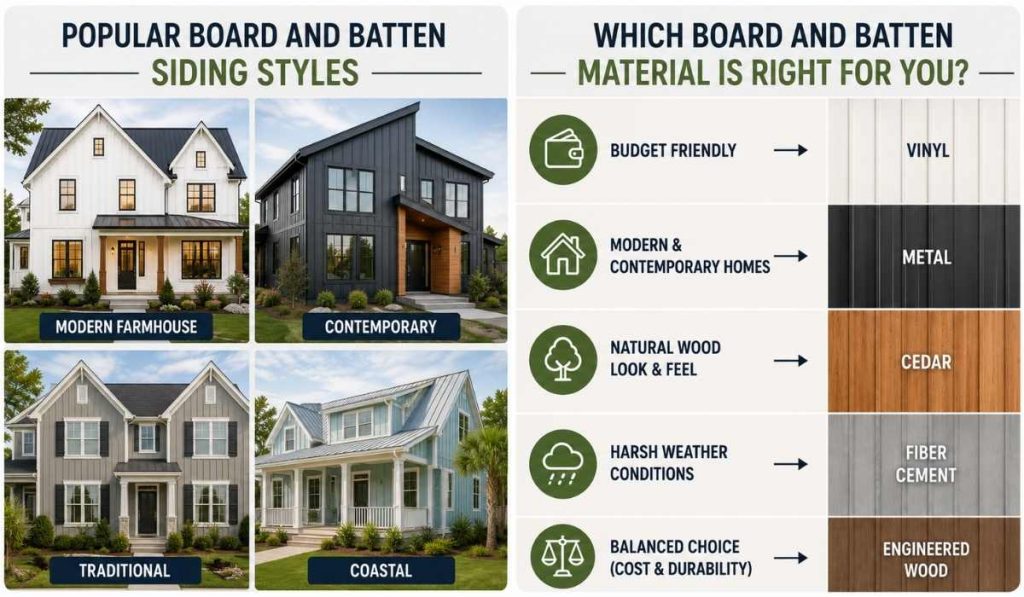
Choosing the best board and batten siding material isn’t just about appearance. The right option should suit your budget, local climate, maintenance expectations, and the overall style of your home.
Before making a decision, consider these important factors.
Consider Your Budget
Your budget will often narrow your options. Vinyl is generally the most affordable choice, while cedar offers a premium appearance at a higher cost. Metal, fiber cement, and engineered wood fall somewhere in between depending on the product and installation requirements.
Think About Maintenance
Every siding material requires a different level of care.
- Vinyl needs occasional cleaning.
- Metal requires very little maintenance.
- Cedar needs regular staining or painting.
- Fiber cement may need repainting over time.
- Engineered wood requires periodic maintenance to maintain its finish.
Choose a material that matches the amount of maintenance you’re willing to perform.
Match the Style of Your Home
The right siding should complement your home’s architecture.
- Vinyl works well with many traditional and modern homes.
- Metal suits contemporary and minimalist designs.
- Cedar enhances farmhouse, cottage, and rustic homes.
- Fiber cement offers a classic painted wood appearance.
- Engineered wood provides the charm of natural wood with added durability.
Consider Your Local Climate
Weather plays an important role in choosing siding. Homes in areas with heavy rain, snow, strong sunlight, or changing temperatures benefit from materials designed to withstand those conditions.
Selecting the right material for your climate can reduce maintenance and help your siding last longer.
Think About Long-Term Value
When planning an exterior home renovation, don’t just look at the initial price tag. Investing a bit more upfront in a low-maintenance material saves you massive amounts of time and money on future repairs. Just remember that even the best siding on the market will fail if it’s cut corners during installation. To protect your investment, make sure it’s put up correctly by a professional and take a walk around your house once a year to check on it.
Is Board and Batten Siding Worth It?
For many homeowners, board and batten siding is a worthwhile investment because it combines attractive design with long-lasting performance. Its vertical layout adds character to almost any home, while the wide range of material options makes it suitable for different budgets and maintenance preferences.
Whether you’re renovating an older property or building a new home, this siding style offers flexibility that many other exterior finishes cannot match.
Frequently Asked Questions
1. Can board and batten siding be installed horizontally?
While it’s traditionally installed vertically, some homeowners use a horizontal variation for a unique look. However, the classic vertical design remains the most popular because it creates a taller, more distinctive appearance.
2. Does board and batten siding make a house look bigger?
Yes. The vertical lines naturally draw the eye upward, making a home appear taller and giving the exterior a more spacious, elegant look.
3. What color is most popular for board and batten siding?
White remains the most popular choice, especially for farmhouse-style homes. Other trending colors include black, charcoal gray, sage green, navy blue, and warm beige.
4. Is board and batten siding suitable for new homes and remodels?
Yes. It works well for both new construction and home renovations. Many homeowners choose this style to update an older exterior and improve curb appeal.
5. Can board and batten siding be mixed with other siding styles?
Absolutely. Many homes combine vertical board and batten with horizontal lap siding, stone veneer, brick, or wood accents to create contrast and highlight architectural features.
6. Does board and batten siding go out of style?
No. It has been used for generations and continues to be one of the most popular siding styles because it complements both traditional and modern homes.
7. Is board and batten siding a good choice for small homes?
Yes. The vertical pattern helps create the illusion of height, making smaller homes look taller and more visually appealing.
Need Help with Your Next Project? Call Royal Empire Builder Today!
Fast responses. Expert advice. Trusted service across NYC and beyond.