Chimney roof flashing repair is one of the most effective ways to stop roof leaks around your chimney and protect your home from water damage. When flashing becomes loose, rusted, or damaged, rainwater can slip into small gaps and travel beneath your roofing materials.
Many homeowners assume their shingles are causing the leak, but chimney flashing is often the real problem. Since a chimney passes through the roof, it creates a vulnerable area where water can enter if the flashing system fails.
Addressing flashing problems early helps improve waterproofing, prevent moisture intrusion, and avoid costly repairs. A professional chimney roof flashing repair can restore the protective seal around your chimney and keep your roof performing properly.
What Is Chimney Flashing?
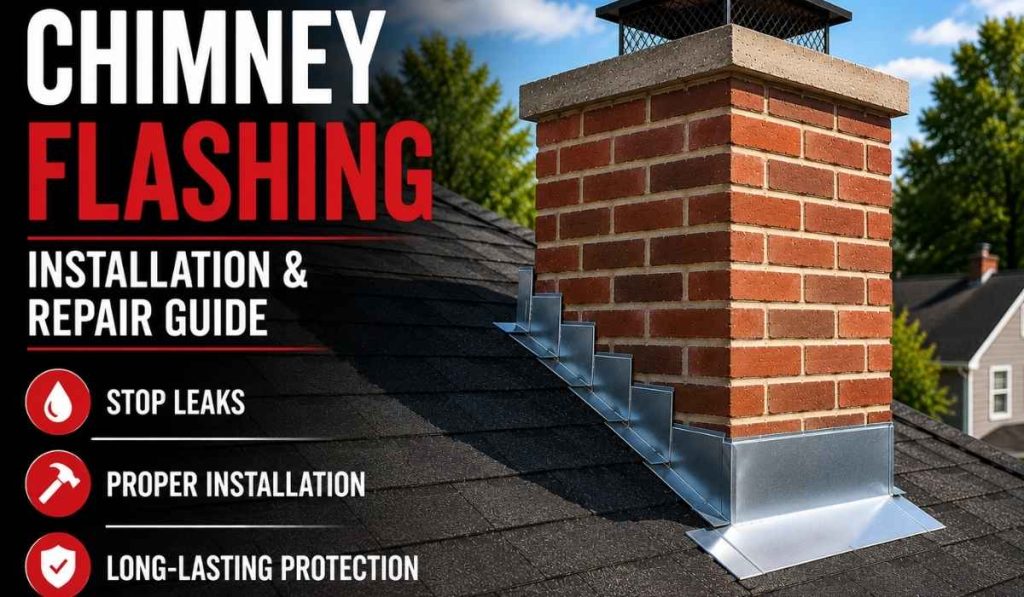
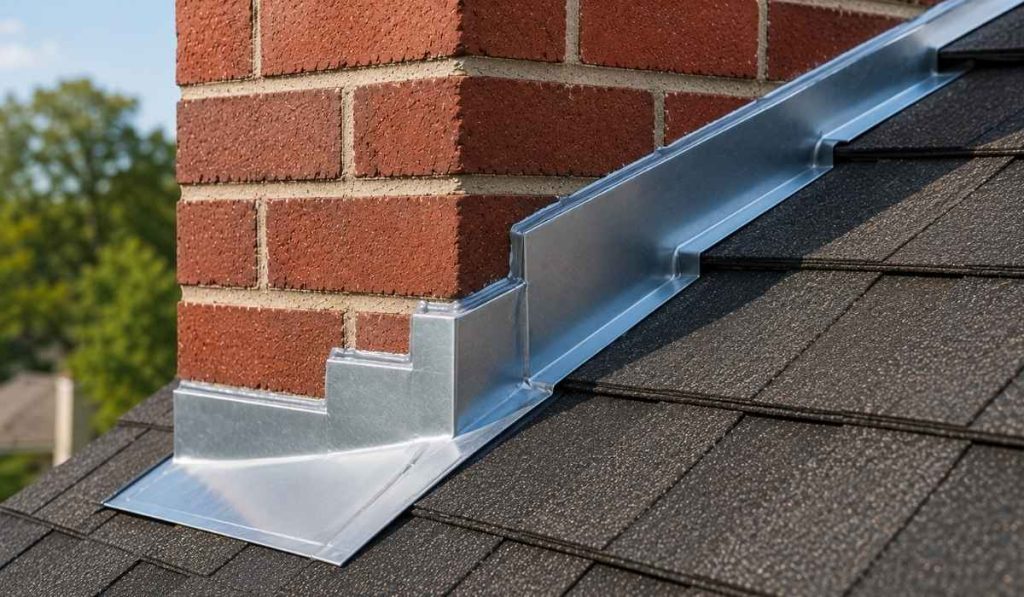
Chimney flashing is a system of metal pieces installed where the chimney meets the roof. Its purpose is to create a waterproof barrier that prevents rainwater from entering the roof structure.
Without flashing, water could easily penetrate the roof joints around the chimney and damage the underlying decking, insulation, and interior ceilings.
Several materials are commonly used for chimney flashing, including:
- Galvanized steel
- Aluminum
- Copper
Galvanized steel is widely used because it is durable and cost-effective. Aluminum is lightweight and resistant to corrosion. Copper is considered a premium option because of its long lifespan and attractive appearance.
A properly installed flashing system directs water away from the chimney and safely onto the roof surface where it can drain away.
Why Chimneys Are the Most Common Source of Roof Leaks
Chimneys are one of the most common locations for roof leaks because they interrupt the roof’s surface. Every roof penetration creates an area that requires extra protection against water intrusion.
The roof and chimney expand and contract at different rates during temperature changes. This movement places stress on flashing materials, sealants, and fasteners.
Over time, exposure to:
- Rain
- Snow
- Ice
- Wind
- UV rays
can weaken the flashing system.
As roofing materials age, the risk of gaps and leaks increases. Even a small opening around the chimney can allow water to enter and spread throughout the roof structure.
Common Signs You Need Chimney Roof Flashing Repair
Many flashing problems can be identified before major damage occurs.
Watch for these warning signs:
- Brown or yellow water stains on ceilings
- Water spots near fireplaces
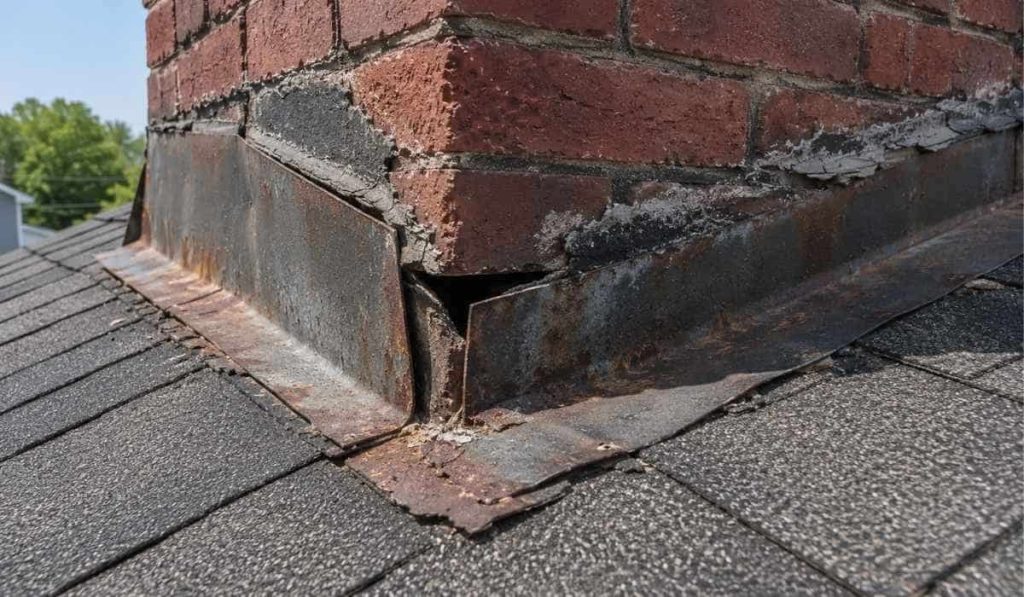
- Rusted metal flashing
- Missing or loose flashing sections
- Cracked or deteriorated sealant
- Musty odors in the attic
- Damp insulation near the chimney
- Visible gaps between flashing and brickwork
If you notice any of these issues, scheduling an inspection can help prevent a small leak from becoming a larger repair project.
What Causes Chimney Flashing Failure?
Weather Damage
Heavy rain, snow, and ice can gradually weaken flashing materials. Repeated exposure to harsh weather often causes sealants to crack and metal components to loosen.
Rust and Corrosion
Metal flashing is constantly exposed to moisture. Over time, rust can develop and create holes that allow water to penetrate the roofing system.
Poor Installation
Improper installation is a common cause of premature flashing failure. Gaps, incorrect fastening methods, and poor sealing can all lead to leaks.
Aging Roofing Materials
As roofs age, shingles, underlayment, and flashing materials naturally deteriorate. Older flashing systems become less effective at keeping water out.
Storm and Wind Damage
Strong winds can lift flashing sections or loosen roofing materials around the chimney. Storm debris can also damage metal flashing and create leak points.
Step Flashing vs Counter Flashing: Understanding the Difference
A chimney flashing system consists of multiple components that work together to keep water away from the roof structure.
What Is Step Flashing?
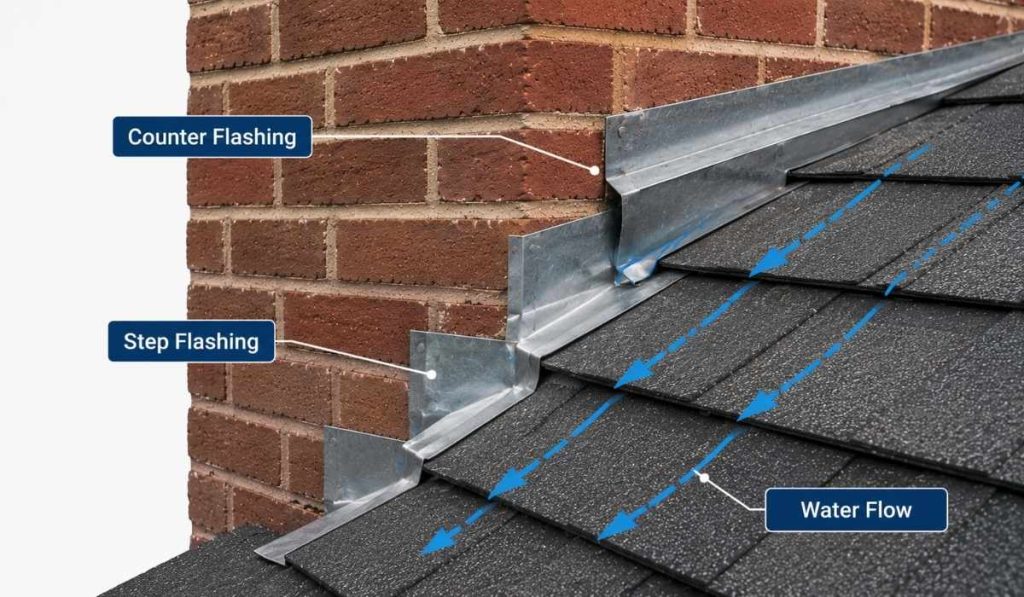
Step flashing consists of small L-shaped metal pieces installed between rows of shingles along the sides of the chimney.
Each piece overlaps the next, creating a layered path that guides water down the roof without allowing it to reach the roof deck.
What Is Counter Flashing?
Counter flashing is installed directly into the mortar joints of the chimney.
It covers the top portion of the step flashing and prevents water from entering behind the flashing system.
How They Work Together to Prevent Leaks
Step flashing and counter flashing work as a two-layer defense system.
Rainwater flows down the chimney surface, over the counter flashing, onto the step flashing, and finally onto the shingles.
When both components are installed correctly, they create a durable waterproof barrier that protects against roof leaks.
Chimney Roof Flashing Repair Process
A professional chimney roof flashing repair typically follows these steps:
- Perform a complete roof inspection.
- Remove damaged flashing materials.
- Replace rusted or deteriorated flashing sections.
- Install new step flashing where needed.
- Secure new counter flashing into mortar joints.
- Apply high-quality waterproof sealant.
- Reinstall shingles around the repair area.
- Conduct a final leak inspection and water test.
The goal is to restore a watertight seal while preserving the surrounding roofing materials.
Chimney Roof Flashing Repair vs Replacement
| Repair | Replacement |
|---|---|
| Minor damage | Severe corrosion |
| Loose flashing | Missing sections |
| Lower cost | Higher investment |
| Faster solution | Long-term solution |
Repair is often the best option when the flashing has minor damage or isolated leaks.
Replacement is usually recommended when flashing is heavily rusted, improperly installed, or nearing the end of its lifespan.
How Much Does Chimney Roof Flashing Repair Cost?
The cost of chimney roof flashing repair depends on several factors:
- Chimney size
- Roof accessibility
- Flashing material
- Extent of damage
- Labor requirements
Minor flashing repairs typically cost between $400 and $700.
More extensive repairs involving partial flashing replacement often range from $700 to $1,200.
A complete chimney flashing replacement may cost between $1,200 and $2,500 or more, depending on the complexity of the project.
A professional inspection is the best way to determine the exact cost.
How Long Does Chimney Flashing Last?
The lifespan of chimney flashing depends largely on the material used.
Typical life expectancy includes:
- Galvanized steel: 20–30 years
- Aluminum: 20–30 years
- Copper: 50 years or more
Several factors can affect longevity, including weather conditions, roof maintenance, installation quality, and exposure to moisture.
Routine inspections can help identify minor issues before they shorten the lifespan of the flashing system.
What Happens If You Ignore a Chimney Flashing Leak?
Ignoring a chimney flashing leak can lead to serious damage over time.
Common problems include:
- Water damage inside the home
- Mold and mildew growth
- Rotting roof decking
- Damaged insulation
- Ceiling and drywall repairs
- Structural deterioration
Because water often travels before becoming visible, damage may continue for months before homeowners notice a problem.
Early chimney roof flashing repair is usually far less expensive than repairing extensive water damage.
Can You Repair Chimney Flashing Yourself?
When DIY May Work
Simple maintenance tasks such as applying sealant to a small exposed crack may provide a temporary solution.
However, these repairs should not be considered permanent fixes.
When You Should Call a Roofing Contractor
Professional help is recommended when:
- Water is entering the home
- Flashing is rusted or detached
- Multiple leak points exist
- Shingles must be removed
- Flashing requires replacement
Working on a roof can be dangerous, and improper repairs often lead to recurring leaks.
How to Prevent Future Chimney Flashing Problems
Preventive maintenance can help extend the life of your flashing system.
Recommended steps include:
- Schedule annual roof inspections
- Remove leaves and debris from the roof
- Check flashing after major storms
- Maintain sealants and mortar joints
- Repair minor damage promptly
Routine maintenance is one of the best ways to avoid expensive roof leak repairs.
When to Call a Professional for Chimney Roof Flashing Repair
You should contact a roofing contractor if you notice:
- Active roof leaks
- Interior water stains
- Rusted flashing
- Missing flashing sections
- Moisture in the attic
- Recurring leak problems
Prompt repairs can prevent further damage and help protect your roof investment.
Frequently Asked Questions
How much does chimney roof flashing repair cost?
Most minor repairs cost between $400 and $700, while major repairs or flashing replacement can range from $1,200 to $2,500 or more.
Can chimney flashing be repaired without replacing it?
Yes. Minor cracks, loose sections, and damaged sealants can often be repaired without replacing the entire flashing system.
How long does chimney flashing last?
Most chimney flashing lasts between 20 and 30 years. Copper flashing may last 50 years or longer with proper maintenance.
What is the best material for chimney flashing?
Copper offers the longest lifespan, while galvanized steel provides an excellent balance between durability and affordability.
Can damaged flashing cause mold growth?
Yes. Water entering through damaged flashing can create moisture problems that encourage mold and mildew growth.
Will homeowners insurance cover chimney flashing damage?
Coverage depends on the cause of the damage and the terms of the policy. Sudden storm-related damage may be covered, while normal wear and tear is often excluded.
How do I know if my chimney flashing is leaking?
Common signs include ceiling stains, attic moisture, rusted flashing, musty odors, and water spots near the fireplace.
Conclusion
Professional chimney roof flashing repair plays an important role in protecting your home from roof leaks, moisture intrusion, and costly water damage. A properly functioning flashing system helps maintain the integrity of your roof by directing water away from vulnerable areas around the chimney.
If you notice water stains, rusted flashing, damp attic conditions, or signs of a roof leak around your chimney, scheduling a professional inspection is the best way to identify the source of the problem. Addressing flashing issues early can help extend the life of your roof, prevent structural damage, and keep your home protected throughout the year.
Need Help with Your Next Project? Call Royal Empire Builder Today!
Fast responses. Expert advice. Trusted service across NYC and beyond.