Understanding house foundation repair is essential for homeowners who want to protect their property’s structural integrity and avoid costly repairs in the future. Home’s foundation is one of its most important structural components. It supports the entire building, distributes weight evenly, and helps maintain long-term stability. When foundation problems develop, they can affect everything from floors and walls to doors, windows, and even the overall safety of the property.
Many homeowners ignore small cracks or minor signs of movement because they seem harmless at first. However, foundation issues often worsen over time, leading to more extensive structural damage and higher repair costs. Understanding the causes, warning signs, and available repair methods can help homeowners take action before problems become severe.
House foundation repair is not always a major construction project. In many cases, early intervention can prevent further deterioration and extend the lifespan of the structure. Whether the issue involves foundation settlement, wall movement, moisture intrusion, or cracking, identifying the root cause is the first step toward an effective solution.
Understanding house foundation repair early can help homeowners avoid costly structural damage and protect the long-term value of their property. Addressing small problems before they become major issues often results in simpler and more affordable repairs.
What Is House Foundation Repair?
House foundation repair refers to the process of correcting structural issues that affect the stability and performance of a home’s foundation. These repairs can range from sealing minor cracks to installing specialized support systems designed to stabilize and strengthen the structure.
Most homes in the United States are built on slab foundations, crawl spaces, or basements. While these foundation types differ in design, they can all experience problems due to soil movement, moisture changes, poor drainage, or construction defects.
The goal of house foundation repair is not only to fix visible damage but also to address the underlying cause of the problem. A successful repair restores structural integrity and helps prevent future movement or deterioration.
Common Causes of Foundation Damage
Foundation problems rarely occur without a reason. Understanding the factors that contribute to damage can help homeowners recognize risks before significant issues develop.
Soil Movement
The soil beneath a home constantly expands and contracts as moisture levels change. During wet periods, soil absorbs water and swells. During dry conditions, it shrinks and pulls away from the foundation.
Over time, this repeated movement can cause the foundation to settle unevenly. Different sections of the home may shift at different rates, resulting in cracks and structural stress that may eventually require house foundation repair.
Poor Drainage
Water is one of the most common causes of foundation damage. Improper grading, clogged gutters, or poorly positioned downspouts can allow water to collect near the foundation.
Excess moisture softens the surrounding soil and reduces its ability to support the structure. As the soil weakens, foundation settlement and movement become more likely.
Tree Roots
Large trees located close to a home can contribute to foundation issues. Tree roots naturally seek moisture and may absorb significant amounts of water from the surrounding soil.
As the soil dries and contracts, gaps can develop beneath sections of the foundation. This can lead to uneven settlement and structural movement.
Freeze-Thaw Cycles
In many regions of the United States, seasonal temperature fluctuations place additional stress on foundations. Water trapped within the soil expands when it freezes and contracts when it thaws.
Repeated freeze-thaw cycles can gradually shift soil and place pressure on foundation walls, particularly in older homes.
Poor Construction Practices
Foundation problems can also result from construction-related issues. Inadequate soil preparation, improper concrete curing, or insufficient reinforcement may reduce the foundation’s long-term performance.
While these issues may not become apparent immediately, they often contribute to settlement and cracking years after construction is completed.
Identifying these causes early can reduce the need for extensive house foundation repair and help homeowners address foundation problems before they become more severe.
Warning Signs Your Home May Need House Foundation Repair
Foundation problems often develop gradually. Recognizing the warning signs early can help prevent more serious structural damage.
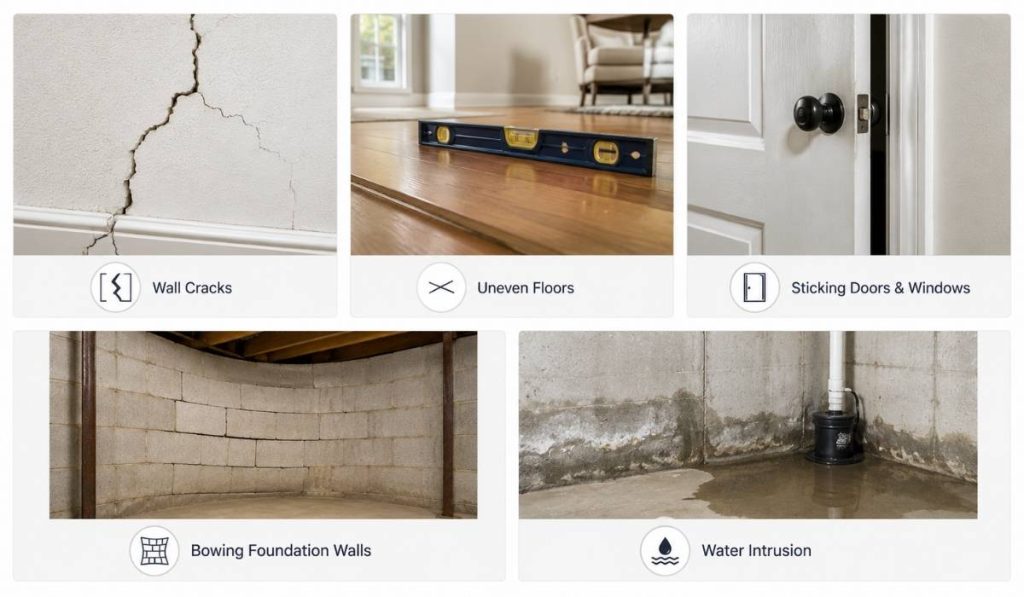
Common signs include:
- Cracks in interior walls or ceilings
- Uneven or sloping floors
- Doors and windows that stick or fail to close properly
- Gaps around window and door frames
- Bowing or leaning foundation walls
- Water intrusion in basements or crawl spaces
Recognizing these warning signs early often makes house foundation repair more effective and less expensive than waiting until major structural damage occurs.
Cracks in Walls and Ceilings
Small drywall cracks may occur naturally as a home ages. However, widening cracks, stair-step patterns, or cracks that repeatedly reappear can indicate foundation movement.
These cracks often develop when sections of the structure settle unevenly, placing stress on walls and ceilings.
Uneven Floors
Floors that feel sloped or uneven are a common indicator of settlement. Homeowners may notice furniture leaning slightly or objects rolling across the floor.
While minor variations are not always cause for concern, significant changes often warrant a professional evaluation.
Sticking Doors and Windows
When a foundation shifts, the framing throughout the home may become misaligned. As a result, doors and windows may become difficult to open, close, or lock.
This issue is often one of the first noticeable signs that house foundation repair may be needed.
Gaps Around Frames
Visible gaps around windows, doors, or exterior trim can indicate that sections of the home are moving independently.
These gaps may also allow moisture and air infiltration, leading to additional maintenance concerns.
Bowing Foundation Walls
Foundation walls are designed to resist soil pressure. However, excessive pressure from saturated soil can cause walls to bow inward over time.
This condition should never be ignored because it can eventually compromise the structural integrity of the home.
Water Intrusion
Persistent moisture in a basement or crawl space may indicate drainage issues that contribute to foundation deterioration.
Water infiltration not only damages building materials but can also increase the likelihood of settlement and structural movement. In many cases, persistent moisture problems eventually lead homeowners to seek professional house foundation repair services to prevent further deterioration.
Foundation Crack Repair: When Cracks Become a Problem
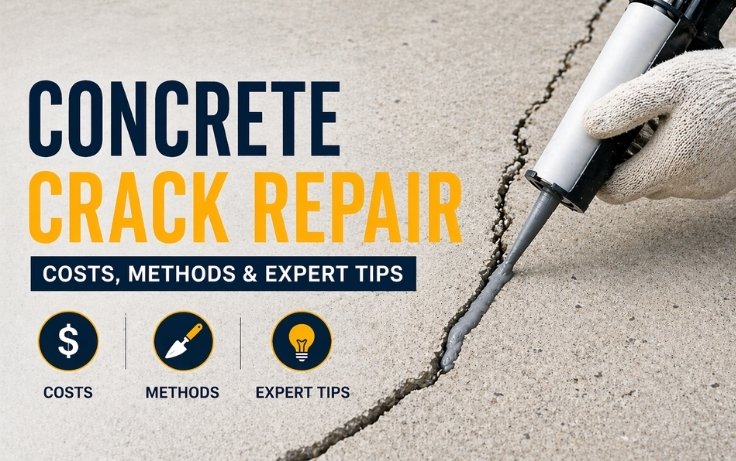
Not all foundation cracks indicate serious structural damage. Concrete naturally develops small cracks as it cures and ages. However, certain crack patterns can signal underlying foundation issues that require attention and may eventually require house foundation repair.
Hairline cracks are generally cosmetic and may not affect structural stability. These cracks are often caused by normal settling or concrete shrinkage. While they should be monitored, they do not always require immediate repair.
Vertical cracks are among the most common foundation cracks. They often result from normal settlement and can usually be repaired if addressed early. However, widening vertical cracks may indicate ongoing movement beneath the foundation.
Horizontal cracks are typically more concerning. They often develop when excessive soil pressure pushes against foundation walls. Over time, this pressure can weaken the wall and increase the risk of structural failure.
Stair-step cracks frequently appear in brick, block, or masonry foundations. These cracks often indicate uneven settlement and should be evaluated by a professional to determine the extent of movement.
| Crack Type | Severity | Typical Action |
|---|---|---|
| Hairline | Low | Monitor |
| Vertical | Moderate | Inspect |
| Horizontal | High | Repair Quickly |
| Stair-Step | Moderate to High | Professional Evaluation |
Some signs that a crack may require immediate attention include:
- Cracks wider than 1/4 inch
- Horizontal foundation cracks
- Stair-step cracks in masonry walls
- Water leaking through foundation cracks
- Cracks that continue to grow over time
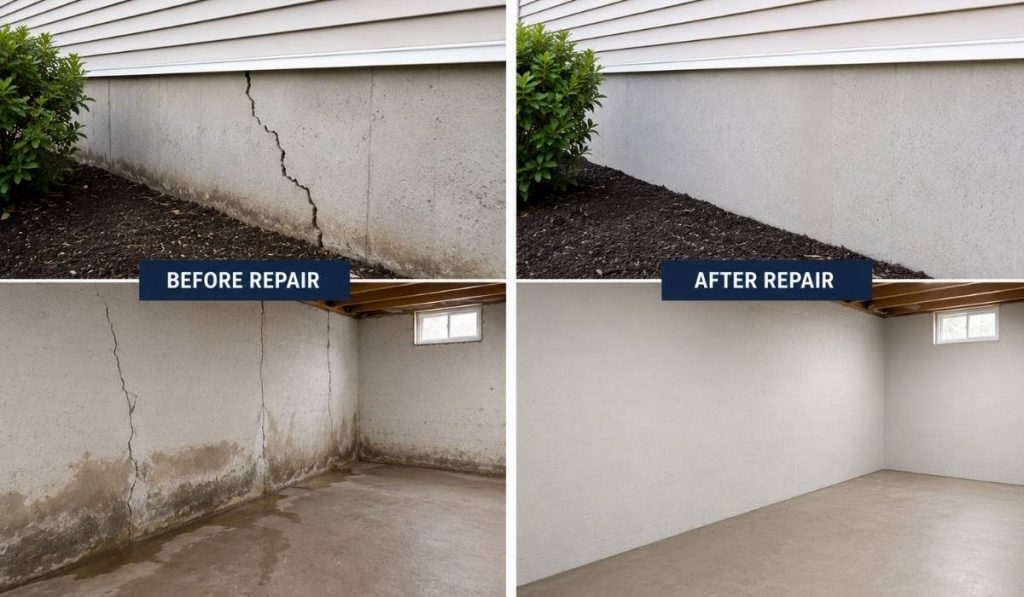
The sooner foundation crack repair is performed, the easier it is to prevent additional structural damage. Waiting too long can allow moisture intrusion, wall movement, and settlement to worsen. In many cases, early house foundation repair can prevent the need for more extensive structural work later.
Foundation Wall Repair Methods
Foundation walls experience significant pressure from surrounding soil. When problems develop, several repair methods may be used depending on the severity of the damage. Professional house foundation repair often includes wall stabilization systems designed to restore structural integrity and prevent further movement.
Wall Anchors
Wall anchors are commonly used when foundation walls begin bowing inward. These systems connect the wall to stable soil further away from the foundation.
Over time, the anchors help stabilize the wall and may gradually restore it to its original position.
Carbon Fiber Reinforcement
Carbon fiber straps provide a low-profile solution for strengthening foundation walls. These high-strength materials are bonded directly to the wall surface.
Because carbon fiber is lightweight and extremely durable, it is often used when wall movement is detected early.
Steel Braces
Steel braces offer additional support for walls experiencing significant pressure. These systems help prevent further movement and reinforce structural stability.
Steel reinforcement is often recommended when wall deflection has already become noticeable.
Rebuilding Damaged Sections
In severe cases, portions of a foundation wall may need to be rebuilt. This approach is typically reserved for extensive deterioration caused by moisture damage, structural failure, or long-term neglect.
Although more involved than other repair methods, rebuilding can restore the foundation’s strength and long-term performance.
Most Common House Foundation Repair Solutions
Every foundation problem is unique, which is why repair methods vary depending on soil conditions, structural design, and the extent of damage. Choosing the right house foundation repair solution depends on identifying the root cause of the problem rather than simply treating the visible symptoms.
Underpinning
Underpinning strengthens an existing foundation by extending support deeper into stable soil layers.
This method is often used when homes experience significant settlement or when the original soil can no longer adequately support the structure.
Helical Piers
Helical piers are steel shafts with screw-like plates that are driven into the ground beneath the foundation.
They are commonly used in areas with unstable soil and can provide immediate stabilization for settling foundations.
Push Piers
Push piers are hydraulically driven deep into load-bearing soil or bedrock. Once installed, they transfer the weight of the structure away from weak soil.
This method is frequently used for homes experiencing severe settlement issues.
Slab Jacking
Slab jacking, sometimes called mudjacking, is used to lift and level sunken concrete slabs.
A specialized material is injected beneath the slab, filling voids and raising the surface back to its original position.
This solution is often used for driveways, patios, sidewalks, and certain slab foundations.
Drainage Improvements
Many foundation issues are directly related to water management. Improving drainage can often prevent further movement and reduce future repair needs.
Common drainage improvements include:
- Grading corrections
- French drains
- Gutter extensions
- Surface drainage systems
- Waterproofing solutions
Addressing moisture problems is often just as important as repairing visible structural damage. Many successful house foundation repair projects include drainage improvements to help prevent future foundation movement.
Foundation Repair Cost Factors
The cost of foundation repair varies significantly from one project to another. Rather than focusing on specific pricing, homeowners should understand the factors that influence repair expenses.
The severity of damage plays a major role. Minor crack repairs are typically less expensive than extensive structural stabilization projects.
Foundation type also affects repair complexity. Basement foundations, crawl spaces, and concrete slabs each present unique challenges that influence labor and materials.
Soil conditions are another important factor. Homes built on expansive clay soils or unstable ground may require more advanced repair solutions.
Accessibility can impact project costs as well. Limited access around the structure may require additional labor and equipment.
Finally, the repair method selected will influence the overall investment required.
| Factor | Impact on Cost |
| Crack Severity | Moderate |
| Foundation Size | High |
| Soil Conditions | High |
| Repair Method | High |
| Accessibility | Moderate |
Factors that typically increase repair costs include:
- Extensive structural movement
- Large foundation cracks
- Poor soil conditions
- Water damage around the foundation
- Complex stabilization systems
Understanding these factors helps homeowners make informed decisions when evaluating repair options and contractor recommendations. Whether the project involves minor crack repairs or major stabilization work, understanding the scope of the problem helps homeowners plan for a successful repair outcome.
Can You Prevent Foundation Problems?
While not every foundation issue can be avoided, homeowners can take several proactive steps to reduce the risk of damage and costly repairs. Preventive maintenance is one of the most effective ways to minimize the need for extensive house foundation repair in the future.
Some of the most effective preventive measures include:
- Maintain proper grading around the home so water flows away from the foundation.
- Clean gutters and downspouts regularly to prevent water buildup near foundation walls.
- Install downspout extensions to direct runoff away from the structure.
- Monitor soil moisture levels during extended dry periods.
- Schedule regular inspections to identify early signs of foundation movement.
Proper drainage remains one of the most important factors in foundation health. When water consistently accumulates near the home, the soil can become unstable and place additional pressure on foundation walls.
Homeowners should also pay attention to landscaping. Large trees planted too close to the house can affect soil moisture levels and contribute to uneven settlement over time.
Regular maintenance is often less expensive than major foundation repair. Identifying small issues early can help prevent larger structural problems and reduce the likelihood of costly house foundation repair projects later.
When Should You Call a Foundation Repair Professional?
Some foundation issues require immediate professional attention. Ignoring warning signs can allow damage to spread throughout the structure and increase repair costs.
Consider contacting a foundation specialist if you notice:
- Large or widening foundation cracks
- Horizontal or stair-step cracks
- Significant floor sloping
- Bowing foundation walls
- Water entering the basement or crawl space
- Doors and windows that suddenly stop functioning properly
- Recurring cracks that return after repairs
A professional inspection can determine whether the issue is cosmetic or structural. Modern inspection methods help identify the root cause of the problem and recommend the most effective repair solution.
The sooner foundation problems are addressed, the greater the chance of preventing extensive structural damage. Early house foundation repair can often stop minor issues from developing into major structural concerns.
Frequently Asked Questions
What causes foundation damage in homes?
Foundation damage is commonly caused by soil movement, poor drainage, excessive moisture, drought conditions, tree roots, freeze-thaw cycles, and construction-related issues. These factors can cause the soil beneath a home to shift, leading to settlement and structural movement.
Are foundation cracks always serious?
No. Small hairline cracks are often the result of normal concrete shrinkage and settling. However, horizontal cracks, stair-step cracks, and widening cracks may indicate structural concerns that require professional evaluation.
How do I know if I need house foundation repair?
Common signs include wall cracks, uneven floors, sticking doors and windows, foundation wall movement, and water intrusion. If these symptoms worsen over time, a professional inspection is recommended.
What is the most common foundation repair method?
The most common repair methods include helical piers, push piers, underpinning systems, slab jacking, and drainage improvements. The appropriate solution depends on the type and severity of the foundation problem.
Can foundation problems affect home value?
Yes. Unresolved foundation issues can significantly impact a property’s value because buyers often view structural problems as a major risk. Addressing foundation concerns early can help protect both safety and resale value.
Can poor drainage cause foundation damage?
Absolutely. Water accumulation around a home’s perimeter can weaken supporting soil, increase hydrostatic pressure, and contribute to settlement, cracking, and foundation wall movement.
How often should a foundation be inspected?
Most homeowners should visually inspect their foundation at least once a year. If the property is located in an area with expansive soils, frequent moisture changes, or previous foundation issues, more regular inspections may be beneficial.
Conclusion
Your home’s foundation supports everything above it, making its condition critical to long-term structural stability. While small cracks and minor settlement may seem harmless, they can sometimes signal larger problems developing beneath the surface.
Understanding the causes of foundation damage, recognizing warning signs early, and selecting the right repair approach can help homeowners avoid costly structural issues. Whether the problem involves foundation crack repair, foundation wall repair, or more extensive stabilization work, early action is often the most effective solution.
House foundation repair is ultimately an investment in the safety, value, and longevity of your property. By maintaining proper drainage, monitoring for signs of movement, and addressing concerns promptly, homeowners can protect their foundations and reduce the likelihood of major repairs in the future.
Investing in professional house foundation repair when problems first appear can help prevent further structural damage and preserve the long-term value of your home. With proper maintenance and timely repairs, homeowners can significantly reduce future house foundation repair needs while protecting one of their property’s most important structural components.
Need Help with Your Next Project? Call Royal Empire Builder Today!
Fast responses. Expert advice. Trusted service across NYC and beyond.