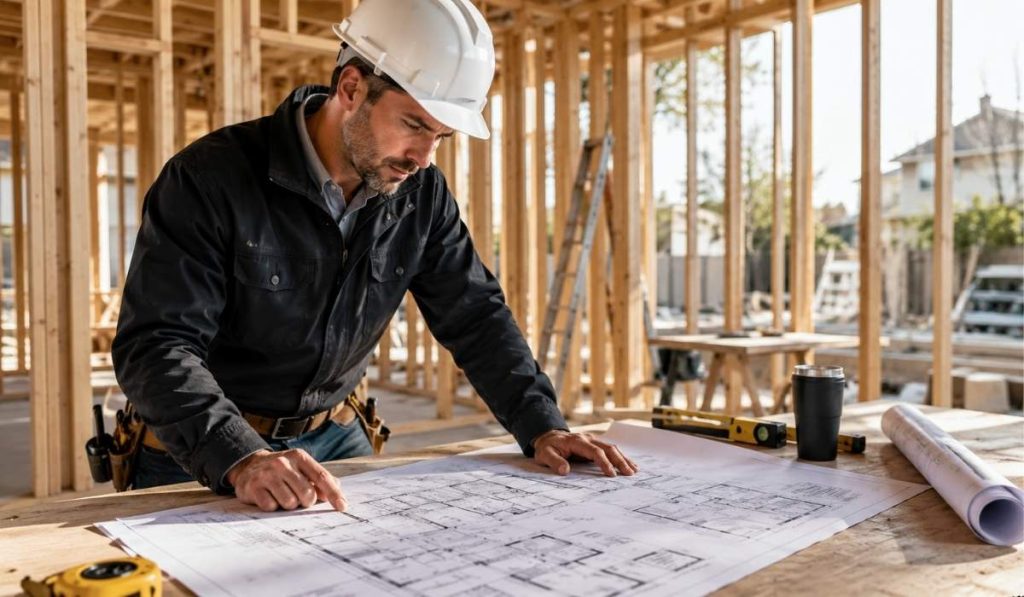
Accessory Dwelling Units are becoming a practical housing option for many New York City homeowners. An ADU can create a private home for family members, provide long-term rental income, or make better use of an underused basement, attic, garage, or backyard. However, ADU construction in NYC must follow local zoning, building, fire-safety, and permit requirements. This guide explains the costs, rules, approvals, and construction process for homeowners in Manhattan, Brooklyn, Queens, the Bronx, and Staten Island.
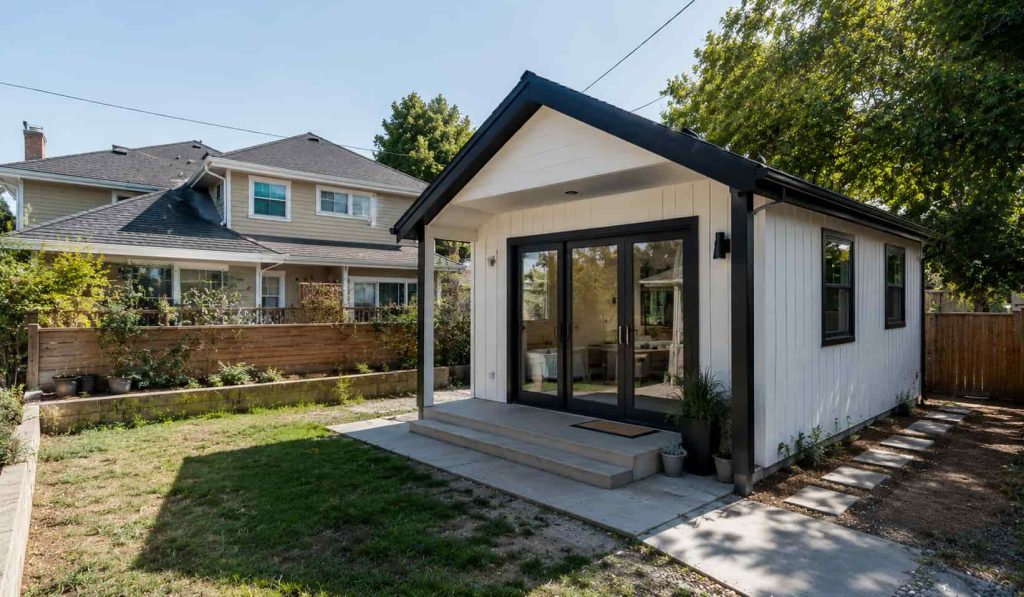
An Accessory Dwelling Unit, also called an Ancillary Dwelling Unit or ADU, is a small, self-contained home built on the same zoning lot as an existing one- or two-family house. It has its own kitchen, bathroom, entrance, sleeping area, and basic utility services. Under current NYC rules, an ADU can be no larger than 800 square feet, and only one ADU is generally allowed for each eligible one- or two-family residence.
What Makes ADU Construction Unique?
ADU construction is different from building a new home because it must follow both state rules and local zoning laws. It also takes place on an existing property, so the new unit must fit the available space, connect to current utilities, and match the main house.
ADUs can also cost more per square foot because major expenses like permits, foundations, kitchens, bathrooms, and utility connections are still required, even for a smaller building.
ADU Rules and Eligibility in NYC
New York City allows one ADU on many eligible properties with an existing one- or two-family home. The unit must be located on the same zoning lot as the main house, have a separate entrance, and meet all zoning, building, fire-safety, light, ventilation, and occupancy rules. An NYC ADU can contain up to 800 square feet of zoning floor area. At the time the ADU is first occupied, the property must also be the primary residence of one of the owners.
Eligibility depends on the property’s zoning district, lot size, building layout, flood risk, and the type of ADU being planned. Detached backyard units, basement conversions, attic apartments, garage conversions, and attached additions may not be allowed on every lot. Some areas also have extra restrictions to protect properties from flooding and preserve neighborhood conditions. Homeowners should confirm their property’s eligibility before paying for full architectural plans or starting construction.
Common Types of ADU Construction in NYC
The right construction method depends on the available space, budget, property access, and zoning requirements.
Stick-built ADU: The entire unit is built on-site using traditional construction methods. It offers more design flexibility and may be a better choice for narrow, irregular, or difficult NYC lots.
Interior conversion: An existing basement, attic, or other suitable area is converted into a separate living unit. This option may reduce the amount of new exterior construction, but the space must meet legal requirements for access, ceiling height, light, ventilation, and fire safety.
Attached ADU: A side or rear addition is built as part of the main home. This option keeps the new unit connected to the existing structure and may make utility connections easier.
Detached ADU: A separate backyard cottage or small residential building is constructed away from the main house. It may offer more privacy, but the lot must have enough space and meet rules for yards, access, height, and building separation.
Garage conversion: An existing garage is changed into a legal living unit. The structure may need major upgrades to the foundation, insulation, windows, utilities, fire protection, and interior layout.
Modular or prefabricated ADU: Parts of the unit are built off-site and assembled on the property. This method may reduce on-site construction time, but the design must still comply with NYC zoning, building codes, permits, and inspection requirements.
ADU Construction Process in NYC
Building an ADU in NYC involves planning, approvals, construction, inspections, and final occupancy clearance. The exact steps depend on whether the project is a basement conversion, garage conversion, attached addition, or detached backyard unit.
1. Check Property Eligibility
A licensed architect or engineer reviews the zoning district, lot size, building type, flood risk, access, utilities, and available space. This helps confirm whether the property can legally support an ADU.
2. Plan the Design and Budget
The homeowner chooses the ADU layout, size, entrance, utilities, and intended use. At this stage, the project budget and financing should also be confirmed.
3. Prepare and Submit Plans
A licensed professional prepares the required site plans, floor plans, structural drawings, utility layouts, and safety details. The application is then submitted to the NYC Department of Buildings for review and approval.
4. Prepare the Site
After permits are issued, the contractor prepares the work area. This may include removing old concrete, clearing vegetation, protecting the main house, locating utilities, and marking the construction area.
5. Complete Structural and Utility Work
For new ADUs, crews complete excavation, foundations, framing, roofing, windows, and exterior finishes. Plumbing, electrical, sewer, and HVAC systems are also installed or upgraded.
6. Finish the Interior
Insulation, drywall, flooring, cabinets, bathroom fixtures, lighting, appliances, and paint are added. The unit must include a safe entrance, kitchen, bathroom, and living space.
7. Final Inspections and Approval
The completed ADU must pass all required building, plumbing, electrical, and safety inspections. The unit cannot be legally occupied or rented until the proper occupancy approval is issued.
How Weather Conditions Impact ADU Construction
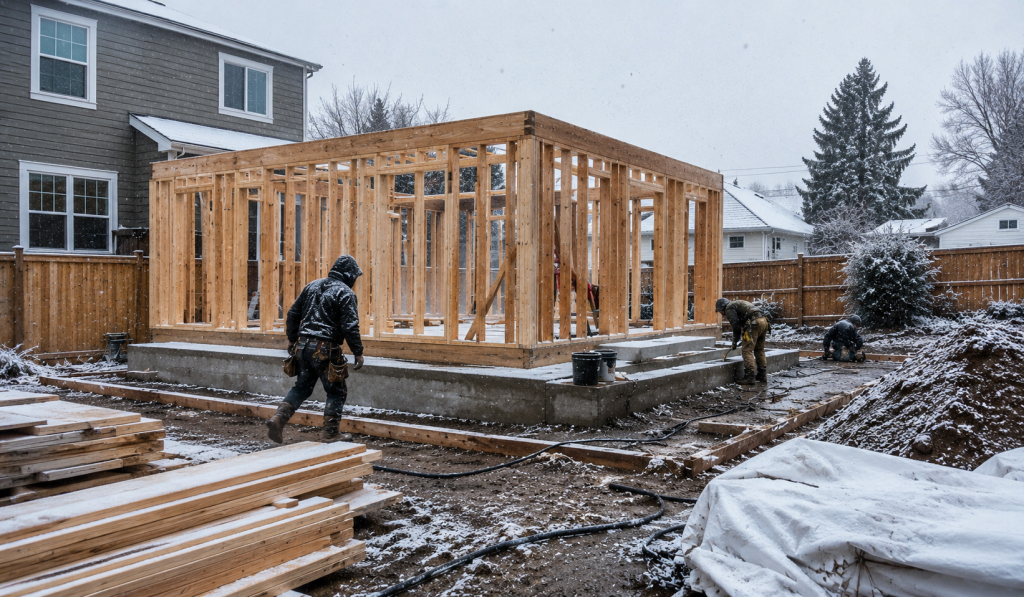
NYC weather can slow down an ADU project, especially during winter.
- Frozen ground: Excavation, utility trenching, and foundation work may take longer.
- Cold concrete conditions: Concrete may need heated enclosures, insulated blankets, or special additives to cure properly.
- Snow and ice: Deliveries, site access, and daily construction work can become more difficult.
- Seasonal restrictions: Some towns may limit street excavation during colder months, which can delay utility connections.
- Slower productivity: Framing and roofing may continue, but work often moves more slowly in harsh weather.
Experienced ADU contractors can plan around these issues, manage permits and utility connections, and adjust the schedule to reduce delays.
Understanding ADU Construction Costs in NYC
The cost of ADU construction in NYC depends on the unit’s size, location, design, existing property conditions, and utility needs. A basement conversion may cost less than a detached backyard unit, but every project still requires professional plans, permits, labor, materials, and inspections. NYC guidance groups these expenses into soft costs, such as design and permits, and hard costs, such as construction labor, equipment, and materials.
Main ADU Project Costs
- Design and engineering: Architects and engineers prepare site plans, structural drawings, utility layouts, and code documents.
- Permits and approvals: Applications, DOB filings, inspections, and other required reviews add to the project budget.
- Site preparation: Demolition, excavation, grading, drainage work, and foundation preparation may be needed before construction begins.
- Utility connections: Water, sewer, electrical, heating, cooling, and ventilation systems may need to be installed or upgraded.
- Construction and finishes: The main building cost includes framing, roofing, insulation, windows, plumbing, electrical work, flooring, cabinets, fixtures, and appliances.
Factors That Can Increase the Cost
ADU costs may rise when a property has narrow access, poor drainage, structural damage, flood-related limits, difficult soil conditions, or outdated utility systems. Fire-rated materials, sprinklers, waterproofing, electrical upgrades, and custom finishes can also increase the final price.
Because every NYC property is different, homeowners should request a site review and detailed estimate before choosing a design. Official NYC ADU resources also note that site connections and property-specific work may not be included in a standard construction estimate.
Practical Ways to Reduce ADU Construction Costs
Careful planning can help homeowners control ADU construction expenses without sacrificing quality. Choosing a smaller design, simplifying the floor plan, and minimizing complex structural features can reduce both labor and material costs. Positioning the ADU close to existing utility lines can lower excavation and connection expenses. Selecting standard finishes instead of highly customized options can also help keep the project within budget.
Working with an experienced design-build team is one of the most effective ways to save money. Professionals familiar with local zoning, permitting, and ADU construction requirements can help avoid costly mistakes, reduce delays, and keep the project moving efficiently from planning through completion.
Frequently Asked Questions
Can I build an ADU on my NYC property?
Eligibility depends on your property’s zoning district, lot conditions, existing home, flood risk, and other NYC requirements. A property-specific zoning and code review should be completed before starting ADU construction.
How much does ADU construction cost in NYC?
The cost varies depending on the ADU type, size, existing conditions, utility upgrades, structural work, permits, and interior finishes. A basement conversion, garage conversion, and detached ADU can have very different project costs.
What is the maximum ADU size in NYC?
An ADU can contain up to 800 square feet of zoning floor area. The final size may also depend on the property’s zoning and applicable building requirements.
Do I need a permit for ADU construction in NYC?
Yes. ADU construction requires the appropriate NYC Department of Buildings approvals and must comply with applicable zoning, building, fire-safety, and other code requirements.
Can I build an ADU in my basement, attic, garage, or backyard?
Potentially. ADUs can take different forms, including basement or attic conversions, garage conversions, attached units, and detached backyard units. Whether one is allowed depends on the property’s zoning, structure, flood risk, available space, and other requirements.
Need Help with Your Next Project? Call Royal Empire Builder Today!
Fast responses. Expert advice. Trusted service across NYC and beyond.