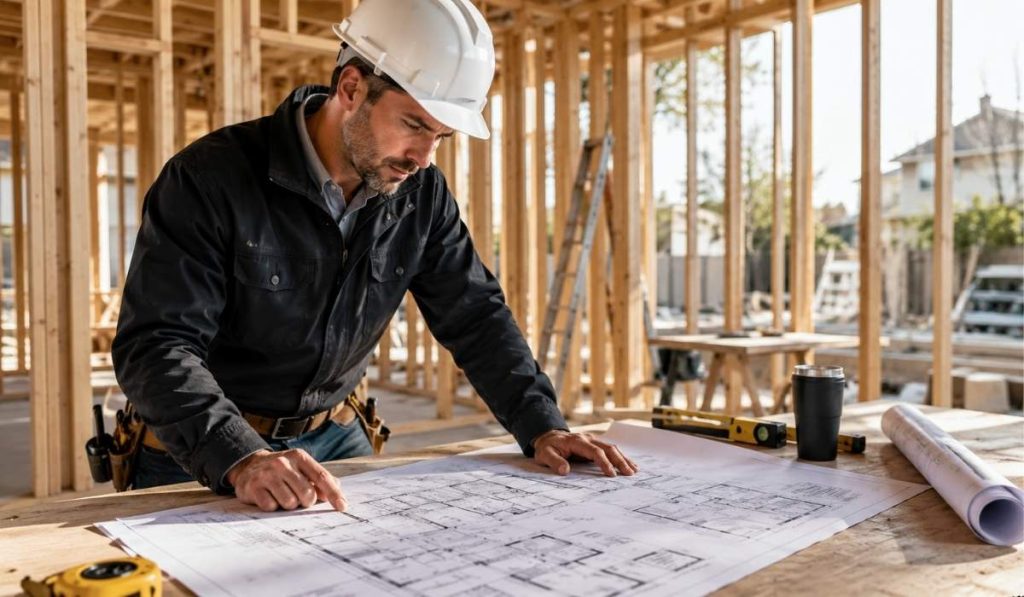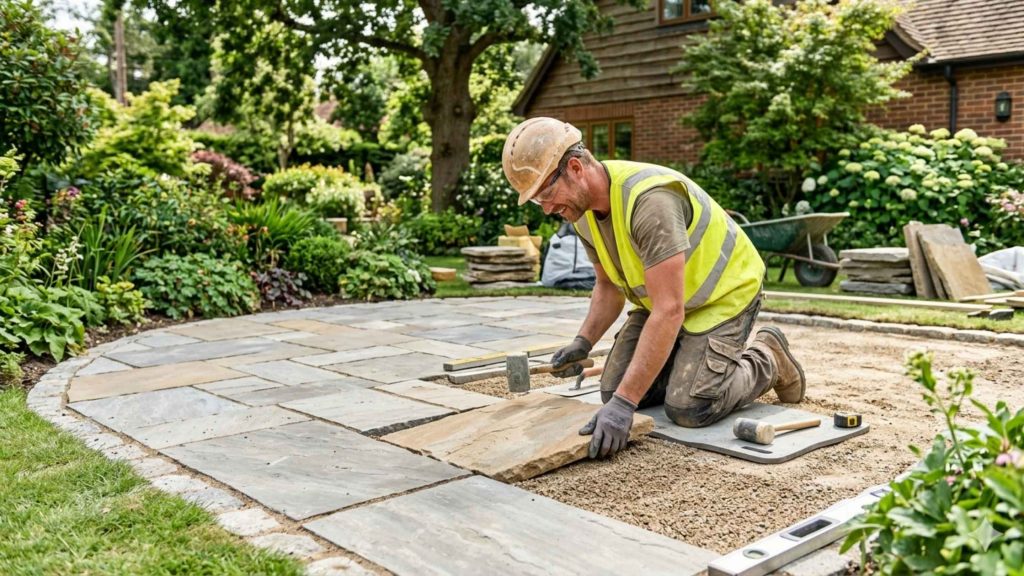
If you want to build a real career in construction, learning how to get general contractor license is one of the most important steps you can take. A license allows you to work legally, take on bigger projects, and earn more money over time.
We know the process can feel confusing at first. Different states have different rules, and there are many steps involved. But don’t worry we’re going to break everything down in simple, easy English so you can understand exactly what to do.
If you’re still new to this career path, we also recommend reading our guide on How to Become a General Contractor (Step-by-Step Guide). It explains the full journey from beginner to professional.
What Is a General Contractor License?
A general contractor license is official approval from your state or city. It shows that you have the skills, knowledge, and experience to manage construction projects.
With this license, you can legally hire workers, manage job sites, and work on residential or commercial buildings. Without it, your work options will be limited, and you may face legal problems.
Why Do You Need a Contractor License?
Getting licensed is not just about following rules. It also helps you grow your career.
First, it builds trust. Clients feel more comfortable hiring someone who is licensed. Second, it allows you to work on larger and more profitable projects. Third, it protects you legally if something goes wrong.
In simple terms, a license helps you work smarter, safer, and more professionally.
Step 1: Meet Basic Requirements
Before you apply, you need to meet a few basic conditions. Most states require you to be at least 18 years old. You should also have a high school diploma or GED.
Some states may ask for proof that you are legally allowed to work in the U.S. These are simple requirements, but they are important.
Step 2: Gain Construction Experience
Experience is one of the most important parts of learning how to get general contractor license.
Most states require at least 2 to 5 years of experience in construction. This means working on real job sites and learning how projects are completed.
You can start as a laborer, helper, or apprentice. Over time, you will learn how to read plans, use tools, manage tasks, and solve problems.
This step builds your confidence and prepares you for bigger responsibilities.
Step 3: Decide What Type of License You Need
Not all contractor licenses are the same. The type of license you need depends on the kind of work you want to do.
For example, some licenses are for residential work, while others are for commercial projects. Some are general licenses, and some are for specific trades.
Choosing the right license early will save you time and effort later.
Step 4: Study for the Contractor Exam
Most states require you to pass an exam. This test checks if you understand construction rules and safety practices.
You will usually study topics like:
- Building codes and laws
- Safety regulations
- Project management basics
- Business practices
Take your time to prepare. Many people use study guides or online courses to pass on the first try.
Step 5: Pass the Licensing Exam
Once you feel ready, you can take the exam. The test may be written, computer-based, or both.
Passing the exam proves that you understand how to manage construction projects safely and legally.
If you don’t pass the first time, don’t worry. You can usually retake the test after some time.
Step 6: Submit Your Application
After passing the exam, you will need to apply for your license.
This usually includes submitting:
- Proof of your experience
- Exam results
- Identification documents
Some states may also ask for a background check. Make sure all your documents are correct to avoid delays.
Step 7: Get Insurance and Bonding
Insurance is an important part of becoming a licensed contractor.
You may need:
- General liability insurance
- Workers’ compensation insurance
- A surety bond
This protects you, your workers, and your clients. It also shows that you are a serious professional.
Step 8: Register Your Business
Once you have your license, the next step is setting up your business.
You will need to choose a business structure, register your name, and handle tax requirements. This makes your business official and helps you work legally.
Having a proper business setup also makes you look more professional to clients.
Licensing Requirements by State (Simple Overview)
Each state has its own rules, but the process is similar across the U.S.
| State | Experience Needed | Exam Required | Notes |
| New York | Varies | Sometimes | Often handled locally |
| California | 4 years | Yes | Strict licensing system |
| Texas | Varies | No (some cases) | Depends on project type |
| Florida | 4 years | Yes | State-level license |
Always check your state’s official website for exact details.
How Long Does It Take?
Getting a general contractor license takes time. Most people spend several years gaining experience before applying.
After that, the application and exam process can take a few weeks to a few months.
Overall, the full journey can take 3 to 5 years, depending on your starting point.
How Much Does It Cost?
The cost of getting licensed depends on your state. You may need to pay for application fees, exam fees, and insurance.
In most cases, the total cost ranges from $300 to $1,000 or more.
It may feel like a big investment, but it pays off in the long run.
Common Mistakes to Avoid
Many people make simple mistakes during the process.
One common mistake is not checking state requirements properly. Another is not preparing enough for the exam. Some people also delay getting insurance, which slows down approval.
If you stay organized and follow each step carefully, you can avoid these problems.
Expert Tips to Get Licensed Faster
If you want to move faster, focus on gaining steady experience and learning from skilled professionals.
You should also keep your documents ready and study consistently for your exam. Staying organized will save you time and stress.
Remember, consistency is more important than speed.
FAQs
Do all states require a contractor license?
No, but most states require a license for major construction work.
Can I work without a license?
In many cases, it is illegal and can lead to fines or penalties.
How hard is the contractor exam?
It depends on your preparation, but with proper study, most people pass.
Can I use my license in another state?
Some states allow this, but rules vary, so you must check first.
Final Thoughts
Now you clearly understand how to get general contractor license in the United States. The process may take time, but each step brings you closer to a successful and stable career.
If you stay focused, gain the right experience, and follow the process carefully, you can achieve your goal and build a strong future in construction.
Need Help with Your Next Project? Call Royal Empire Builder Today!
Fast responses. Expert advice. Trusted service across NYC and beyond.