A roof edge can look simple from the street, but the uppermost line of a building often does more work than people think. One of the clearest examples is this roof-edge wall. This feature appears on many commercial buildings, apartment blocks, mixed-use properties, and some modern homes. It can improve appearance, support safety, hide rooftop equipment, and help shape the way the roof and exterior walls meet.
Many property owners first notice this feature when they see a low section of wall rising above the edge of the roof. That is when they start asking what is a parapet and why it is there. Others search for a parapet wall definition because they are dealing with leaks, masonry cracks, or restoration work. Whatever brings someone to the topic, the answer matters because this part of the building can either perform well for years or turn into a major source of damage if it is neglected.
In simple terms, this feature is the extension of an exterior wall above the roofline. That sounds easy enough, but the purpose behind it is broader than most people expect. It can act as a visual screen, a perimeter barrier, and an important part of the roof-edge assembly. In older masonry buildings, it often adds architectural character. In newer buildings, it is frequently used to create a clean, finished look while hiding equipment and mechanical clutter.
This guide explains what is a parapet wall, why it matters, the main types used in construction, the materials commonly chosen, the benefits it offers, the problems it can develop, and the smartest ways to maintain it over time.
What Is a Parapet Wall?
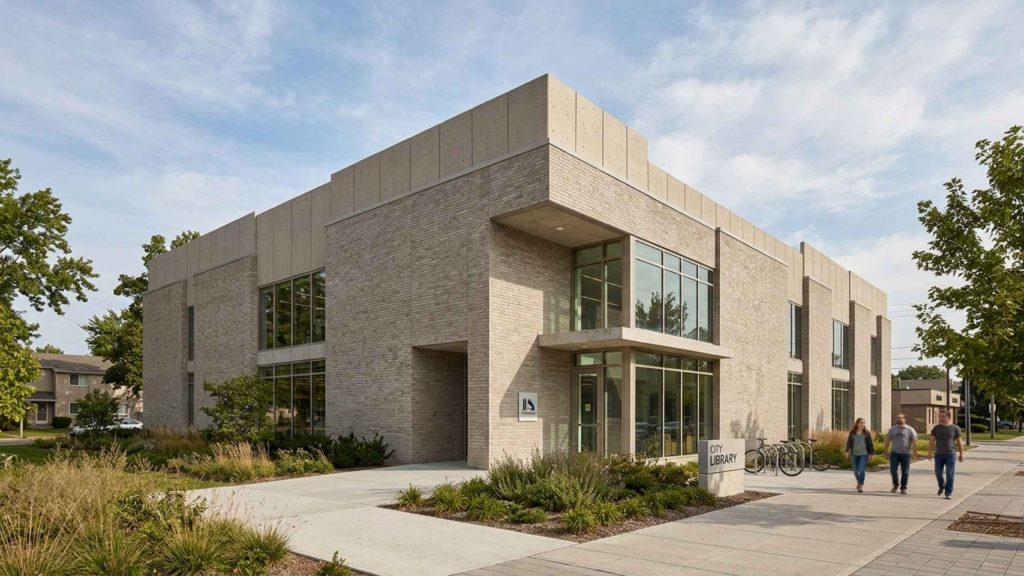
The simplest answer to what is a parapet wall is that it is the part of the exterior wall that continues above the roof edge. Instead of ending flush with the roof surface, the wall rises higher and creates a raised boundary around the perimeter. That is the basic parapet wall definition used in building construction.
This roof-edge element can be plain, decorative, tall, short, masonry-based, concrete-based, or part of a more modern envelope system. The design changes from one structure to another, but the basic role stays similar. It shapes the roofline, protects vulnerable edge conditions, and gives the building a more deliberate appearance.
When people ask what is a parapet, they are usually expecting a technical answer, but the concept is easy to understand. It is an upward extension at the edge of the roof. The reason this matters is that the roof perimeter is one of the harshest areas of a building. Water, wind, temperature changes, and movement all hit that zone hard. Because of that, a parapet wall must be built with proper flashing, coping, and drainage details if it is going to last.
Why Buildings Use This Roof-Edge Feature
There are several reasons builders and designers use this kind of roof-edge construction. One of the biggest is appearance. A roof parapet can hide HVAC units, vents, ducts, and other rooftop components that would otherwise be visible from the street. That gives the building a cleaner silhouette and a more finished profile.
Another reason is edge safety. On many buildings, this raised wall helps define the perimeter and creates a physical barrier at the roof edge. It does not remove every risk, but it adds a layer of protection and makes the edge less exposed.
A parapet wall can also support architectural balance. Flat-roofed buildings sometimes look abrupt if the roofline simply ends. This feature gives the structure a stronger top line and can make the façade feel more complete. In some building types, it may also play a role in fire separation and wind control, depending on local design requirements.
From a performance standpoint, the parapet roof area is important because it is where multiple systems meet. Roofing membrane, flashing, coping, insulation, and wall materials all connect there. If that connection is weak, damage often begins at the perimeter and then spreads downward into the building.
Main Types of Parapet Walls
Not all parapet walls look the same. The differences usually come from architecture, structural design, and the age of the property.
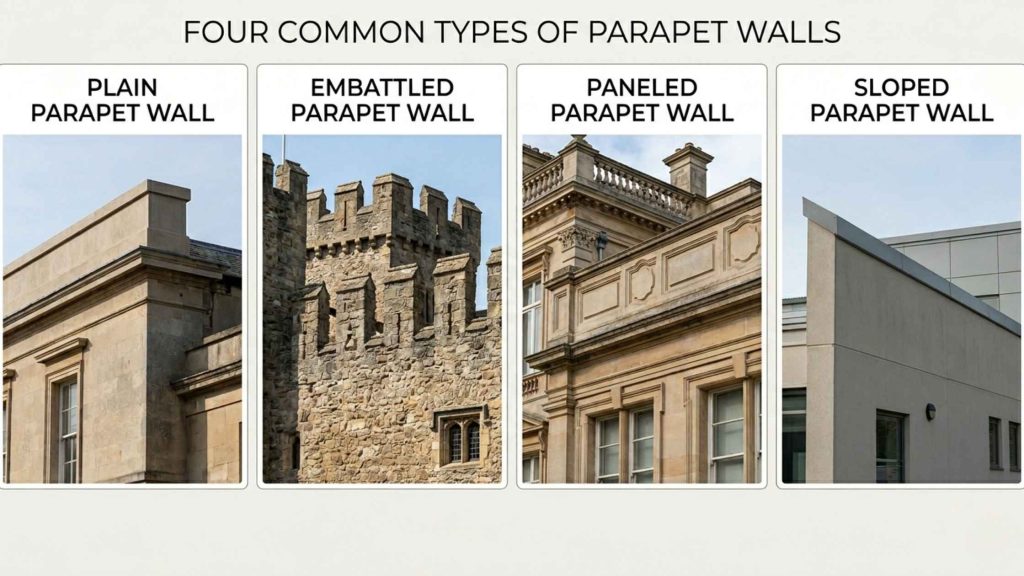
Plain Type
This is the simplest version. It rises above the roofline with little or no decoration. It is common on commercial buildings and residential properties because it is straightforward, practical, and easy to integrate into a modern façade.
Embattled Type
This type includes alternating high and low sections, giving it a fortress-like appearance. It is more decorative and is often associated with older architecture or buildings trying to create a historic look.
Paneled Type
A paneled parapet includes recessed or projected sections that add visual detail. It can make the building more attractive, but it also requires careful workmanship because decorative sections can trap water if the detailing is poor.
Sloped Type
This version follows an angled upper line rather than a perfectly horizontal one. It can soften the appearance of the roofline and blend better with some building styles.
| Type | Main feature | Common use |
|---|---|---|
| Plain | Simple extension above roof edge | Homes and commercial properties |
| Embattled | Alternating raised and lowered sections | Historic or decorative work |
| Paneled | Recessed or projected design | Architectural styling |
| Sloped | Angled top line | Modern and custom projects |
Materials Commonly Used
Brick is one of the most common materials used for this kind of wall, especially in masonry buildings. It provides strength, visual continuity, and a traditional appearance that works well with many façades. Concrete is also widely used, especially in larger structures where durability and structural performance matter. Stone may appear in older or high-end projects, while metal systems sometimes fit better in contemporary construction.
Material alone does not guarantee long-term success. The top of the wall must be protected with proper coping stones, precast caps, or metal covers. Sealant joints and flashing details matter just as much as the visible surface. A roof parapet wall with poor coping can start failing from the top even if the main wall below still looks solid.
This is why experienced contractors pay close attention to edges, joints, and transitions. If water gets into the upper section, freeze-thaw cycles, rusting metal, and long-term saturation can do serious damage.
Benefits of a Parapet Wall
This roof-edge wall offers several practical benefits. First, it improves the visual finish of the building by creating a more defined roofline. Second, it helps hide rooftop equipment and service lines. Third, it can support safer maintenance conditions by making the roof perimeter feel more controlled. Fourth, it may improve privacy on terraces or accessible rooftop areas.
There is also a durability argument. When designed well, this feature can help organize roof-edge detailing in a way that protects vulnerable transitions. That does not mean every installation performs perfectly, but a properly built version gives the designer a clear way to handle the meeting point between wall and roof.
For owners, that means the value is not just cosmetic. This feature can improve how the building looks, how the roof edge performs, and how mechanical clutter is managed from a visual standpoint.
Common Problems Owners Should Watch For
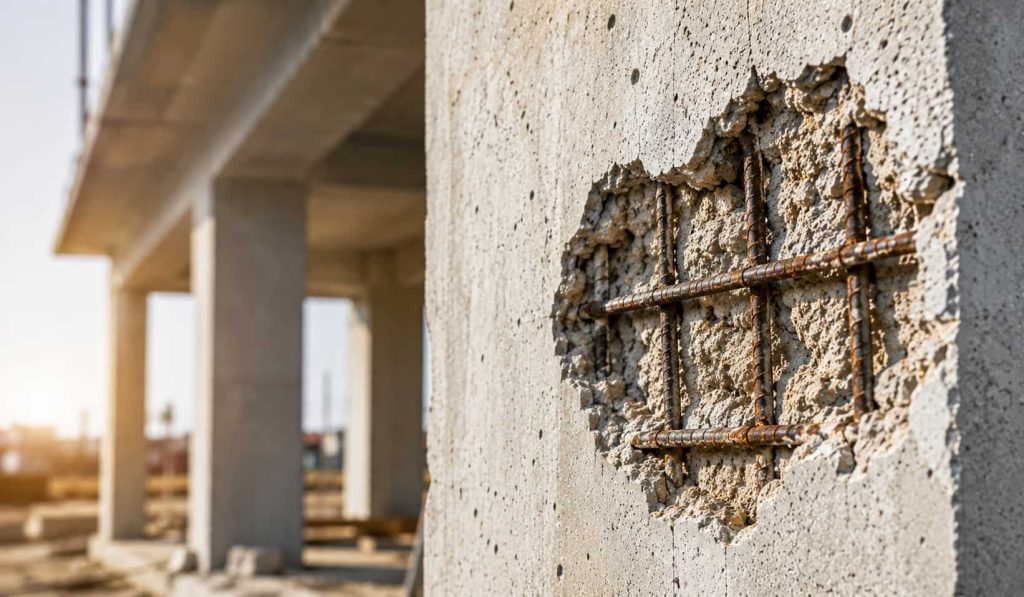
The same exposure that makes the roof edge so important also makes it vulnerable. Water intrusion is one of the most common problems. Rain can enter through open joints, cracked mortar, failed flashing, or damaged coping. Once moisture gets in, it rarely stays isolated.
Cracking is another issue. Thermal movement, settlement, and repeated weather exposure can open joints and weaken the structure over time. In older masonry properties, parapet walls may start leaning, bulging, or shedding material if the damage is ignored too long.
A parapet wall can also become the source of interior leaks. Owners often blame the roof membrane first, but the real issue is sometimes at the wall transition. When flashing fails where the roof meets the wall, water can move into the building envelope and show up inside far from the original entry point.
Visible warning signs include rust stains, loose coping stones, open mortar joints, peeling paint, damp interior ceilings near the perimeter, and sections that look displaced or unstable.
How to Maintain This Part of the Building
Regular inspection matters. Building owners should check the upper wall area for open joints, shifting caps, cracked coping, missing sealant, and signs of water entry. Small defects are much easier to fix than long-term deterioration hidden inside the assembly.
Maintenance may include repointing mortar, replacing damaged flashing, resealing joints, resetting coping stones, or rebuilding unstable portions. When this wall has serious structural movement, cosmetic patching is usually worthless. Surface repair may hide the problem for a short time, but it will not solve the underlying failure.
The smarter approach is early action. Catch the issue when the signs are small and the repair is manageable. Wait too long, and the damage can spread into the roof edge, the façade, and even the interior.
Parapet Wall vs. Standard Exterior Wall
This feature is different from a standard exterior wall because it extends above the roofline and takes direct exposure from the top and sides. A regular wall encloses the building and transfers loads, but this upper section also has to deal with harsh edge conditions where water, wind, flashing, and roof materials all meet.
That difference is why the detailing has to be stronger here. If someone wants a practical parapet wall definition, this contrast should be part of it. It is not just another section of façade. It is a more exposed extension that demands better protection and more careful construction.
FAQs About Parapet Walls
What is a parapet in simple words?
If someone asks what is a parapet, the simplest answer is that it is a raised extension of the wall above the roof edge.
What is the purpose of a parapet wall?
The purpose of a parapet wall is to create a defined roof edge, improve appearance, help conceal rooftop equipment, and support safer perimeter conditions.
Is a roof parapet part of the roof?
A roof parapet is connected to the roof edge, but it is technically an extension of the wall system rather than the main roof surface.
What causes damage in parapet walls?
Common causes include water intrusion, failed flashing, cracked mortar, poor coping details, long-term weather exposure, and movement within the structure.
Why do older buildings have them so often?
Many older masonry buildings use parapet walls for both architectural style and functional edge design, especially on flat-roofed urban structures.
Final Thoughts
This roof-edge wall may look simple, but it carries real weight in both design and performance. It shapes the roofline, helps screen rooftop clutter, supports edge safety, and affects how the building handles water and weather at one of its most vulnerable points.
If you understand what is a parapet, the value of this feature becomes obvious. It is not just decoration. It is part of the building envelope, and it needs to be treated that way. When a parapet wall is designed carefully and maintained properly, it adds long-term value. When it is ignored, it can become one of the first places where serious building problems begin.
Need Help with Your Next Project? Call Royal Empire Builder Today!
Fast responses. Expert advice. Trusted service across NYC and beyond.