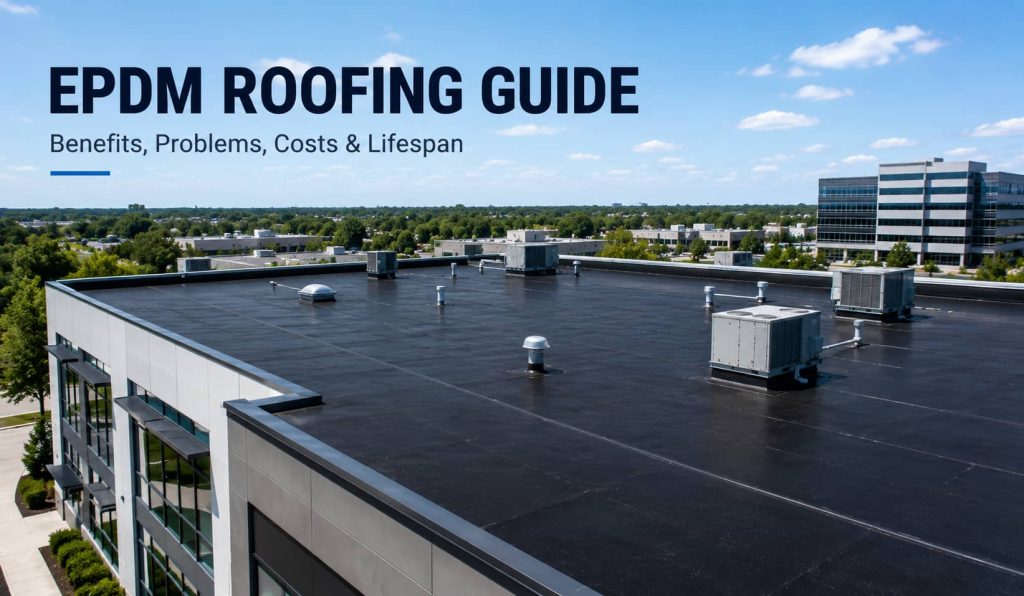
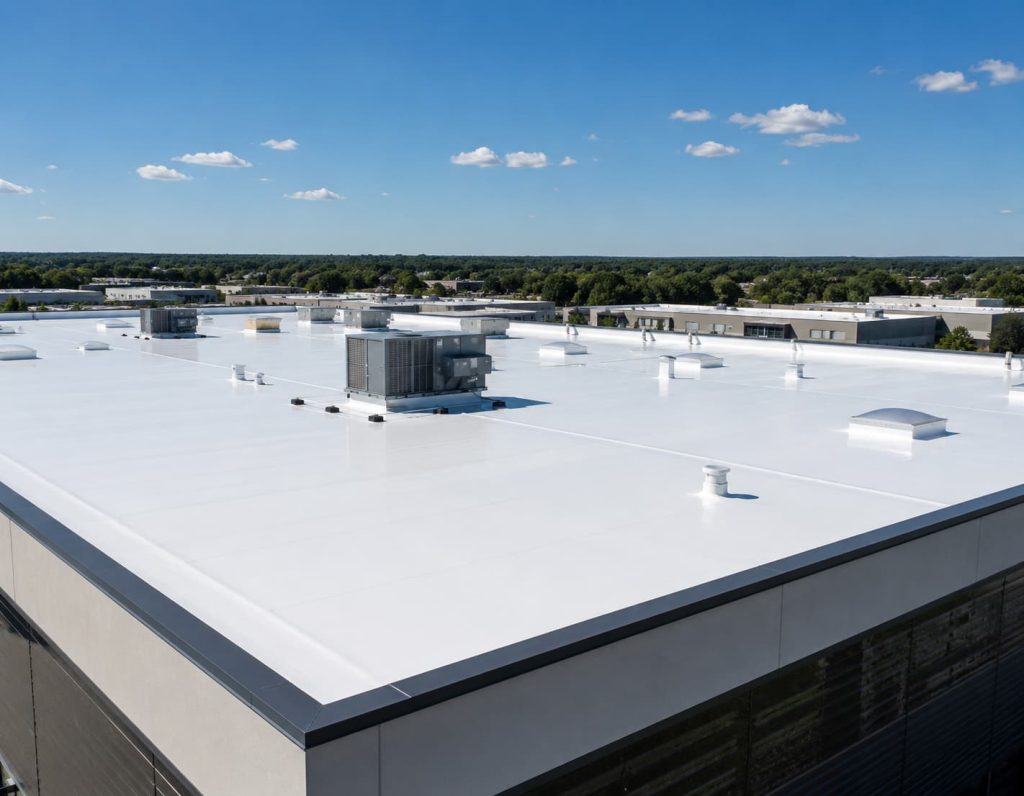
TPO Roofing is a popular roofing system used on flat and low-slope buildings. TPO stands for Thermoplastic Polyolefin. It is a single-ply membrane designed to provide strong protection against weather and daily wear.
Many property owners choose this roofing solution because it offers durability, energy efficiency, and affordability. It is commonly installed on commercial, industrial, and institutional buildings.
The membrane is usually white, gray, or tan. Its reflective surface helps reduce heat absorption and improves energy performance.
Choosing the Right TPO Thickness (Mil Size)
TPO is available in different thicknesses, in “mils” (thousandths of an inch). With New York City properties facing dramatic temperature changes from bone-chilling, snow-covered winters to sweltering, high-UV summer heat waves, choosing the right thickness is an important financial consideration for any metro-area property manager.
- 45 Mil: The most affordable and thinnest option. It is not ideal for commercial use in New York City due to harsh freeze-thaw cycles, puncture risks, and exposure to extreme urban weather conditions like wind and nesting birds.
- 60 Mil: The industry standard for commercial buildings in the NYC metro area. It offers a strong balance of durability and cost, with reliable wind-uplift resistance against coastal winds from the Hudson and East Rivers.
- 80 Mil: A heavy-duty, premium option designed for maximum protection. Best suited for high-traffic commercial roofs in NYC, especially buildings with HVAC units or frequent maintenance access such as retail centers, schools, and high-rise office buildings.
Why Building Owners Choose TPO Roofing
Property owners want a roof that performs well without creating high maintenance costs. This roofing system is known for its ability to resist UV rays, heat, dirt, and moisture. It also performs well against punctures and minor impacts. Another reason for its popularity is its energy-saving benefits. The reflective membrane helps keep rooftop temperatures lower during hot weather.Because it combines performance and value, many businesses consider it one of the best flat roofing options available today.
Main Benefits of TPO Roofing
Energy Efficiency
One of the biggest advantages of TPO Roofing is its reflective surface. The membrane reflects sunlight instead of absorbing it. This can help reduce indoor cooling demands during summer months.
Lower energy use often means lower utility bills. Many commercial property owners choose this system specifically for its energy-saving benefits.
Strong Durability
A quality roofing system should withstand different weather conditions. TPO membranes are designed to resist heat, UV exposure, and environmental stress. They also offer good resistance against tears and punctures. With proper care, the roof can continue performing effectively for many years.
Cost-Effective Roofing Option
Many building owners prefer TPO Roofing because it provides excellent value. The material is affordable, and installation is generally quicker than some traditional roofing systems. Faster installation can reduce labor expenses. The long-term energy savings also add to its overall value.
Environmentally Friendly
This roofing material supports sustainable building practices. Its reflective properties help reduce heat buildup around buildings. This may contribute to lower energy consumption and improved environmental performance.
Interactive NYC TPO Cost & Lifespan Estimator
In the NYC market, commercial TPO roofing installation typically averages between $7.00 and $14.00 per square foot for major replacements, depending heavily on structural access, the number of existing roof layers to tear off, and required rigid insulation thickness to meet modern NYC Energy Conservation Codes.
| Membrane Thickness | Roof Area Size (Sq. Ft.) | Estimated NYC Installed Cost | Expected Lifetime |
| 45 Mil (Economy) | 1,500 sq ft 5,000 sq ft 10,000 sq ft | $11,250 – $15,000 $37,500 – $50,000 $75,000 – $100,000 | 12 – 15 Years (Prone to faster urban weather wear) |
| 60 Mil (NYC Standard) | 1,500 sq ft 5,000 sq ft 10,000 sq ft | $14,250 – $19,500 $47,500 – $65,000 $95,000 – $130,000 | 20 – 22 Years (Best balance of cost and local durability) |
| 80 Mil (Premium) | 1,500 sq ft 5,000 sq ft 10,000 sq ft | $18,000 – $24,000 $60,000 – $80,000 $120,000 – $160,000 | 25 – 30 Years (Maximum resistance for high-traffic roofs) |
Understanding TPO Roofing Installation
Proper TPO roofing installation is essential for long-term performance. A well-installed membrane creates a strong waterproof barrier that protects the building from leaks and weather damage.
Roof Evaluation
Every project begins with a complete roof inspection. Contractors examine the existing roof structure and identify any damage that must be repaired before installation starts.
Surface Preparation
The roof deck must be clean, dry, and smooth. Damaged materials are repaired or replaced to create a solid foundation for the new membrane.
Insulation Installation
Roof insulation is installed before the membrane is applied. This improves energy efficiency and provides additional support for the roofing system.
Membrane Placement
The membrane is rolled across the roof surface. Depending on project requirements, contractors may mechanically fasten, fully adhere, or weld the membrane into place.
- Fully Adhered Systems: The membrane is directly bonded to the insulation using special adhesives. This provides a smooth finish and offers the best resistance against strong winds.
- Mechanically Attached Systems: The membrane is secured to the roof deck with heavy-duty plates and screws. It is one of the fastest and most cost-effective installation methods.
- Ballasted Systems: The membrane is laid loosely over the roof and held down with heavy gravel or concrete pavers. This method is less common today but still used in large industrial buildings.
Heat-Welded Seams
One of the most important parts of TPO roofing installation is seam welding.The seams are joined using hot-air welding equipment. This creates strong, watertight connections that help prevent leaks.
Final Quality Check
After installation is complete, the contractor performs a final inspection. This ensures the membrane, seams, flashing, and roof details meet quality standards.
Commercial TPO Roofing Applications
Commercial TPO roofing is widely used across many industries. Its durability and energy efficiency make it a practical choice for large buildings.
Office Buildings
Office properties often require reliable roofing systems that can reduce operating costs. Commercial TPO roofing helps improve energy performance while providing dependable protection.
Warehouses
Warehouses usually have large flat roofs that need durable materials. The membrane’s strength and low maintenance requirements make it a popular option for warehouse facilities.
Retail Centers
Retail buildings benefit from a roofing system that can handle constant exposure to sunlight and changing weather conditions. This roofing solution helps protect the property while supporting energy savings.
Manufacturing Facilities
Manufacturing plants often require durable roofing systems for large roof areas. The flexibility and weather resistance of TPO make it suitable for these demanding environments.
Schools and Healthcare Facilities
Educational and healthcare buildings frequently use commercial TPO roofing because of its long lifespan and energy-efficient performance.
TPO Roof Repair and Maintenance
Even strong roofing systems need regular maintenance. Routine inspections help identify minor problems before they become major expenses.
Common Causes of Roof Damage
Several issues can lead to the need for TPO roof repair. These include severe storms, heavy foot traffic, falling debris, aging materials, and poor installation practices. Addressing these problems early can help prevent larger repairs.
Signs Your Roof Needs Attention
Property owners should watch for warning signs such as:
- Water leaks inside the building
- Ponding water on the roof
- Damaged seams
- Punctures or tears
- Loose flashing
- Higher energy bills
If these problems appear, it is important to schedule an inspection quickly.
Regular Maintenance Matters
Maintenance plays a major role in extending roof life.
Simple maintenance tasks include:
- Removing debris
- Cleaning drains
- Inspecting seams
- Checking flashing
- Repairing minor damage promptly
These steps can help reduce the likelihood of costly repairs.
How Long Does TPO Roofing Last?
The lifespan of TPO Roofing depends on installation quality, maintenance, and environmental conditions. A professionally installed roof can often last between 20 and 30 years. Regular inspections and timely repairs help maximize its service life. Building owners who invest in routine maintenance often see better long-term performance.
Choosing a TPO Roofing Contractor
Hiring the right TPO roofing contractor is essential for project success. The quality of installation directly affects roof performance and longevity.
Choose Experience
Look for contractors with proven experience working with single-ply roofing systems. Experienced professionals understand proper installation methods and industry standards.
Verify Credentials
Always choose licensed and insured roofing professionals. This helps protect both the property owner and the contractor during the project.
Read Customer Reviews
Reviews and testimonials provide useful information about a company’s reputation. Positive feedback often reflects quality workmanship and dependable service.
Ask About Warranties
A reliable TPO roofing contractor should offer warranty options for materials and workmanship. Warranties provide added protection for your investment.
Request Detailed Estimates
Before starting any project, ask for a detailed written proposal. The estimate should clearly explain materials, labor, project scope, and timelines.
TPO Roofing Compared to Other Roofing Systems
Property owners often compare different roofing materials before making a decision.
TPO vs EPDM
EPDM is known for flexibility and durability. TPO offers similar durability while providing better heat reflectivity and energy efficiency.
TPO vs PVC
PVC roofing performs well in environments exposed to chemicals and grease. TPO is often a more affordable option while still delivering strong weather protection.
TPO vs Built-Up Roofing
Built-up roofing systems use multiple layers of materials. TPO membranes are lighter and generally easier to install, making them a popular modern solution.
| Roofing Material | Reflectivity (Energy Savings) | Puncture Resistance | Chemical/Grease Resistance | Relative Cost |
| TPO | Excellent (High) | Good | Moderate | Budget-Friendly |
| PVC | Excellent (High) | High | Excellent (High) | Premium Cost |
| EPDM (Rubber) | Low (Absorbs Heat) | Excellent (High) | Low | Budget-Friendly |
Conclusion
TPO Roofing continues to be one of the most trusted roofing solutions for flat and low-slope buildings. It offers durability, energy efficiency, weather resistance, and long-term value. Whether you need a new roof, professional TPO roofing installation, routine maintenance, or TPO roof repair, choosing experienced professionals is important.
A reliable TPO roofing contractor can help ensure proper installation and long-lasting performance. With regular maintenance and quality workmanship, this roofing system can protect your property for decades while helping reduce energy and operating costs.
Need Help with Your Next Project? Call Royal Empire Builder Today!
Fast responses. Expert advice. Trusted service across NYC and beyond.