If your basement floods every time it rains, you’re not alone. Basements across NYC — from row houses in Brooklyn to attached homes in Queens — deal with water problems because of heavy rain, poor drainage, foundation cracks, groundwater, and sewer backups. The good news is that most basement flooding has a clear cause, and once you find it, you can fix it for good.
This guide covers the most common causes of basement water damage in NYC homes, what to do if water is already coming in, and how to fix the problem for good.
What Causes Basement Flooding?
Heavy Rain and Poor Drainage
NYC gets sudden, heavy downpours. If the ground around your home doesn’t slope away from the foundation, rainwater flows right back toward your basement walls instead of away from them.
Clogged or Damaged Gutters
When gutters are clogged with leaves and debris, rainwater spills over the sides and pools right next to your foundation. Over time, that water works its way through small cracks.
Foundation Cracks
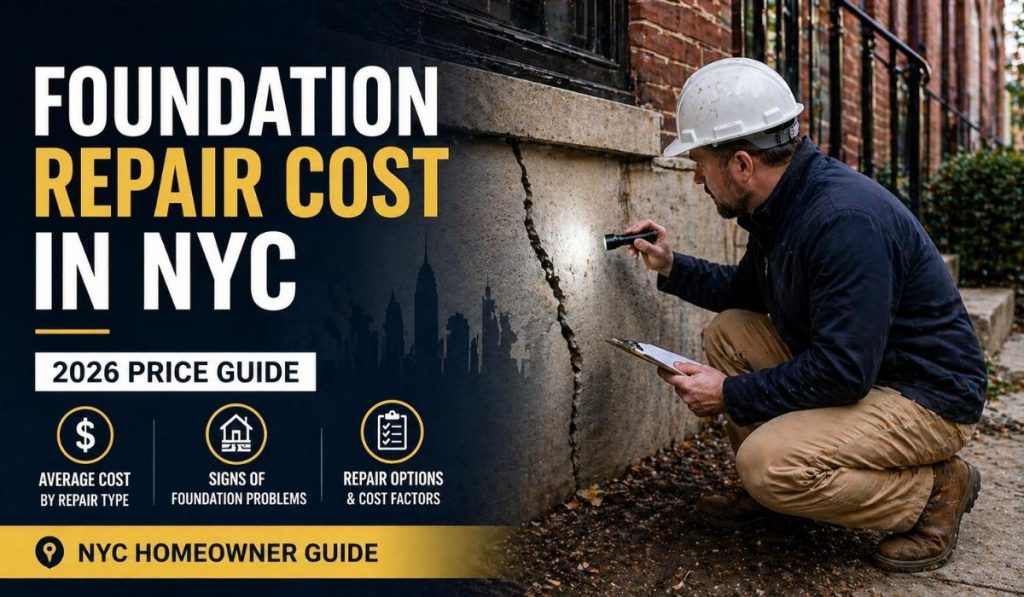
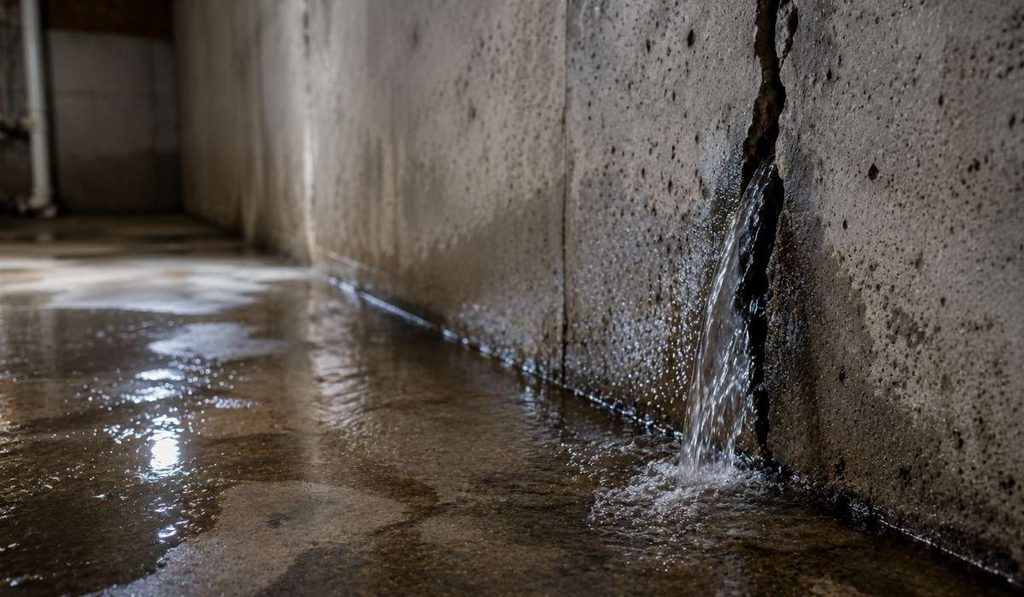
Older NYC homes often have small cracks in the foundation walls or floor. Water finds these cracks and seeps through, especially during heavy storms or when the water table rises.
Sump Pump Failure
Many basements rely on a sump pump to remove groundwater before it becomes a problem. If the pump fails, loses power, or wasn’t sized right for your home, water backs up fast.
Sewer Backup
NYC’s older sewer systems can back up during major storms, pushing water back into basement drains.
High Water Table
Some NYC neighborhoods sit on soil that holds a lot of groundwater close to the surface. This puts constant pressure on basement walls and floors, even without rain.
Basement Window Wells
Window wells that aren’t sealed or drained properly let rainwater collect and leak straight through the window frame into the basement.
Cracks Around Pipe Entry Points
Wherever a pipe enters the foundation, there’s a small gap. If it wasn’t sealed correctly, that gap becomes an easy path for water during storms.
What to Do When Your Basement Starts Flooding
If water is already coming in, act fast and stay safe:
- Turn off electricity to the basement if water is near outlets, cords, or electrical equipment.
- Don’t enter deep standing water — it can hide electrical hazards or debris.
- Move valuables away from the affected area if it’s safe to do so.
- Stop the water source if it’s coming from a plumbing leak you can shut off.
- Call a professional for drainage, cleanup, or a waterproofing assessment once the immediate danger has passed.
How to Prevent Basement Flooding
- Clean your gutters and downspouts regularly, and make sure downspouts direct water at least 6 feet away from your foundation.
- Grade the soil around your home so it slopes away from the foundation instead of toward it.
- Seal foundation cracks as soon as you notice them, before they widen.
- Install or upgrade a sump pump, and add a battery backup so it still works during a power outage.
- Add a French drain around the foundation to redirect groundwater away from your home.
- Waterproof your basement walls with an interior or exterior sealant system built for your soil type.
- Seal basement window wells and make sure they have proper drainage underneath.
- Have your sewer line inspected if backups happen during heavy storms.
Basement Flooding Repair Solutions
Interior Waterproofing
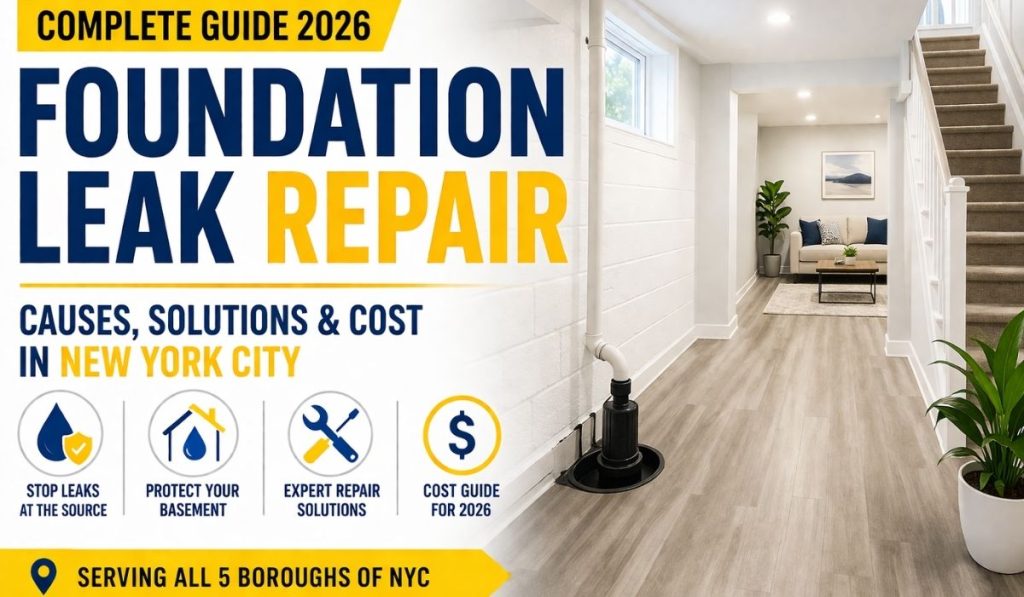
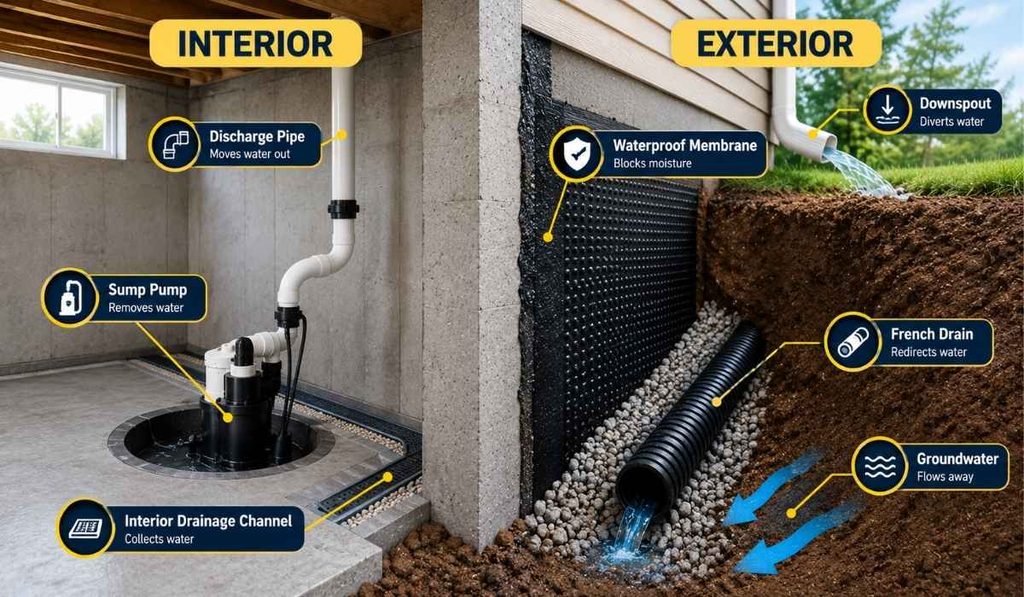
This includes sealing cracks, installing an interior drainage system along the base of the walls, and connecting it to a sump pump. It’s a good option when the water source is groundwater pressure. Basement waterproofing services can help address recurring water issues and protect the space long-term.
Exterior Waterproofing
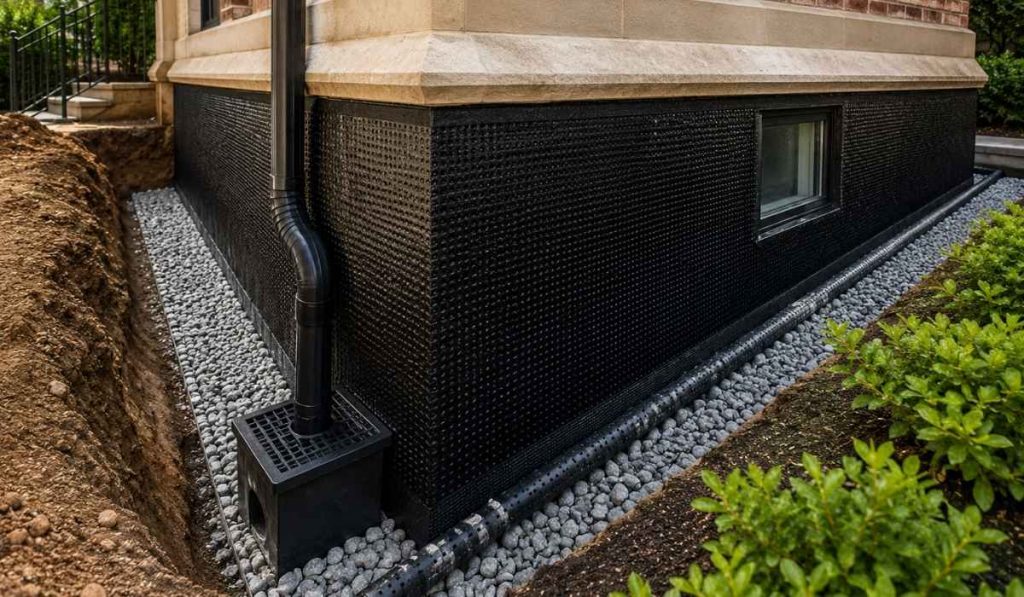
This involves excavating around the foundation, applying a waterproof membrane, and installing exterior drainage. It’s more involved but solves the problem at the source, especially for older NYC foundations. In some cases, foundation waterproofing services may be needed to protect the structure from ongoing water intrusion.
Sump Pump Installation or Replacement
If your basement doesn’t have a sump pump, or the one you have is old and unreliable, Installing or replacing a properly sized sump pump can be one of the most effective ways to prevent repeat flooding when groundwater is the main issue.
Foundation Crack Repair
Cracks are sealed using epoxy or polyurethane injections, which bond with the concrete and stop water from getting through.
French Drain Installation
A French drain collects water before it reaches your foundation and channels it away safely.
Why NYC Homes Need a Local Approach
Basement flooding repair in NYC isn’t the same as in other parts of the country. Attached row houses in Brooklyn, older brownstones, and homes built close together on tight property lines all share walls, drainage, and soil conditions with their neighbors, because NYC homes are often built close together, drainage and water issues can be more complicated and may affect nearby structures or shared conditions. Add in older foundations, heavy summer storms, and hurricane-season rainfall, and it’s clear why a repair plan that works for a suburban home with a modern foundation may not hold up in a 100-year-old Brooklyn brownstone.
That’s why it helps to work with a contractor who knows NYC foundations and drainage systems specifically — not just general basement repair.
When to Call a Professional
If you’re dealing with recurring flooding, standing water, mold smell, or cracks that keep growing, professional basement flooding repair in NYC can help identify the source of the problem and prevent further water damage. A proper inspection can identify the exact cause and the right long-term fix, instead of a temporary patch that fails during the next storm.
Frequently Asked Questions
How Much Does Basement Flooding Repair Cost in NYC?
Cost depends on the cause and how much work is needed. A simple crack repair costs less than a full interior or exterior waterproofing system. A professional inspection will give you an accurate number for your home.
How Can I Stop My Basement From Flooding During Heavy Rain?
Start with the basics: clean gutters, downspouts pointed away from the foundation, and proper grading. If flooding continues after that, the issue is likely a foundation crack, sump pump problem, or high water table that needs a waterproofing system.
Is Basement Waterproofing Worth It for NYC Homes?
Yes. NYC’s older housing stock, drainage challenges, groundwater conditions, and heavy seasonal storms can make some basements more vulnerable to water damage. Waterproofing protects your foundation, prevents mold, and avoids costly repairs down the line.
How Long Does Basement Waterproofing Take?
Interior waterproofing is usually completed in one to a few days. Exterior waterproofing takes longer since it involves excavation, often a week or more depending on the size of the foundation.
Does Homeowners Insurance Cover Basement Flooding?
It depends on your policy and the cause. Sudden pipe bursts are often covered, while groundwater seepage and sewer backups usually require separate coverage. Check your policy or ask your provider directly.
Stop Basement Flooding Before It Gets Worse
Don’t wait for the next heavy rain to deal with a wet basement again. Royal Empire Builder NYC offers basement flooding repair and waterproofing services across all five boroughs, using solutions built for NYC’s older foundations and drainage challenges.
Contact Royal Empire Builder NYC today for a free inspection and estimate.
Need Help with Your Next Project? Call Royal Empire Builder Today!
Fast responses. Expert advice. Trusted service across NYC and beyond.