One of the most important parts of your home is your house roof. It protects your family, property and all house from rain, snow, wind, sun and elements. Most roofing issues don’t happen overnight. They develop slowly and have early warning signs before they become an expensive repair. Many homeowners ignore their roof until they see a leak.
Understanding how the roofing system works, what can hurt your roof and how to take care of it can save you from surprise repair costs and increase the life of your roof. Regardless of whether you own a newer home or an older property, knowing what to inspect and when to call in a professional roofing contractor can go a long way in protecting your investment.
This guide explains everything homeowners should know about a house roof, including its main components, common roofing materials, inspection tips, maintenance practices, and the most common problems that affect residential roofs.
What Is a House Roof?
A house roof is more than just the top covering of your home. It’s a complete system that protects your home from rain, snow, strong winds, harsh sunlight, and other weather conditions. It also helps keep your indoor space comfortable by reducing heat loss in winter and limiting heat buildup during summer.
Many homeowners only notice their roof when a leak or other visible problem appears. In reality, several components work together behind the scenes to keep your home safe and dry. From the roof deck and underlayment to the flashing and ventilation, each part plays an important role. If one component becomes damaged or wears out, it can affect the performance of the entire roofing system.
A properly installed and regularly maintained roof provides several important benefits:
- Protects your home from water damage and weather-related issues
- Improves energy efficiency throughout the year
- Helps prevent mold, moisture, and structural damage
- Extends the lifespan of your roofing system
- Increases your home’s value and curb appeal
When maintained regularly, many residential roofs can provide decades of reliable protection.
Main Parts of a House Roof
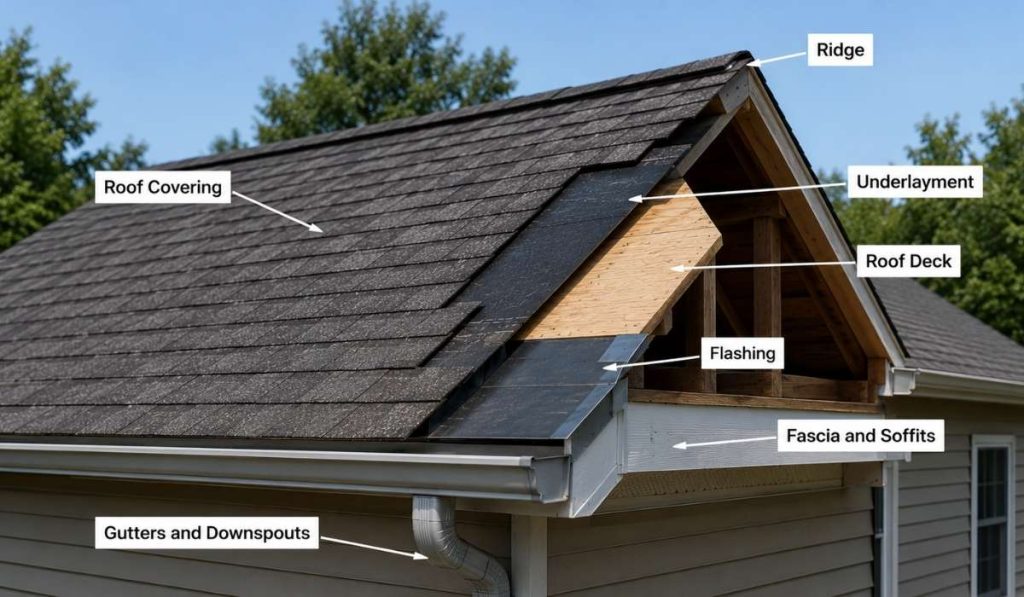
Knowing the main parts of your roof makes it easier to spot small issues before they turn into costly repairs. Every component has a specific job, and together they form a complete roofing system that protects your home from the elements.
Roof Covering
The roof covering is the outermost layer that shields your home from the elements. Depending on the type of home, this may include asphalt shingles, metal panels, clay tiles, slate, or wood shakes.
Its primary job is to prevent rain, snow, and UV rays from reaching the layers beneath.
Roof Deck
The roof deck forms the structural foundation of the roofing system. It is typically made from plywood or oriented strand board (OSB) and supports all roofing materials installed above it.
A damaged roof deck can weaken the entire house roof and may require immediate repair.
Underlayment
Installed between the roof deck and the roofing material, the underlayment acts as a secondary moisture barrier. If water gets past the shingles, the underlayment helps protect the roof deck from damage.
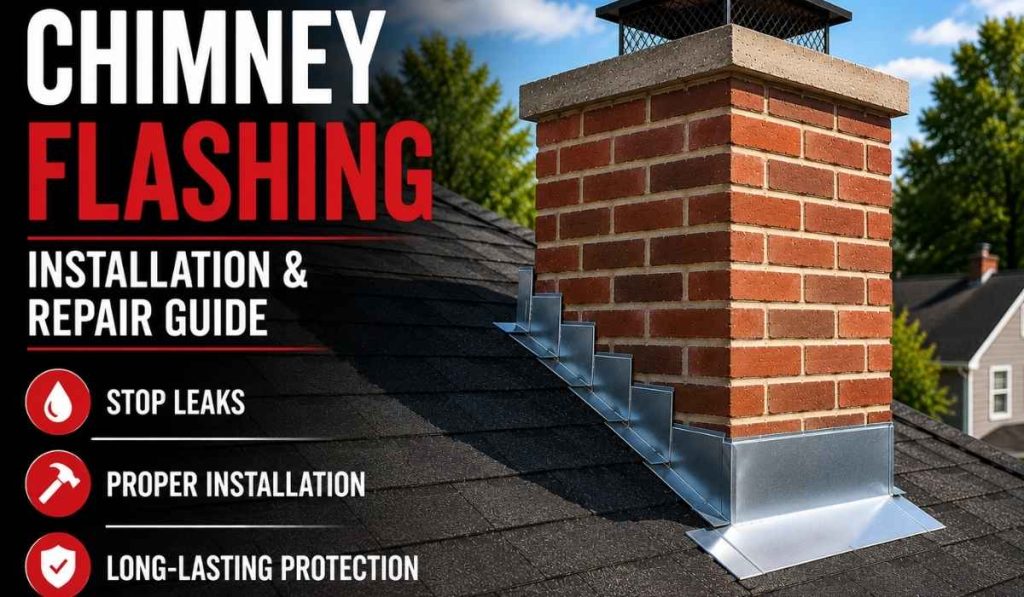
Flashing
Flashing consists of thin metal pieces installed around chimneys, skylights, vents, valleys, and other roof openings.
It directs water away from vulnerable areas and helps prevent leaks. Damaged flashing is one of the most common causes of residential roof leaks.
Ridge
The ridge is the highest point where two roof slopes meet. Ridge vents are often installed here to improve attic ventilation and reduce heat and moisture buildup.
Fascia and Soffits
The fascia is the board attached along the roof edge, while soffits cover the underside of the roof overhang.
Together they:
- Protect roof edges
- Support gutters
- Improve attic ventilation
- Prevent pest entry
Gutters and Downspouts
Although technically separate from the roof, gutters play a major role in protecting a house roof.
They collect rainwater and direct it safely away from the home’s foundation. Clogged or damaged gutters often lead to water backing up beneath roofing materials.
Common Roofing Materials Used on House Roofs
Choosing the right roofing material affects durability, maintenance, appearance, and long-term costs. Each option has advantages depending on your budget, climate, and home’s design.
| Roofing Material | Average Lifespan | Benefits |
|---|---|---|
| Asphalt Shingles | 20–30 years | Affordable, easy to repair |
| Metal Roofing | 40–70 years | Durable, energy efficient |
| Clay Tile | 50–100 years | Excellent longevity and weather resistance |
| Slate Roofing | 75–150+ years | Extremely durable and attractive |
| Wood Shakes | 20–40 years | Natural appearance and insulation |
In New York City, asphalt shingles remain one of the most popular choices because they provide reliable performance at a reasonable cost. Metal roofing has also become increasingly popular due to its durability and long lifespan.
Why Regular House Roof Inspections Matter
Many roofing problems begin as small issues that are difficult to notice from the ground. Regular inspections help identify these problems before they lead to costly structural damage.
A professional roof inspection can reveal issues such as:
- Loose or missing shingles
- Damaged flashing
- Small roof leaks
- Blocked roof drainage
- Worn roofing materials
- Ventilation problems
- Early signs of wood rot
Homeowners should also perform simple visual inspections throughout the year.
How to Inspect Your House Roof Safely
You don’t need to climb onto your roof to spot many common roofing problems. A careful inspection from the ground and inside your attic can reveal early warning signs.
Start With a Ground Inspection
Walk around your home and look for:
- Missing shingles
- Curled or cracked shingles
- Sagging roof sections
- Damaged flashing
- Debris collecting in valleys
- Loose gutters
Binoculars can help you inspect areas that are difficult to see clearly.
Check Inside the Attic
Your attic often reveals roofing issues before they become visible inside your living space.
Look for:
- Water stains
- Damp insulation
- Mold growth
- Daylight coming through the roof
- Wet wooden framing
- Condensation around vents
If you notice any of these problems, schedule a professional roof inspection as soon as possible.
Inspect After Severe Weather
Heavy rain, hail, snowstorms, or strong winds can damage a house roof even if it appears fine from the ground.
After severe weather, inspect for:
- Fallen branches
- Lifted shingles
- Metal flashing damage
- Loose gutters
- Debris buildup
Addressing storm damage early can prevent larger repairs later.
Common House Roof Problems Every Homeowner Should Know
Even a well-built house roof experiences wear over time. Recognizing common roofing problems early helps prevent expensive repairs and extends the life of your roof.
Roof Leaks
A roof leak is one of the most common roofing problems homeowners face.
Leaks often develop around:
- Chimneys
- Roof vents
- Skylights
- Roof valleys
- Damaged flashing
Early signs include ceiling stains, peeling paint, damp insulation, or musty odors inside the home.
Missing or Damaged Shingles
High winds, aging materials, and severe weather can loosen or damage shingles.
Common signs include:
- Cracked shingles
- Curling edges
- Missing shingles
- Granules collecting in gutters
Replacing damaged shingles promptly helps prevent water from reaching the roof deck.
Damaged Flashing
Flashing is designed to keep water away from roof joints and penetrations.
Over time it may:
- Rust
- Crack
- Separate from roofing materials
- Become loose after storms
Because flashing protects vulnerable areas, even minor damage can result in leaks.
Poor Roof Ventilation
Proper ventilation helps regulate attic temperature and moisture.
Poor ventilation can lead to:
- Higher energy bills
- Mold growth
- Ice dams during winter
- Premature shingle deterioration
- Shorter roof lifespan
Balanced intake and exhaust ventilation are essential for maintaining a healthy roofing system.
Clogged Gutters
Many homeowners overlook their gutters until problems develop.
When gutters become blocked with leaves and debris, water may overflow and back up beneath the roofing materials.
This can eventually cause:
- Roof leaks
- Rotting fascia boards
- Foundation issues
- Water damage around the roof edge
Cleaning gutters regularly is one of the simplest ways to protect your roof of your house.
House Roof Maintenance Checklist
Regular roof maintenance is one of the easiest ways to extend the lifespan of your roof and avoid unexpected repair costs.
Follow these maintenance practices throughout the year:
- Inspect your roof every spring and fall.
- Remove leaves and debris from gutters.
- Trim tree branches hanging over the roof.
- Replace damaged shingles promptly.
- Check flashing around chimneys, vents, and skylights.
- Look for signs of leaks inside the attic.
- Keep roof valleys free of debris.
- Ensure attic ventilation remains unobstructed.
- Schedule a professional roof inspection after major storms.
Many roofing issues can be prevented through simple maintenance performed consistently rather than waiting until visible damage appears.House Roof Repair vs. Roof Replacement
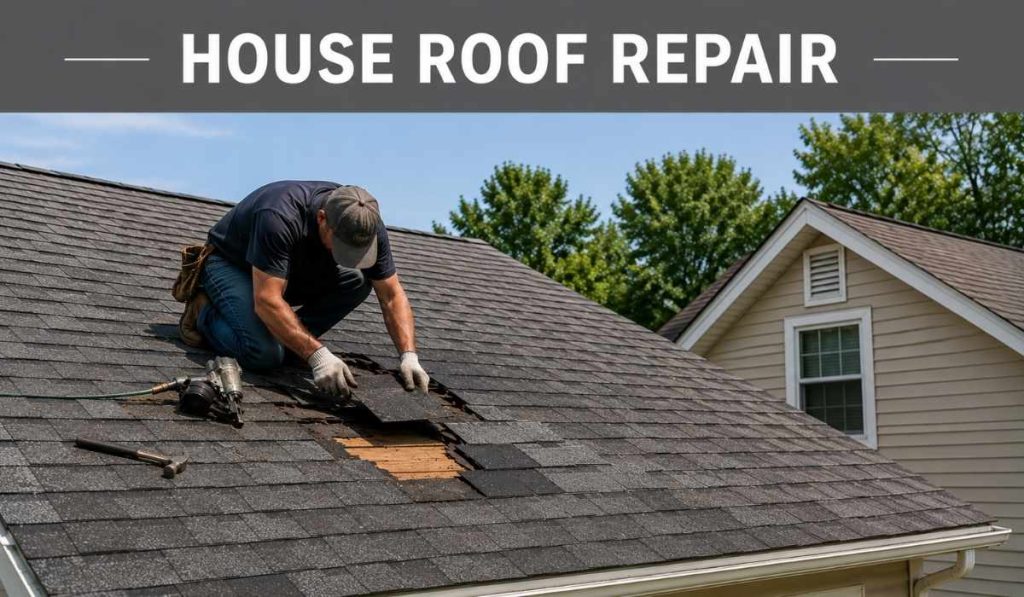
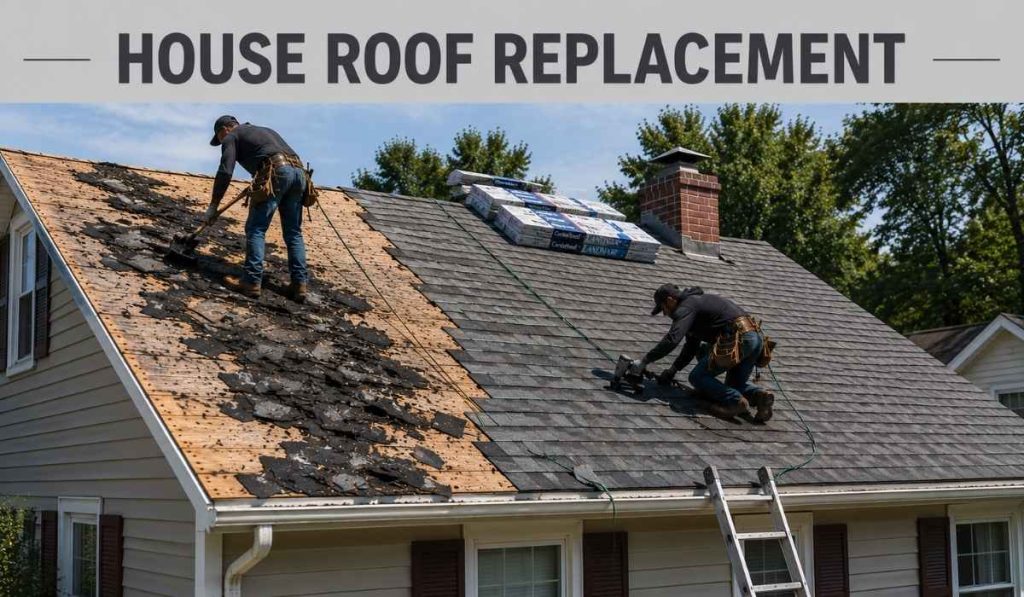
One of the most common questions homeowners have is whether a roof can be repaired or if a full replacement is the better option. The answer depends on several factors, including the roof’s age, the extent of the damage, and its overall condition.
In many cases, small problems can be repaired quickly. However, widespread damage or an aging roof may make replacement the more practical and cost-effective solution.
| Roof Repair | Roof Replacement |
|---|---|
| Best for minor damage | Best for extensive damage |
| Lower upfront cost | Higher upfront investment |
| Faster completion | Longer installation process |
| Extends roof life | Provides a completely new roofing system |
| Suitable for isolated leaks | Recommended for roofs nearing the end of their lifespan |
Roof Repair May Be the Right Choice If:
- Only a few shingles are damaged.
- A small leak has been identified.
- Flashing needs replacement.
- Storm damage is limited to one area.
- The roof is still relatively new.
Roof Replacement May Be Necessary If:
- The roof has multiple leaks.
- The roof deck has structural damage.
- Large sections of shingles are deteriorating.
- Repairs are becoming frequent.
- The roof has reached the end of its expected lifespan.
A professional roof inspection can determine which option offers the best long-term value.
How Long Does a House Roof Last?
The lifespan of a house roof depends on the roofing material, installation quality, weather conditions, and ongoing maintenance.
A well-maintained roof typically lasts much longer than one that receives little attention.
| Roofing Material | Average Lifespan |
|---|---|
| Asphalt Shingles | 20–30 years |
| Architectural Shingles | 25–30 years |
| Metal Roofing | 40–70 years |
| Wood Shakes | 20–40 years |
| Clay Tile | 50–100 years |
| Slate Roofing | 75–150+ years |
Keep in mind that these are average estimates. Factors such as severe weather, poor ventilation, improper installation, and neglected maintenance can shorten the lifespan of any roofing system.
What Affects the Lifespan of a House Roof?
Even roofs made from premium materials can wear out earlier than expected if they are not properly maintained.
Several factors influence how long a roof will last.
Weather Conditions
Heavy rain, snow, hail, strong winds, and prolonged sun exposure gradually wear down roofing materials. Homes in areas with frequent storms often require more regular inspections.
Installation Quality
A roof is only as good as its installation. Poor workmanship can lead to leaks, loose shingles, and ventilation problems much sooner than expected.
Choosing an experienced roofing contractor helps ensure your roof performs as designed.
Roof Ventilation
Proper attic ventilation helps regulate temperature and moisture.
Without adequate airflow, excessive heat and condensation can damage shingles, reduce insulation performance, and shorten the life of the roofing system.
Regular Maintenance
Routine maintenance is one of the easiest ways to protect your investment.
Simple tasks such as cleaning gutters, replacing damaged shingles, and inspecting flashing can significantly extend the life of your roof.
Tree Branches and Debris
Overhanging branches can scrape roofing materials during windy conditions or break off during storms.
Leaves and debris trapped on the roof also hold moisture, creating conditions that encourage mold, algae, and premature deterioration.
When Should You Call a Professional Roofing Contractor?
While homeowners can perform basic visual inspections, some roofing problems require professional evaluation.
Contact a roofing contractor if you notice:
- Water stains on ceilings or walls
- Active roof leaks
- Missing or damaged shingles
- Sagging roof sections
- Loose or damaged flashing
- Excessive moss or algae growth
- Gutters pulling away from the roof
- Storm damage
- Daylight visible through the attic
Ignoring these warning signs can allow minor issues to develop into expensive structural repairs.
A professional inspection provides a clear understanding of your roof’s condition and helps you plan repairs before damage worsens.
Common House Roof Mistakes Homeowners Should Avoid
Many roofing problems become more serious because small issues are ignored.
Avoid these common mistakes:
- Waiting until a leak appears before inspecting the roof.
- Walking on the roof without proper safety equipment.
- Ignoring loose or missing shingles.
- Skipping routine gutter cleaning.
- Covering damaged areas with temporary fixes instead of permanent repairs.
- Delaying inspections after severe storms.
- Hiring inexperienced contractors based only on the lowest price.
Preventive maintenance almost always costs less than major roof repairs.
Frequently Asked Questions
How often should a house roof be inspected?
Most homeowners should inspect their roof twice a year, typically in the spring and fall. It’s also a good idea to inspect the roof after severe storms or high winds.
How do I know if my house roof has a leak?
Common signs include water stains on ceilings, peeling paint, damp insulation, mold growth, dripping water during rain, or musty odors in the attic.
Can one missing shingle cause roof damage?
Yes. Even a single missing shingle can allow water to penetrate the roofing system, eventually damaging the underlayment and roof deck if not repaired promptly.
How can I make my house roof last longer?
Regular inspections, timely repairs, proper attic ventilation, clean gutters, and removing overhanging branches all help extend the lifespan of a roof.
Should I repair or replace my house roof?
Minor damage is often repairable, while older roofs with widespread deterioration may benefit more from replacement. A professional inspection is the best way to determine the right solution.
Does homeowner’s insurance cover roof damage?
Insurance coverage depends on the cause of the damage and your policy. Damage from storms or falling trees is often covered, while wear and tear from age or lack of maintenance is generally not.
The roof of your house is a crucial element in keeping your home safe from the elements, maintaining energy efficiency, and preserving the structural integrity of your property. Knowing how your roof works, spotting the early warning signs and doing routine maintenance can help you avoid expensive repairs and extend the life of your roof.
Final Thoughts
If you’re inspecting your roof after a storm, scheduling routine maintenance, or choosing between repair and replacement, the sooner the better. If you have your roof professionally inspected this is a great way to identify any signs of damage or have peace of mind about the condition of your roof. When you invest in good roof care, you are investing in the safety, security and long life of your home for years to come.
Need Help with Your Next Project? Call Royal Empire Builder Today!
Fast responses. Expert advice. Trusted service across NYC and beyond.