Flat roofs are common across Brooklyn, Queens, Manhattan, the Bronx, and Staten Island. They’re easy to access, cost-effective, and work well on NYC’s tight urban lots. But because they don’t shed water the way a sloped roof does, flat roof repair is something almost every owner deals with sooner or later.
This guide covers why flat roofs fail, the signs you need a repair, what the process looks like, and what it typically costs in NYC.
Signs You Need Flat Roof Repair
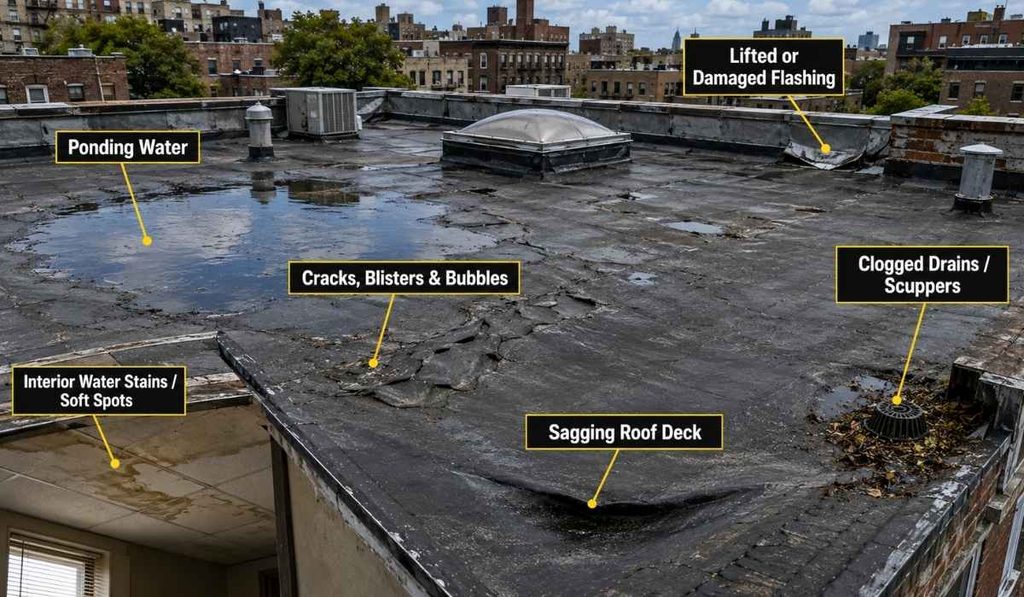
- Ponding water that stays on the roof more than 48 hours after rain
- Cracks, blisters, or bubbles in the roofing membrane
- Lifted or damaged flashing around vents, skylights, chimneys, and parapet walls
- Water stains or soft spots on interior ceilings
- Clogged drains or scuppers that overflow during storms
- Sagging sections of the roof deck
If you notice any of these, get a professional inspection before it turns into a bigger, costlier repair.
Why Flat Roofs Fail in NYC
Flat roofs face specific stress from NYC’s climate and dense building conditions.
Ponding Water and Poor Drainage
Clogged or undersized drains and scuppers trap water on the roof, which weakens the membrane over time.
UV Exposure and Thermal Cycling
Hot summers and freezing winters cause materials to expand, contract, and eventually crack or lose flexibility.
Flashing Failure
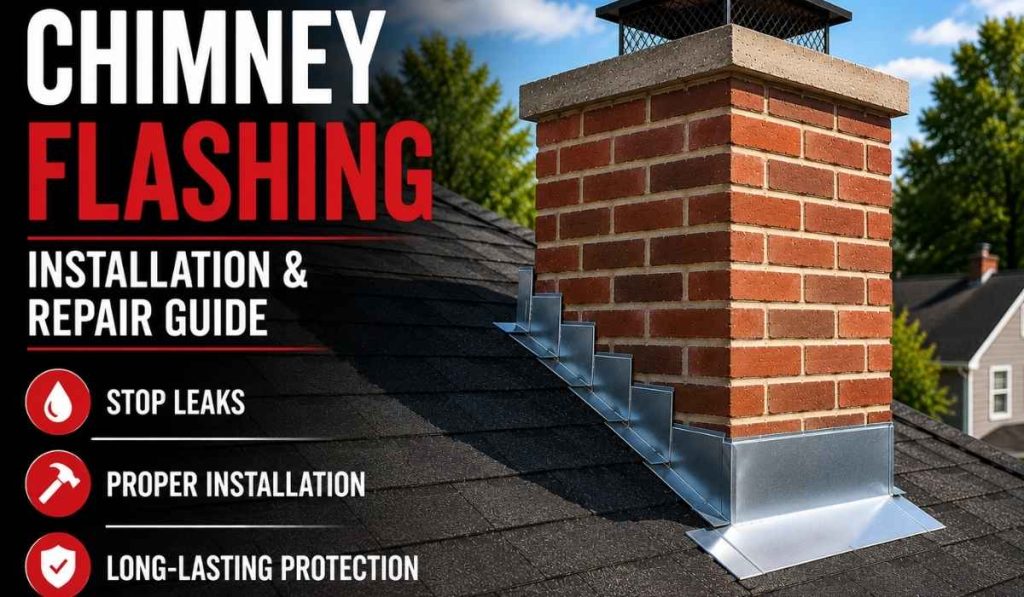
Flashing around pipes, HVAC units, and parapet walls is one of the most common leak points, since it separates from the membrane as it ages.
Seam Failure
On membranes like TPO, PVC, or modified bitumen, seams can lift or open after years of wear.
Foot Traffic and Punctures
Rooftop equipment, storage, and general use can puncture or wear down the membrane.
Age
Most flat roofing systems last 15–25 years depending on the material and how well they were maintained.
How Flat Roof Repair Works
- Inspection. A roofer checks the whole roof, flashing, seams, and drains to find the real source of the leak — not just where it shows up inside.
- Cleaning and prep. The damaged area is cleared of debris and dried before any repair material is applied.
- Patch or membrane repair. Small punctures and worn seams get patched. Larger damaged sections may need part of the membrane replaced.
- Flashing repair. Flashing is resealed or replaced where it’s lifted or cracked.
- Drainage fixes. Clogged drains and scuppers are cleared, and low spots that collect water may need to be built up.
Minor repairs are often finished in a day. Larger jobs involving membrane or structural repair can take a few days.
Flat Roof Repair vs. Replacement
Not every flat roof problem requires a full replacement. If the damage is limited to one area and the rest of the roofing system is still in good condition, a repair may be the more practical and cost-effective option. Replacement becomes more appropriate when the roof has widespread damage, is near the end of its useful life, or continues to develop leaks after repeated repairs.
When Flat Roof Repair Makes Sense
Repair is usually a good option when:
- The damage is limited to a small section of the membrane
- The rest of the roof is still flexible and in good condition
- A leak can be traced to a specific area, such as damaged flashing or an open seam
- The roof is not near the end of its expected lifespan
- There are no major problems with the roof deck or insulation
- Drainage problems can be corrected without replacing the entire roofing system
A localized repair can extend the life of a flat roof while avoiding the higher cost of a full replacement.
When Flat Roof Replacement May Be Better
Replacement may be the better choice when:
- The roof is nearing or past the end of its expected lifespan
- Damage covers a large portion of the membrane
- Leaks keep returning in different areas despite previous repairs
- The membrane has widespread cracking, blistering, splitting, or deterioration
- Water has damaged the insulation or roof deck underneath
- Ponding water continues because of underlying drainage or slope problems
- Repair costs are becoming frequent enough that replacement makes more financial sense
Replacing an aging or heavily damaged roof can provide a longer-term solution instead of continuing to pay for recurring repairs.
How to Decide Between Repair and Replacement
The condition of the entire roofing system matters more than the size of a single leak. A small leak can sometimes indicate a larger problem underneath the membrane, while visible surface damage may be repairable without replacing the entire roof.
A professional roofing inspection can determine the condition of the membrane, flashing, drainage system, insulation, and roof deck. From there, the roofer can recommend whether a localized repair, larger membrane repair, or full replacement is the most appropriate option.
Flat Roof Repair Cost in NYC
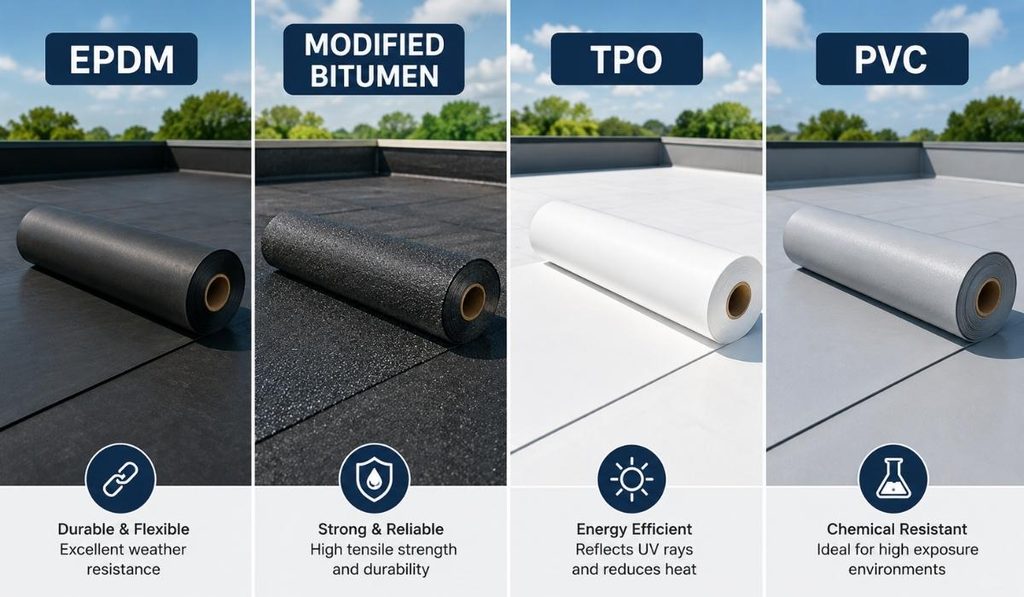
Flat roof repair costs in NYC depend on a few factors: the roofing material, the size of the damaged area, how easy the roof is to access, and whether the damage is limited to the surface or has reached the insulation or deck underneath. A small patch on a single leak is a very different job from resealing multiple seams across a large commercial roof, so pricing is best treated as a range rather than a flat number.
Material matters most. EPDM (rubber) is generally the most affordable to patch since it uses cold adhesive rather than heat-welding. TPO and PVC repairs cost more because they require specialized heat-welding equipment and trained labor. Modified bitumen falls in the middle, with cost depending on whether the repair uses torch-applied or cold-adhesive methods.
| Roofing Material | Typical Repair Cost Range | Notes |
|---|---|---|
| EPDM (rubber) | $150–$600 | Often lower cost; cold-adhesive patching typically does not require heat welding |
| Modified Bitumen | $200–$700 | Mid-range; three-course patching is commonly used, with pricing varying by access |
| TPO | $300–$900 | Requires heat-welding equipment and trained labor |
| PVC | $300–$1,000 | Similar to TPO; higher-end materials can increase repair costs |
How to Maintain a Flat Roof and Avoid Repairs
- Clear drains, scuppers, and gutters every few months
- Schedule a professional inspection at least once a year, ideally before winter
- Keep foot traffic limited to designated walk areas
- Address small cracks, blisters, or lifted flashing as soon as you spot them
- Trim nearby trees and clear debris after storms
Routine maintenance is almost always cheaper than emergency repair, and it protects everything underneath the roof.
Frequently Asked Questions
How long does flat roof repair take?
Minor repairs like patching a seam or small puncture usually take a few hours to a day. Larger repairs involving membrane replacement or drainage work can take several days.
Is flat roof repair cheaper than replacement?
Yes, for localized damage. But if your roof is old or has widespread wear, repeated repairs can end up costing more than a single replacement.
How often should a flat roof be inspected?
At least once a year, and ideally after major storms or before winter, when freeze-thaw damage is most likely.
Can I repair a flat roof myself?
Small temporary fixes are possible, but flat roofs involve working at height, matching materials correctly, and following NYC building codes. Most repairs are best left to a licensed roofing contractor.
What causes most flat roof leaks?
Flashing failure and ponding water are the two most common causes, followed by seam failure on aging membranes.
Need Flat Roof Repair in Brooklyn or NYC?
Royal Empire Builder NYC handles flat roof repair, EPDM roofing, and parapet roof work across all five boroughs. If you’re seeing signs of damage or just want a professional inspection, reach out for an estimate.
Need Help with Your Next Project? Call Royal Empire Builder Today!
Fast responses. Expert advice. Trusted service across NYC and beyond.