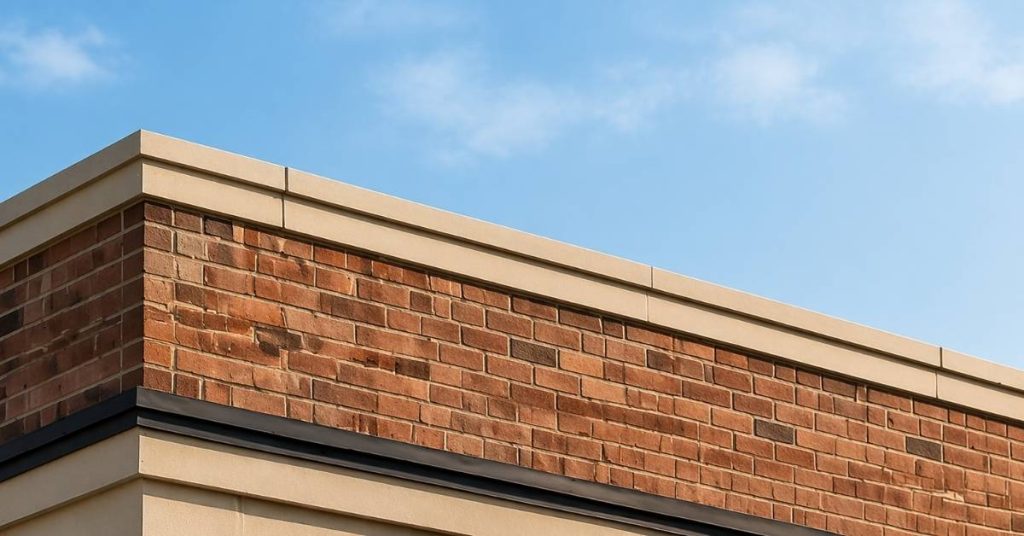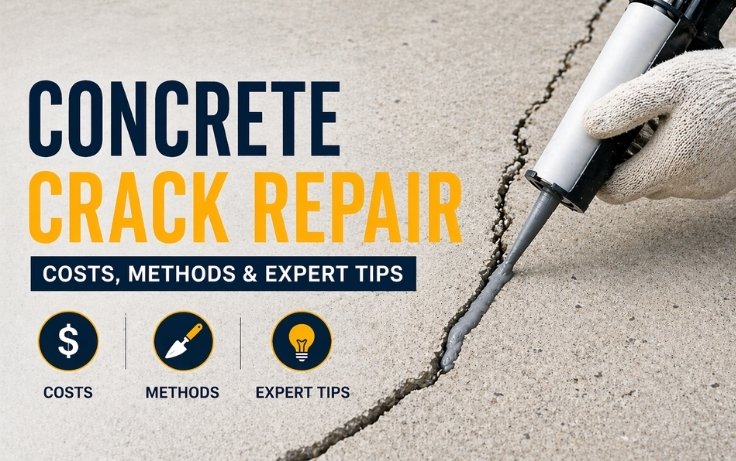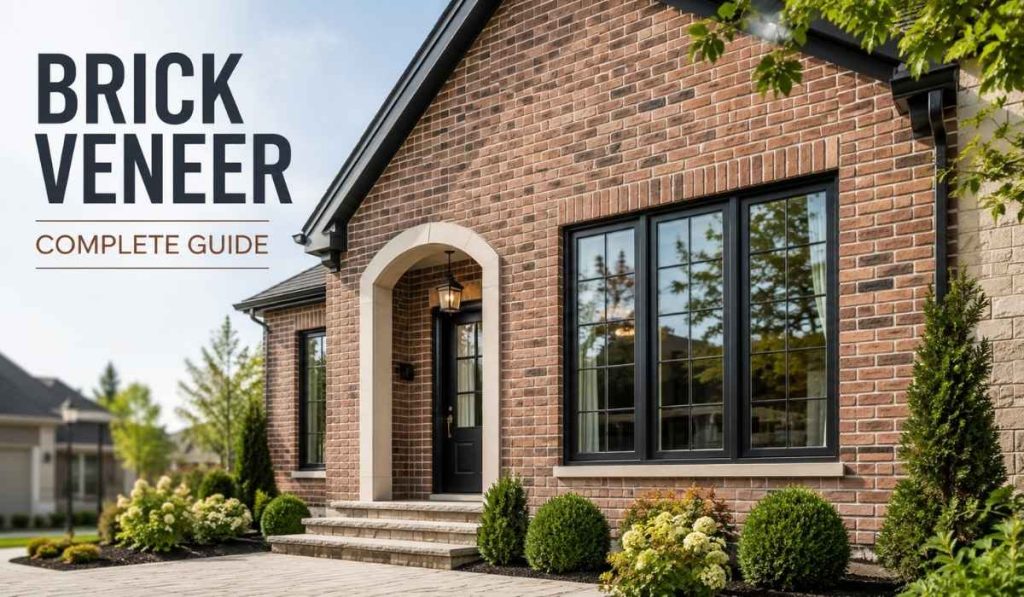
When brick mortar starts to crack, crumble, or pull away from the joints, tuckpointing can restore the damaged areas before they lead to bigger masonry problems. So, what is tuckpointing? It is the process of removing old, deteriorated mortar from between bricks and replacing it with fresh mortar, followed by a thin contrasting finish line for a clean, defined appearance.
Tuckpointing helps restore both the strength and appearance of a brick wall. Cracked mortar can allow water to enter the wall. During winter, trapped water freezes and expands, causing the mortar to crack further and potentially loosen surrounding bricks. Addressing the damage early can prevent a small repair from becoming a larger masonry problem.
Tuckpointing vs. repointing: Repointing replaces damaged mortar, while tuckpointing also adds a clean finish line that gives the joints a sharper and more uniform appearance.
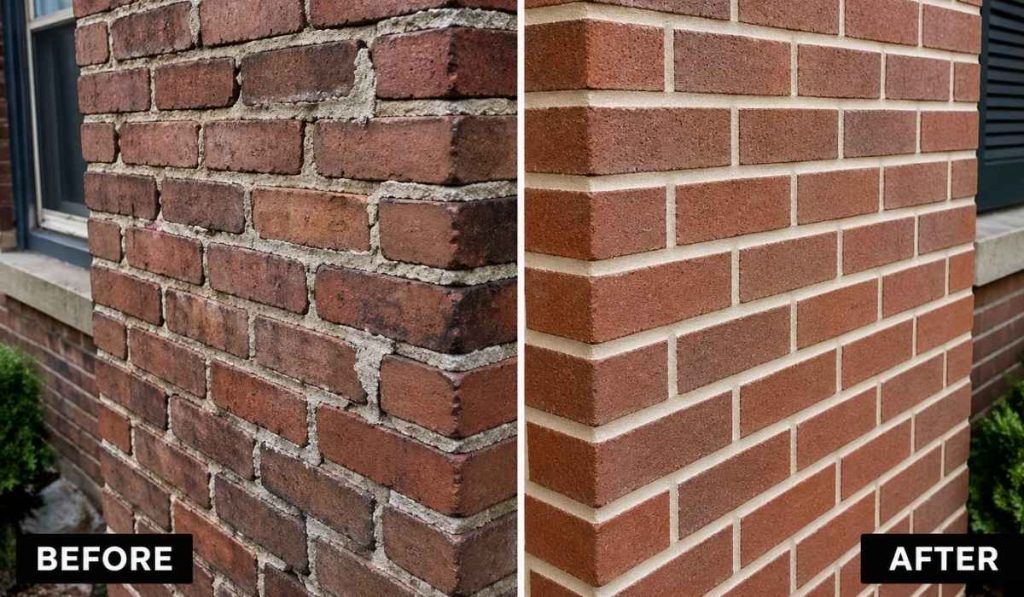
Signs You Need Tuckpointing
Damaged mortar joints do not always mean the entire brick wall needs repair. However, certain signs can indicate that the mortar is no longer protecting or supporting the masonry properly.
Deteriorated chimney joints: Cracked or missing mortar around a chimney can become worse because the area is exposed to rain, snow, and temperature changes.
Cracked mortar joints: Small or deep cracks can allow water to enter the wall and worsen over time.
Crumbling or missing mortar: Gaps between bricks leave the masonry more exposed to moisture and weather.
Loose or shifting bricks: Bricks that move or appear uneven may have deteriorated mortar joints underneath them.
Water stains or damp areas: Moisture showing on the inside of a wall can sometimes come from failing exterior mortar.
White deposits on brick: White powdery marks, known as efflorescence, can indicate moisture moving through the masonry.
Is Tuckpointing Necessary?
Tuckpointing is necessary when mortar joints have deteriorated enough to affect the protection or stability of the masonry. Replacing damaged mortar helps keep water from entering the wall and can reduce the risk of more extensive brick and masonry repairs.
Not every damaged area requires the same level of work. A few isolated joints may only need spot tuckpointing, while widespread deterioration may require repair across a larger section of the wall.
Tuckpointing becomes more important when:
- Mortar has deteriorated deep into the joints
- Water is getting through the masonry
- Bricks are becoming loose because of failing mortar
- Damage is spreading across multiple areas of the wall
- Chimney or foundation mortar is severely deteriorated
- Previous mortar repairs have failed or cracked
A professional masonry inspection can help determine whether the problem can be handled with a small repair or whether more extensive tuckpointing is needed.
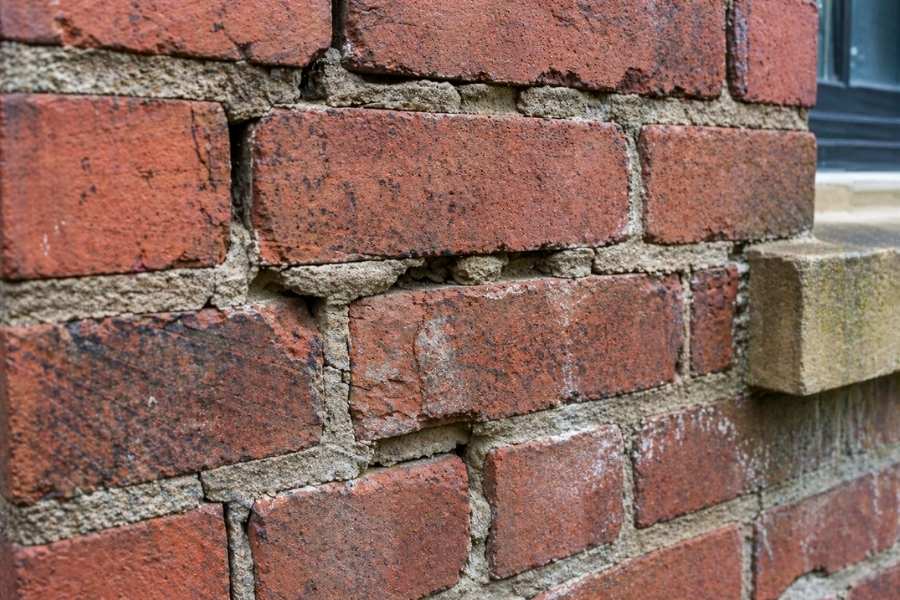
Foundation, Basement, Interior, and Exterior Tuckpointing
Foundation and basement brick can develop the same crumbling mortar problems, often because of groundwater rather than direct weather exposure. Interior tuckpointing is common in older buildings with exposed brick walls. Exterior tuckpointing is the most common application because outside walls face rain, freeze-thaw cycles, and sunlight throughout the year.
Foundation Tuckpointing
Foundation tuckpointing repairs deteriorated mortar joints in masonry foundations. Damaged joints can allow moisture to enter and may contribute to further masonry deterioration if left untreated.
Basement Tuckpointing
Basement walls can develop mortar deterioration because of moisture and groundwater. Repairing damaged joints helps reduce water entry and protects the surrounding masonry.
Interior Tuckpointing
Interior tuckpointing is mainly used on exposed brick walls inside older homes and buildings. It can restore damaged mortar while improving the appearance of the brickwork.
Exterior Tuckpointing
Exterior tuckpointing repairs mortar joints exposed to rain, snow, freezing temperatures, and sunlight. Regular inspection can help identify damaged joints before they become a larger masonry problem.
Why Older NYC Buildings Need Tuckpointing More Often
Many older NYC buildings were constructed using soft, lime-based mortar. Modern Portland cement mortar is much harder, and using it on older brick can trap moisture and contribute to brick cracking.
In many cases, the brick itself remains solid while the mortar deteriorates. New mortar should be compatible with the original masonry in strength, texture, and moisture movement. Ask your contractor what mortar mix they plan to use before work begins.
Tuckpointing vs. Repointing vs. Pointing
Pointing
Pointing refers to filling and finishing mortar joints in masonry construction. The exact use of the term can vary depending on the masonry context.
Repointing
Repointing involves removing damaged or deteriorated mortar from existing joints and replacing it with new mortar that is compatible with the surrounding masonry.
Tuckpointing
Tuckpointing is a specialized masonry finishing technique that uses contrasting materials to create the appearance of clean, narrow, uniform mortar joints. The terminology can vary, and some contractors use “tuckpointing” and “repointing” interchangeably.
Tuckpointing vs. Repointing: What’s the Difference?
| Feature | Tuckpointing | Repointing |
|---|---|---|
| Removes damaged mortar | Yes | Yes |
| Replaces damaged mortar | Yes | Yes |
| Decorative contrasting finish | Typically yes | No |
| Main purpose | Mortar repair + defined appearance | Mortar repair |
| Used on existing masonry | Yes | Yes |
How Long Does Tuckpointing Last?
Properly completed tuckpointing can last 20 to 30 years or longer. Its lifespan depends on the local climate, mortar quality, workmanship, drainage, and exposure to moisture.
Chimneys and highly exposed exterior walls may require maintenance sooner because they experience more weather exposure.
DIY vs. Professional Tuckpointing
Small cosmetic patching may seem manageable, but proper mortar restoration requires the right materials, tools, and technique. Common DIY mistakes include using the wrong mortar mix, damaging bricks with improper tools, choosing an incorrect mortar color, and creating uneven finish lines.
For visible exterior walls, chimneys, foundations, or large areas of deteriorated mortar, professional tuckpointing can help protect the surrounding masonry and provide a more consistent finish.
Tuckpointing Cost in NYC
Tuckpointing costs vary based on the size of the repair, wall condition, accessibility, scaffolding requirements, and mortar matching.
| Project Type | Estimated Cost |
|---|---|
| Small patch repair | $500–$1,500 |
| Medium wall repair | $1,500–$5,000 |
| Full exterior wall | $5,000–$20,000+ |
| Chimney repair | $500–$3,000+ |
| Historic or specialty mortar matching | Custom quote |
Per square foot, tuckpointing may cost around $8–$25, depending on the project’s difficulty and location.
What Affects Tuckpointing Cost?
Several factors can change the final price:
- Wall height and scaffolding requirements
- Difficult-to-reach areas
- Historic mortar color and texture matching
- Damaged brick replacement
- Size and depth of deteriorated mortar
- Local labor rates
- Required masonry repairs beyond tuckpointing
Labor can make up a large portion of the total cost because damaged mortar must be removed carefully without damaging surrounding brick.
Choosing a Tuckpointing Contractor

Look for a contractor with experience in masonry restoration, proper licensing and insurance, positive reviews, and examples of completed tuckpointing projects.
For NYC properties, ask whether the contractor understands applicable NYC Department of Buildings requirements and Local Law 11 when the project involves larger buildings or exterior façade work.
Questions to Ask Before Hiring
- Is scaffolding included in the estimate?
- Are damaged or replacement bricks charged separately?
- Will the new mortar match the existing masonry?
- Is cleanup included?
- Is there a workmanship warranty?
- How will the existing brick be protected during mortar removal?
Final Thoughts
Now that you understand what is tuckpointing, it’s easy to see why this repair matters so much for brick homes and buildings. Replacing damaged mortar protects the wall, improves its appearance, and helps prevent larger structural repairs down the road.
Whether you need chimney repair, wall restoration, or full tuckpointing masonry work, acting early almost always keeps costs lower and damage smaller. If you’re noticing cracks, loose bricks, or leaks, it’s worth scheduling a professional inspection soon — Royal Empire Builder can assess your property and walk you through what your brickwork actually needs.
Frequently Asked Questions About Tuckpointing
Does Tuckpointing Need a Permit in NYC?
Minor tuckpointing repairs usually do not require a permit. However, larger masonry or facade projects may require NYC Department of Buildings filings, especially when the work involves Local Law 11 requirements or other facade safety issues. Check with your contractor before work begins.
How Long Does a Tuckpointing Job Actually Take?
A small tuckpointing patch may be completed in one day. A full exterior wall can take one to two weeks, including scaffolding setup, mortar removal, repairs, and finishing. Wall size, access, weather, and the condition of the masonry can affect the timeline.
Can Tuckpointing Be Done in Cold Weather?
Tuckpointing can be more difficult in cold weather because mortar needs suitable temperatures to cure properly. Many contractors avoid working below 40°F unless they use approved cold-weather methods, such as admixtures or heated enclosures. NYC projects from late fall through early spring may experience weather-related delays.
What Does Bad Tuckpointing Look Like?
Bad tuckpointing may show up as uneven mortar joints, mismatched mortar color, cracking shortly after the repair, or mortar that is too hard for the surrounding brick.
Using modern cement-based mortar on older buildings can also cause problems when the original brick was built with softer, lime-based mortar.
Does Tuckpointing Increase Home Value?
Tuckpointing is primarily a maintenance and masonry preservation project rather than a renovation that directly adds value. However, repairing deteriorated mortar can help protect the condition of the property and prevent more expensive masonry damage.
Visible mortar deterioration may also become an issue during a home inspection, particularly when it affects exterior walls, chimneys, or other structural masonry.
Can I Tuckpoint Just One Section of a Wall?
Yes. Spot tuckpointing can be used when mortar damage is limited to a small, isolated section of a wall.
If mortar deterioration is widespread, repairing only the most damaged areas may provide a temporary solution. A contractor should inspect the surrounding joints to determine whether a larger section needs repointing or tuckpointing.
Does Home Insurance Cover Tuckpointing?
Home insurance usually does not cover tuckpointing when the mortar deterioration results from normal aging, gradual wear, or lack of maintenance.
Coverage may be different if masonry damage results from a covered event, such as certain types of storm damage. Review your policy and contact your insurance provider before assuming the repair is covered.
Need Help with Your Next Project? Call Royal Empire Builder Today!
Fast responses. Expert advice. Trusted service across NYC and beyond.