A good foundation keeps your entire house steady and secure. Over time, slab foundations can develop cracks, settle unevenly, or shift due to changes in the soil beneath the home. When these issues begin affecting floors, walls, doors, and windows, slab foundation repair may be needed to restore stability and prevent further damage.
Most homeowners ignore the early warning signs because the damage often appears minor at first. A small crack in the floor or a sticking door might not seem like a serious problem, but these issues can become worse over time and lead to more expensive repairs.
Understanding what causes slab foundation problems and recognizing the signs early can help protect your home from costly structural damage and avoid larger repairs in the future.
What Is a Slab Foundation and Why Does It Matter?
A slab foundation is a thick concrete base that is poured directly onto the ground. It supports the weight of the home and provides a stable surface for walls, flooring, and other structural components.
Many homes are built on a concrete slab foundation because it is durable, cost-effective, and requires less maintenance than some other foundation types.
When the slab develops cracks or begins to settle unevenly, the entire home can be affected. Floors may become uneven, walls can crack, and doors or windows may stop working properly. This is why addressing foundation issues early and considering slab foundation repair when necessary is so important.
How Can You Tell If Your Slab Foundation Needs Repair?
Foundation problems often develop slowly. Learning to recognize the warning signs can help prevent more serious damage.
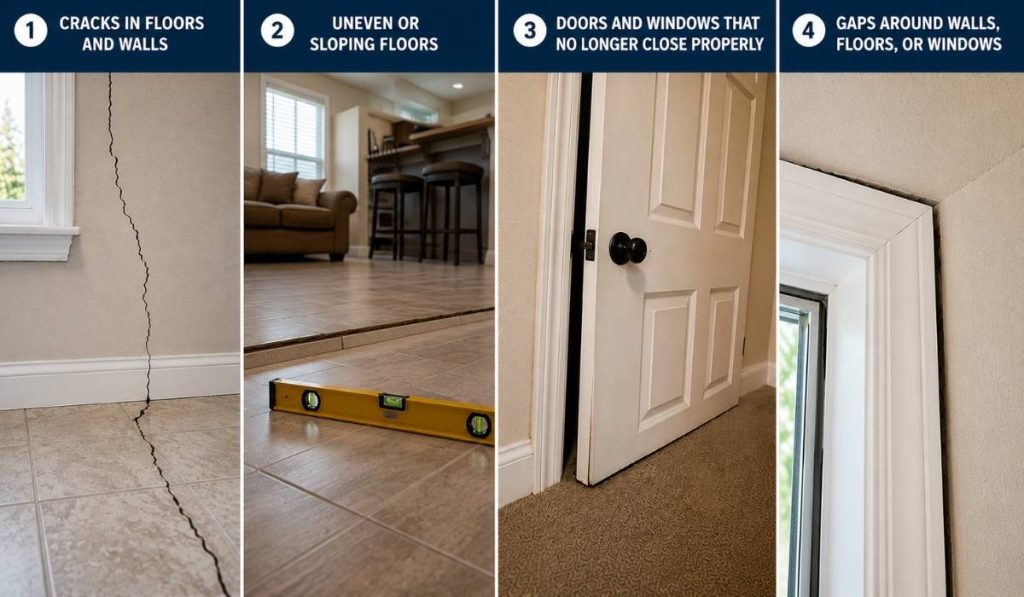
Cracks in Floors and Walls
One of the most common signs that slab foundation repair may be needed is the appearance of cracks throughout the home. These cracks can develop in tile floors, concrete surfaces, drywall, or interior walls as the foundation begins to shift or settle.
While small hairline cracks can occur naturally, widening cracks may indicate foundation movement beneath the home.
Uneven or Sloping Floors
If parts of your floor feel lower than others, your foundation may be settling unevenly. Sloping floors can make furniture unstable and may indicate that the slab is no longer providing even support.
Doors and Windows That No Longer Close Properly
A shifting foundation can change the shape of door and window openings.
As the structure moves, doors may stick, windows may become difficult to open, and gaps may appear around frames.
Gaps Around Walls, Floors, or Windows
Visible gaps where walls meet ceilings or floors often indicate movement beneath the structure.
These gaps may continue to grow if the underlying foundation problem is not addressed.
Why Do Slab Foundation Problems Happen?
Understanding these causes can help homeowners determine when slab foundation repair may be needed. Several factors can cause a concrete slab foundation to crack, settle, or shift over time.
Soil Expansion and Shrinkage
Soil expands when it absorbs water and shrinks when it dries out.
This repeated cycle creates pressure beneath the foundation and can lead to foundation settlement or movement.
Poor Drainage Around the Home
Water that collects around the foundation can weaken the supporting soil.
Poor drainage often causes some areas beneath the slab to become unstable, leading to uneven settlement.
Plumbing Leaks Beneath the Slab
Underground plumbing leaks can slowly wash away soil beneath the foundation.
As support is lost, portions of the slab may begin to sink or crack.
Tree Roots Affecting Soil Stability
Large trees located close to a home can absorb significant amounts of moisture from the soil.
As the soil dries and shrinks, foundation movement may occur.
Can Small Foundation Cracks Turn Into Bigger Problems?
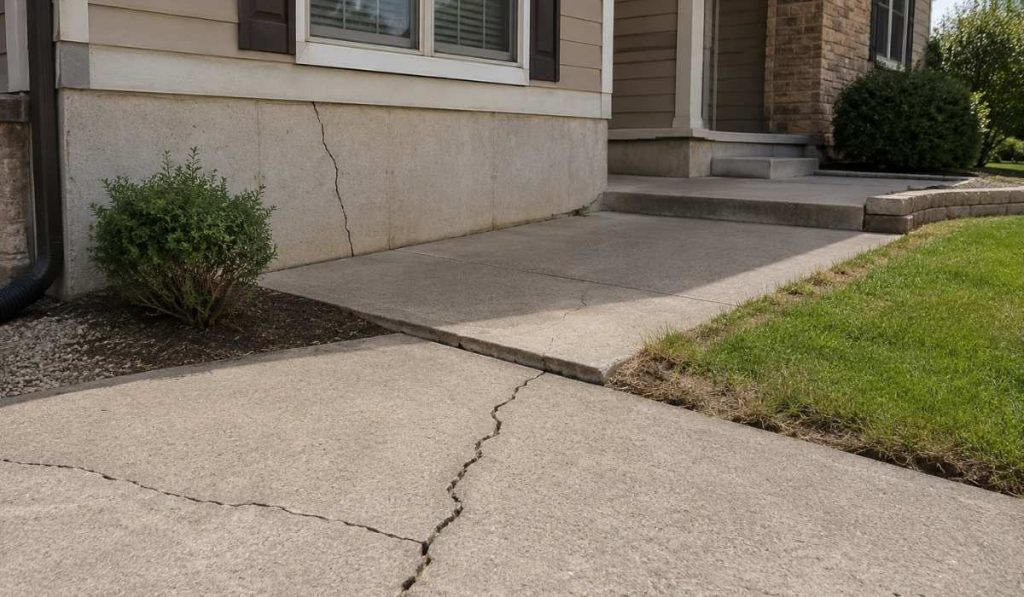
Yes. Small cracks often become larger when the underlying cause remains untreated. A crack may begin as a minor cosmetic issue but can eventually allow moisture intrusion and indicate ongoing movement beneath the slab.
As foundation settlement continues, cracks may widen and spread to additional areas of the home. Addressing foundation concerns early through professional slab foundation repair can often reduce repair costs and prevent further structural damage.
How Professionals Find the Cause of Slab Foundation Damage
Before recommending repairs, professionals perform a detailed inspection to identify the source of the problem.
Foundation Inspection
The inspection begins with a visual evaluation of the home’s interior and exterior. Experts look for cracks, settlement patterns, and signs of structural movement.
Checking Floor Elevations
Special tools are used to measure floor elevations throughout the home.
These measurements help determine where the slab has settled or shifted.
Looking for Water and Drainage Issues
Inspectors evaluate drainage conditions, grading, gutters, and potential plumbing leaks.
Finding the root cause is an important step in creating an effective repair plan.
What Are the Most Effective Slab Foundation Repair Methods?
Different repair methods are used depending on the severity and cause of the problem.
Slab Jacking for Sunken Concrete
Slab jacking lifts sections of concrete that have settled.
A material is injected beneath the slab to fill empty spaces and raise the concrete back toward its original position.
Polyurethane Foam Injection
This repair method uses expanding foam to stabilize and lift sunken areas.
The foam fills voids beneath the slab while adding support to weakened soil.
Steel Piers for Long-Term Support
Steel piers are installed deep into stable soil below the foundation.
These piers transfer the weight of the home away from unstable ground and help prevent future settlement.
Helical Piers for Unstable Soil
Helical piers are screw-like supports that are driven into the ground.
They provide reliable support in areas with challenging soil conditions and are often used for long-term foundation stabilization.
Signs of Foundation Damage
Foundation problems rarely happen overnight. In many cases, homeowners start noticing small changes around the house before the damage becomes serious. Paying attention to these warning signs can help you address problems early and avoid more costly repairs later.
Some common signs include:
- Cracks in walls, ceilings, or floors
- Uneven or sloping floors
- Doors and windows that stick
- Gaps around window frames or trim
Not every crack means there is a major problem, but if several signs appear at the same time, it may be a good idea to schedule a professional inspection.
Causes of Foundation Problems
A slab foundation depends on stable soil to support the weight of the home. When conditions beneath the foundation change, the concrete can shift, settle, or crack.
Several factors can contribute to foundation damage:
- Soil expanding and shrinking due to moisture changes
- Poor drainage around the property
- Plumbing leaks beneath the slab
- Tree roots affecting soil moisture levels
Understanding what caused the problem is just as important as repairing the damage itself. Without addressing the underlying issue, the same problem may return in the future.
Benefits of Early Repair
Many homeowners delay foundation repairs because the damage appears minor. However, small issues often become larger and more expensive if left untreated.
Repairing foundation problems early can:
- Help prevent further movement
- Reduce the risk of structural damage
- Protect floors, walls, and doors
- Lower long-term repair costs
Taking action early also provides peace of mind, knowing that the home remains safe and stable.
Comparison of Repair Methods
Different repair methods are used depending on the condition of the foundation and the cause of the damage. There is no single solution that works for every home.
For example, slab jacking is often used when part of the foundation has settled and needs to be lifted. Polyurethane foam injection works in a similar way but uses lightweight expanding foam.
For more serious settlement issues, contractors may recommend steel piers or helical piers. These systems transfer the weight of the home to deeper, more stable soil layers.
A professional evaluation can help determine which repair method is most appropriate for your situation.
Cost Factors
The cost of slab foundation repair can vary from one home to another. Minor repairs typically cost less than projects that require extensive stabilization or lifting.
Several factors influence the overall cost:
- Severity of the damage
- Size of the affected area
- Repair method being used
- Soil conditions around the home
- Accessibility of the work area
Because every foundation problem is different, an inspection is usually needed to provide an accurate estimate.
Prevention Tips
While not all foundation problems can be prevented, proper maintenance can reduce the risk of future damage.
Homeowners can help protect their foundation by:
- Keeping gutters and downspouts clear
- Directing water away from the foundation
- Repairing plumbing leaks promptly
- Maintaining consistent moisture levels around the home
Regular monitoring and maintenance can help identify small issues before they develop into larger structural concerns.
Frequently Asked Questions
How serious are slab foundation cracks?
Some small cracks are normal and may not require major repairs. However, large, widening, or uneven cracks can indicate foundation movement and should be inspected by a professional.
Can a sinking slab foundation be repaired?
Yes. Many settling foundations can be stabilized and lifted using methods such as slab jacking, polyurethane foam injection, or pier systems.
How long does slab foundation repair take?
The timeline depends on the type of repair and the extent of the damage. Some projects can be completed in a day, while larger repairs may take several days.
What causes a slab foundation to settle?
Foundation settlement is often caused by soil movement, drainage issues, plumbing leaks, or changes in moisture levels beneath the home.
Is foundation repair worth the investment?
In most cases, yes. Repairing foundation problems early can help protect the structure of the home and prevent more expensive repairs in the future.
conclution:
Foundation problems rarely improve on their own. Cracks, uneven floors, and settling concrete are often signs that the issue is becoming more serious.
Investing in slab foundation repair at the right time can help protect your home’s structure, prevent further damage, and save money on future repairs.
Need Help with Your Next Project? Call Royal Empire Builder Today!
Fast responses. Expert advice. Trusted service across NYC and beyond.